A backflow preventer plays a critical role in protecting a home’s water supply. It is designed to keep contaminated water from flowing backward into clean water lines. When functioning properly, it works quietly in the background. When it begins to fail, however, the risks can extend beyond simple plumbing concerns.Because a backflow preventer is not something most homeowners regularly inspect, early warning signs can be easy to miss. Understanding these indicators helps ensure that potential issues are addressed before they affect water quality or system performance.
What A Backflow Preventer Does And Why It Matters
A backflow preventer is installed within a plumbing system to maintain the correct direction of water flow. It prevents contaminated or used water from reversing into the main supply.
It protects drinking water from pollutants, chemicals, and debris
It maintains pressure balance within the plumbing system
It supports the safe operation of irrigation systems and outdoor water connections
It helps ensure compliance with local water safety standards
Because this device is tied directly to water quality, its performance is essential. Even small issues can lead to larger concerns if not addressed promptly.
Early Signs Of A Malfunctioning Backflow Preventer
When a backflow preventer begins to fail, it often shows subtle signs before more noticeable problems develop. Recognizing these early indicators is key to preventing further complications.
Unusual changes in water pressure, including sudden drops or fluctuations
Discolored water that may appear cloudy or contain visible particles
Strange tastes or odors coming from taps
Water leaking from the backflow device or surrounding connections
These signs may seem minor at first, but they often indicate that the system is not functioning as intended. Addressing them early can help prevent more significant issues.In some cases, these symptoms may overlap with other plumbing concerns. Understanding the difference is part of a broader awareness of system health, as discussed in this guide onhidden water leak signs.
More Advanced Warning Signs To Watch For
As problems with a backflow preventer progress, symptoms can become more pronounced. These signs often indicate that the device requires immediate attention.
Continuous dripping or pooling water around the unit
Unusual noises such as humming or vibrating sounds
Visible corrosion or wear on the device
Water flow inconsistencies when using multiple fixtures
At this stage, the issue may no longer be isolated to the backflow preventer alone. It can begin to affect the overall performance of the plumbing system.Because these signs develop over time, they may not always be recognized immediately. Regular observation and awareness help identify when conditions are changing.
What Causes Backflow Preventers To Fail
Understanding why a backflow preventer malfunctions can help explain how these issues develop. Several factors can contribute to reduced performance or failure.
Natural wear and tear from continuous use over time
Debris or sediment buildup that interferes with internal components
Pressure changes within the plumbing system
Improper installation or lack of routine maintenance
These causes are often interconnected. For example, pressure imbalances can accelerate wear, while debris buildup can affect how the device responds to changing conditions.Routine maintenance plays a significant role in preventing these issues. A structured approach to system care, as outlined in this resource onroutine plumbing maintenance, helps identify concerns before they escalate.
Why Professional Inspection Is Essential
A backflow preventer is a specialized component that requires careful evaluation. Identifying whether it is functioning correctly involves more than a visual check. It requires an understanding of pressure dynamics, internal mechanisms, and system integration.Professionals approach inspections with a detailed process. They test the device, assess its condition, and determine whether adjustments or repairs are needed. This level of precision ensures that the device continues to protect the water supply effectively.In addition, professional inspections help uncover related issues within the plumbing system. Because the backflow preventer is connected to multiple components, its performance can be influenced by broader system conditions.Addressing these factors together provides a more complete solution and supports long-term reliability.
When Small Changes Signal Larger Issues
A slight change in water pressure or a minor leak may not seem urgent. However, these signs often indicate underlying problems that can affect the safety of the water supply.Recognizing these early signals allows for timely action and more controlled outcomes.
Protect The Flow That Protects Your Home
When a backflow preventer shows signs of malfunction, a careful and informed response is essential. ContactTweedy Plumbing and Restoration for professional support in maintaining your plumbing system and protecting your water supply.
Find the information in this post useful? Share it:
Drain blockages are one of the most common plumbing issues in both homes and commercial buildings. When water slows or backs up, it often signals that debris has accumulated somewhere within the plumbing system. Over time, grease, soap residue, mineral deposits, and other materials cling to the inside of pipes and gradually restrict water flow.Professional plumbers use several techniques to address these issues. Two of the most widely used methods are traditional drain cleaning and hydro jetting. While both approaches aim to restore proper drainage, they work in very different ways and deliver different levels of effectiveness. Understanding these differences helps property owners make informed decisions when persistent drain problems arise.
Understanding Traditional Drain Cleaning Methods
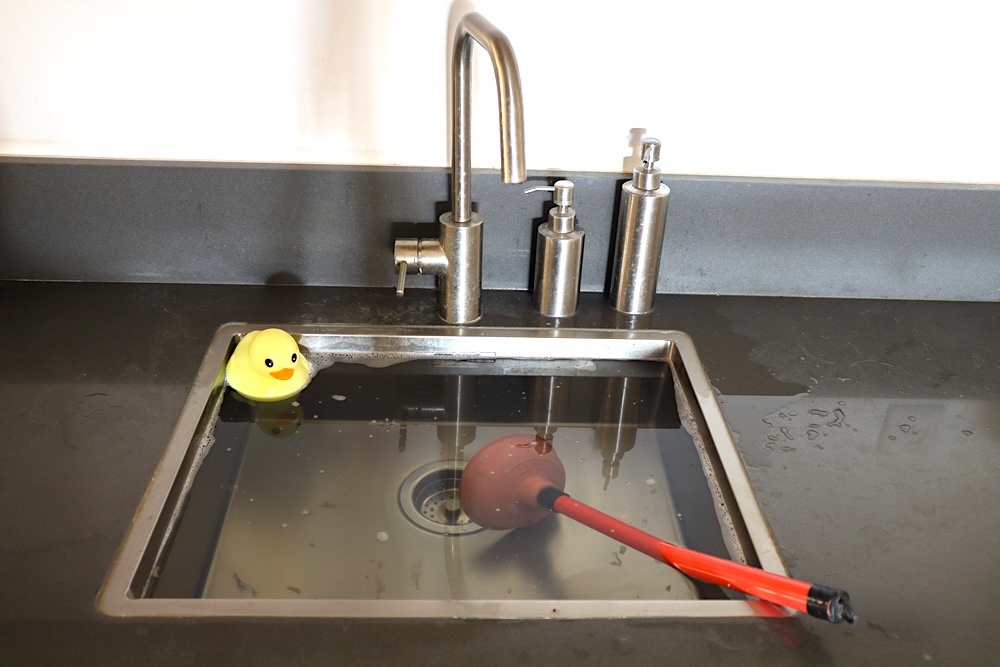
Traditional drain cleaning refers to mechanical techniques that remove blockages from pipes. These methods have been used for decades and remain useful for certain types of clogs.Professional plumbers often rely on tools such as drain augers or plumbing snakes to break apart obstructions and restore water flow.Common characteristics of traditional drain cleaning include:
A rotating cable or auger inserted into the pipe to break through clogs
Mechanical force used to push or pull debris away from the blockage
Effective removal of localized obstructions such as hair, food debris, or paper buildup
Quick relief for minor clogs that have formed near the drain opening
Limited cleaning of pipe walls beyond the immediate blockage area
While these methods can reopen a blocked pipe, they typically focus on the main obstruction rather than cleaning the entire interior surface of the pipe. Residue may remain along the pipe walls, which can allow buildup to return over time.Traditional cleaning tools still play an important role in plumbing maintenance, especially when plumbers need to remove isolated blockages before performing deeper system evaluations.
How Hydro Jetting Works Inside Plumbing Systems
Hydro jetting represents a more advanced approach to drain cleaning. Instead of using mechanical cables, this method relies on high-pressure water streams to clear debris from pipes.Specialized equipment sends water through a hose and nozzle at extremely high pressure. The force of the water breaks apart the buildup and flushes debris completely out of the pipe system.Hydro jetting is capable of addressing a wide variety of drainage problems, including:
Thick grease accumulation along the kitchen drain lines
Hardened mineral deposits inside older plumbing systems
Organic sludge and residue that form over time
Tree root intrusion in underground sewer lines
Sediment and debris that collect deep within pipes
Unlike traditional methods that focus on a single obstruction, hydro jetting cleans the entire interior surface of the pipe. The high-pressure water scours pipe walls and removes materials that would otherwise remain behind.Professional plumbers often rely on this method when repeated clogs indicate deeper buildup inside the plumbing system. The process not only restores flow but also helps prevent future blockages by removing layers of residue.More detailed explanations of the process appear in discussions abouthydro jetting drain flow, which describe how pressurized water clears debris throughout the entire pipe system.
Comparing Effectiveness Between The Two Methods
Although both methods serve the purpose of clearing drains, their effectiveness can vary depending on the condition of the plumbing system and the type of blockage present.Traditional drain cleaning is typically used when the goal is to reopen a blocked pipe quickly. Hydro jetting, on the other hand, is often chosen when deeper cleaning is required.Important differences between the two approaches include:
Traditional cleaning removes a specific clog, while hydro jetting cleans the entire pipe interior
Mechanical augers may leave residue behind, while hydro jetting washes debris completely away
Hydro jetting can remove grease, sludge, and mineral buildup that traditional tools may not fully eliminate
Traditional methods may be sufficient for minor clogs, while hydro jetting addresses recurring blockages
Hydro jetting often provides longer-lasting results because buildup is removed more thoroughly
These differences explain why plumbers often recommend hydro jetting when clogs appear repeatedly in the same drain line. Persistent slow drainage may indicate layers of buildup that require more comprehensive cleaning.Early warning signs, such as recurring slow drainage, should not be ignored. Discussions aboutslow drain pro attention explain why ongoing drainage problems often require professional evaluation rather than temporary solutions.
Situations Where Hydro Jetting Is Often Recommended
While hydro jetting can be extremely effective, it is not always the first step in every plumbing service. Professional plumbers usually evaluate the condition of the pipes before deciding which method is appropriate.Camera inspections are often performed beforehand to ensure the pipes can safely withstand the water pressure used during hydro jetting.Hydro jetting may be recommended in situations such as:
Recurring clogs that return after traditional drain cleaning
Heavy grease buildup inside kitchen drain lines
Tree root intrusion in sewer systems
Severe sludge accumulation in older plumbing lines
Persistent odors caused by organic residue trapped in pipes
These conditions often indicate that debris has built up along large portions of the pipe interior. In these cases, simply breaking through the clog may not provide long-term relief.By cleaning the entire pipe system, hydro jetting restores full flow capacity and reduces the likelihood of future blockages.
The Importance Of Professional Evaluation Before Drain Cleaning
Choosing between hydro jetting and traditional drain cleaning requires an accurate understanding of what is happening inside the pipes. Without proper inspection, it can be difficult to determine the true cause of a clog.Professional plumbers rely on specialized diagnostic tools to evaluate the condition of plumbing systems before recommending a solution. Video camera inspections help identify issues such as collapsed pipes, root intrusion, heavy grease buildup, or structural damage.This information allows technicians to select the safest and most effective cleaning method. In some cases, traditional mechanical cleaning may be the most appropriate option. In others, hydro jetting may provide the most thorough and lasting results.Attempting to resolve persistent drainage issues without professional evaluation can lead to incomplete repairs and recurring problems. Accurate diagnosis ensures that the underlying cause of the blockage is properly addressed.
Restore Strong Drain Flow With Expert Help
Drain problems rarely improve without the right solution. Whether the issue involves stubborn buildup, recurring clogs, or slow drainage, professional evaluation can determine whether hydro jetting or traditional cleaning will deliver the best results.For expert assistance with professional drain services and advanced plumbing diagnostics, contactTweedy Plumbing and Restoration to restore proper flow and maintain a reliable plumbing system.
Find the information in this post useful? Share it:
Clean, well-functioning drains are one of the most important parts of a healthy plumbing system. When drains operate smoothly, water flows efficiently, appliances work properly, and the risk of damage within pipes remains low. However, drains often accumulate debris slowly over time, which can lead to stubborn clogs, unpleasant odors, and even structural plumbing issues.From kitchen sinks to bathroom drains and main sewer lines, every drainage system benefits from consistent attention. Professional plumbers understand that the goal is not only to clear existing clogs but also to prevent buildup before it becomes a larger issue. A thoughtful approach to drain cleaning keeps plumbing systems functioning reliably and helps homeowners avoid sudden disruptions.
Understanding What Causes Drain Blockages
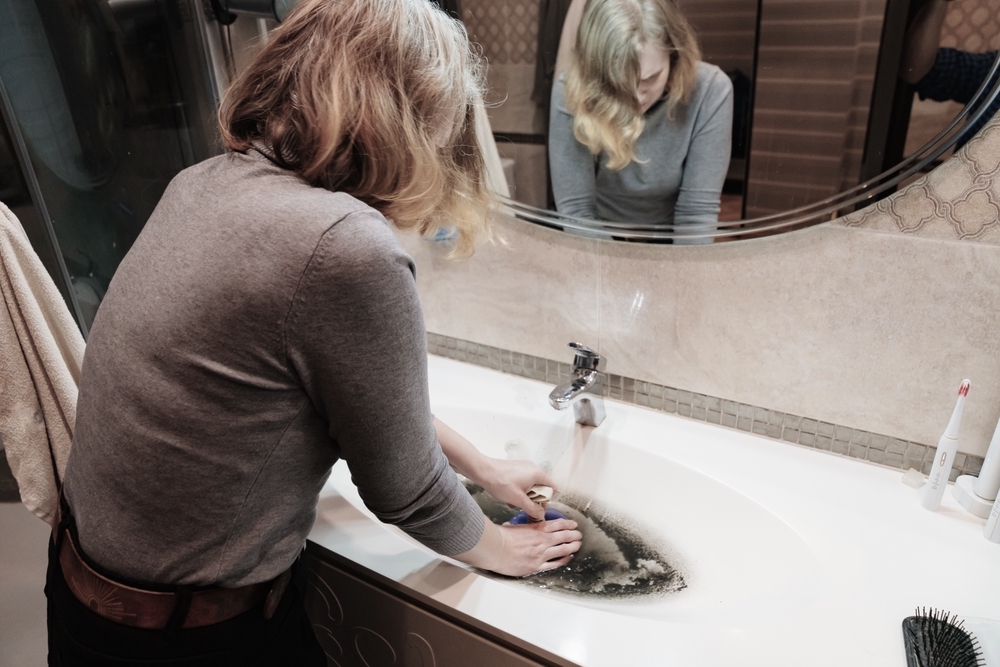
Most drain problems do not occur overnight. Blockages usually develop gradually as everyday materials accumulate inside pipes. Over time, these materials restrict water flow and create ideal conditions for recurring clogs.Common sources of drain buildup include:
Grease, oils, and food particles that accumulate inside kitchen drains
Hair and soap residue that collect in bathroom sink and shower pipes
Mineral deposits that form inside older plumbing systems
Paper products or debris that should never enter toilet drains
Sediment and debris that settle in outdoor or main drainage lines
Each of these materials behaves differently inside pipes. Grease, for example, cools and solidifies as it moves through plumbing lines. Hair can bind with soap residue and form dense clogs that resist water flow. Mineral buildup may narrow pipes gradually until drainage slows noticeably.Understanding these causes is essential when developing an effective drain cleaning routine. Without addressing the source of buildup, clogs often return even after temporary clearing.
Why Regular Drain Cleaning Matters
Routine drain cleaning is one of the most effective ways to keep plumbing systems working properly. Waiting until a drain becomes completely blocked often leads to more complicated plumbing issues.Professional plumbers approach drain maintenance as a preventative service rather than a reactive repair. Regular cleaning helps reduce pressure within pipes and removes materials before they form stubborn obstructions.Important benefits of routine drain cleaning include:
Maintaining steady water flow throughout sinks, tubs, and showers
Preventing grease or debris from hardening inside pipes
Reducing unpleasant odors caused by trapped organic materials
Lowering the risk of pipe corrosion or long-term damage
Minimizing the chances of major plumbing backups
Slow drains often provide early warning signs that buildup is forming inside pipes. Professional guidance often explains that addressing these issues early is far more effective than relying on temporary solutions. Discussions aboutslow drain warning signs highlight why persistent drainage problems often require professional attention rather than quick chemical fixes.Regular maintenance ensures that these early symptoms are addressed before they become larger plumbing emergencies.
Areas Of The Home That Need Consistent Drain Attention
Not all drains experience the same level of use or buildup. Some areas of the home are particularly vulnerable to recurring clogs due to daily activity and water usage.Professional plumbing inspections often focus on several high-risk areas where drain cleaning becomes especially important.Key locations include:
Kitchen sinks where grease, oils, and food particles accumulate quickly
Bathroom sinks where soap residue and grooming products collect
Shower and bathtub drains that trap hair and shampoo buildup
Laundry drains that handle lint, detergent residue, and fibers
Outdoor drainage lines that collect dirt, sediment, and debris
Each of these systems connects to larger plumbing lines that eventually lead to the main sewer connection. When smaller drains become partially blocked, they can place additional pressure on the rest of the plumbing system.This is why professional plumbers often examine the entire drainage network rather than focusing only on the visible drain opening. A complete inspection helps identify hidden problems within the pipe system.Drain issues can sometimes be linked to other plumbing concerns as well. For example, identifying hidden moisture problems may reveal pipe damage or leakage that contributes to recurring drainage issues. Information about detecting early warning signs appears in discussions aboutspot hidden water leaks, which emphasize the importance of early plumbing diagnostics.
Professional Tools That Improve Drain Maintenance
Modern plumbing services rely on advanced tools that allow technicians to identify and resolve drain issues with greater accuracy. These tools make professional drain cleaning more effective than surface-level clearing methods.Advanced equipment used by professionals often includes:
High-pressure water jetting systems that remove stubborn buildup inside pipes
Video camera inspections that reveal hidden blockages or pipe damage
Specialized augers designed to reach deeper obstructions in plumbing lines
Drain monitoring equipment that evaluates water flow and pipe conditions
Camera inspections are particularly valuable because they allow technicians to see the inside of pipes without excavation or guesswork. This makes it possible to identify grease buildup, tree root intrusion, pipe collapse, or other structural issues that may contribute to recurring drainage problems.Professional equipment also allows technicians to clean pipes thoroughly without damaging the plumbing system. Instead of simply pushing a clog further down the pipe, advanced cleaning methods remove buildup along the pipe walls, restoring proper water flow.
Preventive Habits That Support Healthy Drain Systems
While professional services play an important role in plumbing maintenance, everyday habits also influence how well drains perform over time. Consistent attention to what enters the drain can significantly reduce the likelihood of clogs.Healthy drain practices often include:
Avoiding disposal of grease, oil, or fat in kitchen sinks
Using drain strainers to capture food scraps and hair
Disposing of hygiene products and wipes in trash rather than toilets
Monitoring slow drainage that may signal developing buildup
Scheduling periodic professional drain inspections
These habits help limit the amount of debris entering plumbing lines, which reduces the frequency of serious blockages. However, even well-maintained systems benefit from professional inspections and maintenance.Over time, buildup can still develop inside pipes due to mineral deposits, natural wear, or aging plumbing systems. Professional plumbers understand how to evaluate these conditions and apply appropriate drain cleaning solutions before problems escalate.
Restore Flow Before Problems Grow
Drain systems perform best when maintenance occurs before clogs disrupt daily routines. Professional inspections, proper cleaning techniques, and preventive strategies help maintain efficient plumbing throughout the home.For expert assistance with professional drain maintenance and plumbing diagnostics, contactTweedy Plumbing and Restoration to learn how experienced technicians can help keep your drainage system operating smoothly.
Find the information in this post useful? Share it:
Gas-powered appliances make daily life easier, from cooking to hot water to heating. When a gas system is operating correctly, it is designed to be safe and efficient. The problem is that leaks can develop quietly at connectors, valves, flexible lines, or underground sections, and the consequences grow more serious the longer gas leak detection is delayed.From an expert perspective, delayed detection is not only a comfort issue or an inconvenience. It is a safety issue that can affect health, property integrity, and long term repair scope. Understanding what happens over time helps clarify why prompt professional assessment is the safest, most efficient path.
The Immediate Safety Risks That Grow With Time
Gas is combustible, and its risk profile changes fast when it is allowed to accumulate. Even small leaks can become dangerous when ventilation is poor, when ignition sources are nearby, or when a leak continues unnoticed for hours or days.Delaying gas leak detection can lead to:
Increased fire and explosion risk as gas concentration rises in enclosed areas
Higher likelihood of ignition from pilot lights, switches, appliances, or static electricity
Respiratory irritation, headaches, dizziness, or nausea from prolonged exposure
Greater danger for children, older adults, and anyone with underlying respiratory conditions
Increased chance of secondary hazards if combustion becomes incomplete and carbon monoxide forms
Because gas is invisible, relying on smell alone is not enough. Odorant levels can vary, and people can become desensitized to the smell over time. Professional detection tools measure gas levels accurately and help locate leak points safely, without trial and error.
How Delays Increase Structural and Mechanical Damage
While safety is the top concern, delayed gas leak detection can also stress the system itself. Leaks often indicate a problem at a fitting, a weakened connection, corrosion on a pipe segment, or shifting conditions around a line.Over time, a persistent leak may contribute to:
Accelerated corrosion at joints and connectors
Degradation of seals, gaskets, and valve components
Appliance performance problems due to inconsistent gas pressure
Higher strain on equipment as it attempts to operate outside ideal pressure ranges
Greater likelihood that one weak point becomes multiple points of failure
Underground leaks can be especially problematic because the location is hidden, and soil movement can worsen the condition. The longer the line leaks, the greater the chance the affected section expands, which increases repair complexity later.
Repair Scope Expands When Detection Is Postponed
A leak identified early may be limited to a small repair zone. A leak found late often requires broader testing, additional access points, and more extensive system verification to ensure safety.When gas leak detection is delayed, repair escalation often includes:
More damaged line length requiring replacement instead of a single connector repair
Increased labor due to more difficult access and longer diagnostic time
Additional restoration work if walls, floors, or exterior areas must be opened
Greater risk of appliance connection issues that require recalibration
Longer downtime while the system is made safe and brought back to code
Early detection supports targeted repair, which is both safer and less disruptive. For a clear, practical overview of early indicators that suggest a gas leak may be present, seegas leak warning signs. Recognizing these cues early helps reduce the chance that a small issue becomes a major repair project.
Secondary Impacts on Indoor Conditions and Property Vulnerability
Gas leaks do not always remain an isolated plumbing issue. They can affect indoor conditions and expose other vulnerabilities, especially if the leak is associated with shifting connections, wall penetrations, or mechanical strain on nearby systems.Delayed gas leak detection may contribute to:
Reduced indoor air quality due to lingering gas presence
Increased humidity or ventilation issues if appliances malfunction or shut down
Soil disruption outdoors when underground lines are involved
Gaps around penetrations that can create entry points for pests like rodents and insects
Higher overall risk of compounding damage when multiple systems are impacted
While gas itself does not attract pests, structural gaps and utility entry points often do. Rodents and insects can exploit small openings around lines, especially when seals deteriorate. Keeping gas lines properly sealed and maintained helps reduce property access points and protects the building envelope.In addition, prolonged system inefficiency can raise operating costs. A leak is not only a safety issue, it can be an ongoing fuel loss that adds up over time.
Why Professional Testing Is the Most Efficient and Safe Approach
Gas line work requires training, specialized equipment, and strict safety procedures. Professional gas leak detection is designed to locate leaks precisely and confirm that the entire system is operating within safe parameters.A professional evaluation typically includes:
Pressure testing to identify drops that indicate leakage
Electronic sensing tools to pinpoint leak locations
Inspection of fittings, shutoff valves, and appliance connectors
Verification that repairs meet safety and code requirements
Post-repair confirmation testing to ensure system integrity
This approach prevents guesswork and reduces the risk of overlooking secondary leak points. It also ensures that the system is restored safely, not just temporarily quieted.If you want a deeper look at how professional detection services are handled in a local context and what a proper evaluation includes, review information on gas leak repairs here. Understanding the process makes it easier to respond quickly when warning signs appear.
Catch the Risk Before It Spreads
If a gas system seems off, delays can raise the risk and increase repair scope. ContactTweedy Plumbing and Restoration to request a professional gas system inspection and restore safety with accurate detection.
Find the information in this post useful? Share it:
Water damage rarely begins with a dramatic burst pipe. More often, it starts quietly. A small crack in a supply line. A loose fitting behind a wall. A slow-draining connection seeps into a crawl space. Over time, these subtle issues can compromise drywall, flooring, framing, and even indoor air quality.From a professional plumbing perspective, early detection is the key to limiting structural impact and avoiding extensive restoration. Knowing what to look for allows homeowners to intervene before moisture spreads and major water leak repair becomes necessary.
Unusual Water Bills and Meter Behavior
A hidden leak often reveals itself first through usage patterns rather than visible damage. Monitoring water consumption is one of the most effective early detection tools available.Watch for these warning signs:
A noticeable increase in monthly water bills without lifestyle changes
A water meter that continues to move when all fixtures are off
The sound of running water behind walls when no taps are open
Frequent cycling of a pressure system or well pump
If the meter registers activity after shutting off all appliances and faucets, a concealed supply leak is likely present. These leaks commonly occur behind drywall or beneath slabs, making visual confirmation difficult.Professional leak detection equipment, such as acoustic listening tools and pressure testing systems, allows for precise identification before invasive removal begins. Accurate diagnostics are essential for efficient water leak repair and minimal disruption.
Interior Surface Changes That Signal Moisture
Hidden leaks rarely stay completely invisible. Subtle changes inside the home often appear before major structural failure.Be alert for:
Discolored ceiling patches or wall staining
Bubbling or peeling paint
Warped hardwood or laminate flooring
Soft drywall sections
Persistent musty odors
Moisture trapped behind surfaces creates an environment where mold can develop. Even small leaks can compromise insulation and framing over time. Surface patching without identifying the origin of moisture only delays larger problems.When discoloration or odor appears without an obvious source, a comprehensive plumbing inspection becomes necessary. Thorough investigation ensures water leak repair addresses the actual failure point rather than temporary symptoms.
Foundation and Slab Leak Indicators
Leaks beneath concrete slabs are among the most serious because they can remain undetected for extended periods. Over time, underground supply line failures may weaken soil support and affect structural stability.Watch for:
Warm or damp areas on flooring
Cracks forming in tile or slab surfaces
A sudden drop in water pressure
The sound of water moving beneath floors
Mold growth along baseboards
Slab leaks often result from pipe corrosion, shifting foundations, or long-term material fatigue. Because these lines are embedded in concrete, locating the exact point of failure requires specialized detection tools.Targeted identification allows precise water leak repair rather than widespread demolition. Early intervention significantly reduces restoration complexity.
Drain System Warning Signs That Should Not Be Ignored
Drain lines can leak as well, particularly at aging joints or deteriorating pipe sections. Unlike pressurized supply leaks, drain leaks often show symptoms only when fixtures are used.You may notice:
Recurring slow drains throughout multiple fixtures
Foul odors near sinks or floor drains
Dampness in crawl spaces or basement areas
Gurgling sounds during draining
Unexplained moisture around plumbing stacks
Chronic drainage issues often require more than surface cleaning. For a deeper explanation of why persistent drainage problems demand expert attention, review this resource onslow drains that need pros.Professional camera inspections allow plumbers to identify cracked sections, joint separation, or internal buildup contributing to leaks. Accurate evaluation ensures that water leak repair resolves the full extent of the issue rather than offering temporary relief.
Outdoor and Underground Leak Clues
Not all hidden leaks occur indoors. Underground service lines and irrigation systems can fail without visible flooding.Be aware of:
Soggy areas in the yard during dry weather
Unusually green patches of grass in isolated areas
Soil erosion near the foundation
Exterior wall cracks developing unexpectedly
Pressure drops when using outdoor spigots
Underground pipe failures may result from corrosion, shifting soil, or root intrusion. If left unresolved, these leaks can destabilize soil beneath slabs and compromise foundation support.Routine inspections play an essential role in early detection. For guidance on maintaining plumbing systems proactively, explore insights onscheduled plumbing maintenance. Consistent evaluations reduce the likelihood of unexpected underground failures.
The Importance of Professional Leak Detection
Modern plumbing systems are intricate networks of supply and drain lines that extend through walls, ceilings, crawl spaces, and underground pathways. Hidden leaks require systematic diagnostics rather than guesswork.Professional leak detection methods may include:
Pressure testing supply systems
Acoustic leak detection equipment
Drain camera inspections
Moisture mapping tools
Targeted isolation testing
These techniques allow plumbers to pinpoint failures without unnecessary structural removal. Efficient water leak repair depends on identifying the exact origin of moisture.Prolonged damp conditions can also create environments that attract pests such as rodents, insects, and termites that thrive in moisture-rich areas. Preventing water intrusion reduces the risk of structural damage and secondary infestations.Addressing leaks early protects both the building envelope and indoor air quality. Waiting for visible damage often increases restoration costs and repair timelines.
Take Control Before Water Takes Over
If you suspect hidden moisture in your home, a professional inspection is the most reliable next step. ContactTweedy Plumbing and Restoration to schedule a detailed assessment and protect your property from unseen water damage.
Find the information in this post useful? Share it:
A slow drain is often dismissed as a minor inconvenience. Water pools in the sink, the shower drains sluggishly, and a quick trip to the store for a chemical cleaner feels like a simple fix. In reality, recurring slow drainage is usually a warning sign of a larger issue within the system.From our perspective in professional plumbing, slow drains are symptoms, not root problems. Chemical cleaners may temporarily improve flow, but they rarely resolve the underlying blockage. More importantly, they can damage pipes and create long-term risks that cost more to correct.
What a Slow Drain Is Really Telling You
Drainage systems are designed to move wastewater efficiently away from fixtures and into the main sewer line. When flow slows, it signals resistance somewhere within the system.Common underlying causes include:
Accumulated grease and soap residue along pipe walls
Hair and debris compacted in trap bends
Mineral buildup restricting pipe diameter
Tree root intrusion in underground lines
Structural pipe shifts or cracks
Each of these conditions requires proper diagnosis. Pouring chemicals into a drain does not remove tree roots, correct pipe misalignment, or fully clear hardened buildup. Instead, it may partially dissolve softer material while leaving dense obstructions intact.In many cases, repeated chemical use pushes debris further down the line, increasing the risk of a major blockage deeper in the system.
The Hidden Damage Caused by Chemical Cleaners
Chemical drain cleaners rely on caustic or acidic reactions to break down clogs. While marketed as safe for home use, these substances can have unintended effects on plumbing systems.Potential risks include:
Corrosion of metal pipes over time
Softening or weakening of PVC joints
Heat damage caused by chemical reactions
Residue buildup that attracts future debris
Harmful fumes within enclosed spaces
Many chemical products generate heat as they react with organic matter. That heat can warp pipe interiors or weaken aging joints. In older homes, repeated chemical use may accelerate the deterioration of galvanized or cast-iron lines.Even if the product temporarily clears standing water, it rarely restores the pipe to full diameter. Residual buildup remains along pipe walls, ready to trap new debris.For deeper system blockages, chemical cleaners are ineffective. When wastewater begins backing up into fixtures, the issue may extend into the main sewer line. Our discussion ofsewer backup risks explains how untreated blockages can escalate into health and property concerns.
Why Professional Plumbing Addresses the Root Cause
Effective drain repair begins with an accurate assessment. Professional plumbing services use diagnostic tools to locate and identify the specific cause of slow drainage.Comprehensive evaluation may include:
Camera inspections to view internal pipe conditions
Locating obstructions within branch lines or sewer mains
Identifying root intrusion or collapsed sections
Assessing buildup thickness along pipe walls
Verifying proper slope and pipe alignment
With a clear diagnosis, treatment can target the true obstruction. In many cases, hydro jetting provides a thorough solution. High-pressure water removes grease, sludge, and debris from the entire pipe interior, restoring capacity rather than creating a narrow opening through the clog.For a detailed explanation of this approach, read our blog post on how hydro jetting works to understand how full-pipe cleaning differs from chemical reaction methods.Professional solutions not only clear existing blockages but also reduce recurrence by restoring pipe flow to near-original condition.
Slow Drains and the Risk of Larger System Failure
A slow sink or tub drain may seem isolated, but plumbing systems are interconnected. A partial obstruction in one section can indicate pressure buildup elsewhere.Warning signs that slow drains are becoming serious include:
Gurgling sounds in nearby fixtures
Multiple drains slowing at once
Foul odors from sinks or showers
Water backing up in the lower-level drains
Fluctuating toilet water levels
When several fixtures are affected, the blockage may lie in the main sewer line. Chemical cleaners cannot reach these deeper obstructions effectively. Attempting repeated treatments may delay proper intervention while damage continues beneath the surface.Slow drains can also increase stress on joints and seals. When water struggles to pass through a narrowed pipe, pressure builds. Over time, this stress may contribute to leaks behind walls or beneath slabs.A professional plumbing assessment identifies these risks early, preventing emergency repairs and water damage restoration.
The Long-Term Value of Corrective Service
Drain systems are designed to function for decades when maintained properly. Addressing slow drains through professional evaluation protects both the plumbing infrastructure and the property itself.Long-term benefits of professional intervention include:
Full removal of buildup rather than partial clearing
Protection of pipe materials from corrosive exposure
Early detection of structural issues
Reduced likelihood of emergency sewer backups
Improved overall system efficiency
Rather than reacting to recurring slowdowns, a comprehensive approach restores performance and reduces future service frequency.While chemical cleaners may appear cost-effective, repeated purchases add up. More importantly, they do not address structural causes. Over time, untreated buildup and hidden damage can lead to far more expensive repairs.From our experience, early professional assessment consistently results in less disruption and lower long-term cost.
Take the Smarter Route to Reliable Drainage
If slow drains are becoming a pattern, it is time to look beyond temporary solutions. ContactTweedy Plumbing and Restoration for expert evaluation and lasting drain solutions backed by professional plumbing experience.
Find the information in this post useful? Share it:
Sewer backups are among the most disruptive plumbing issues a property can experience. They bring wastewater back into living spaces, introducing contamination, structural damage, and long-lasting health concerns. From an expert perspective, sewer backups are rarely sudden or unpredictable. In most cases, they result from developing problems that go unnoticed until the system can no longer cope.Because sewer systems handle waste from multiple fixtures and appliances, failures affect more than one area of the home at once. Floors, walls, furniture, and personal belongings may all be exposed in a single event. Understanding why sewer backups occur and why they are so dangerous helps explain the importance of prevention and timely professional intervention.
How Sewer Backups Develop Over Time
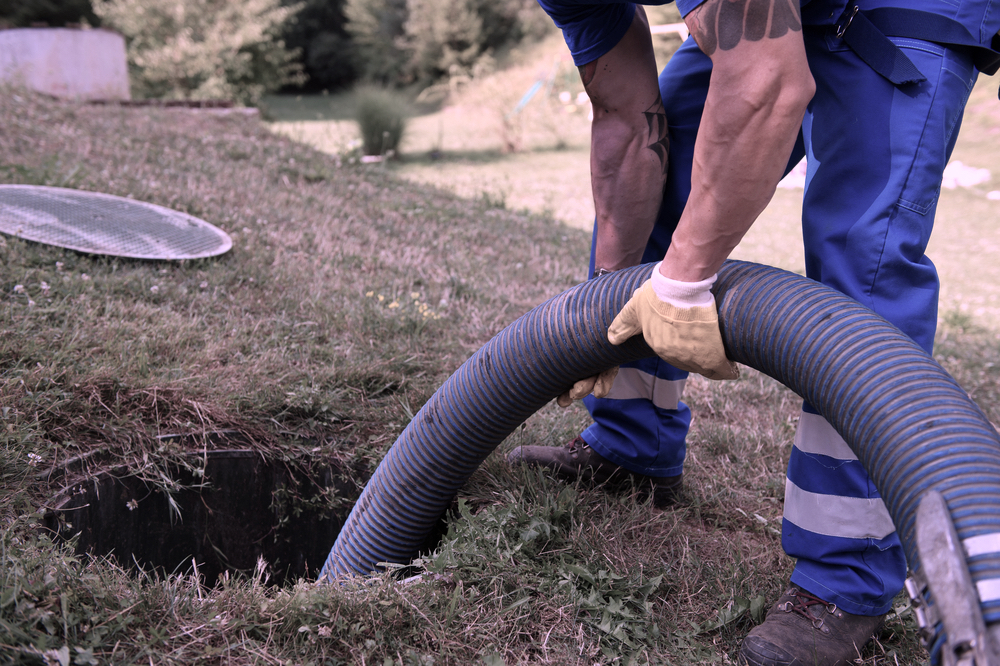
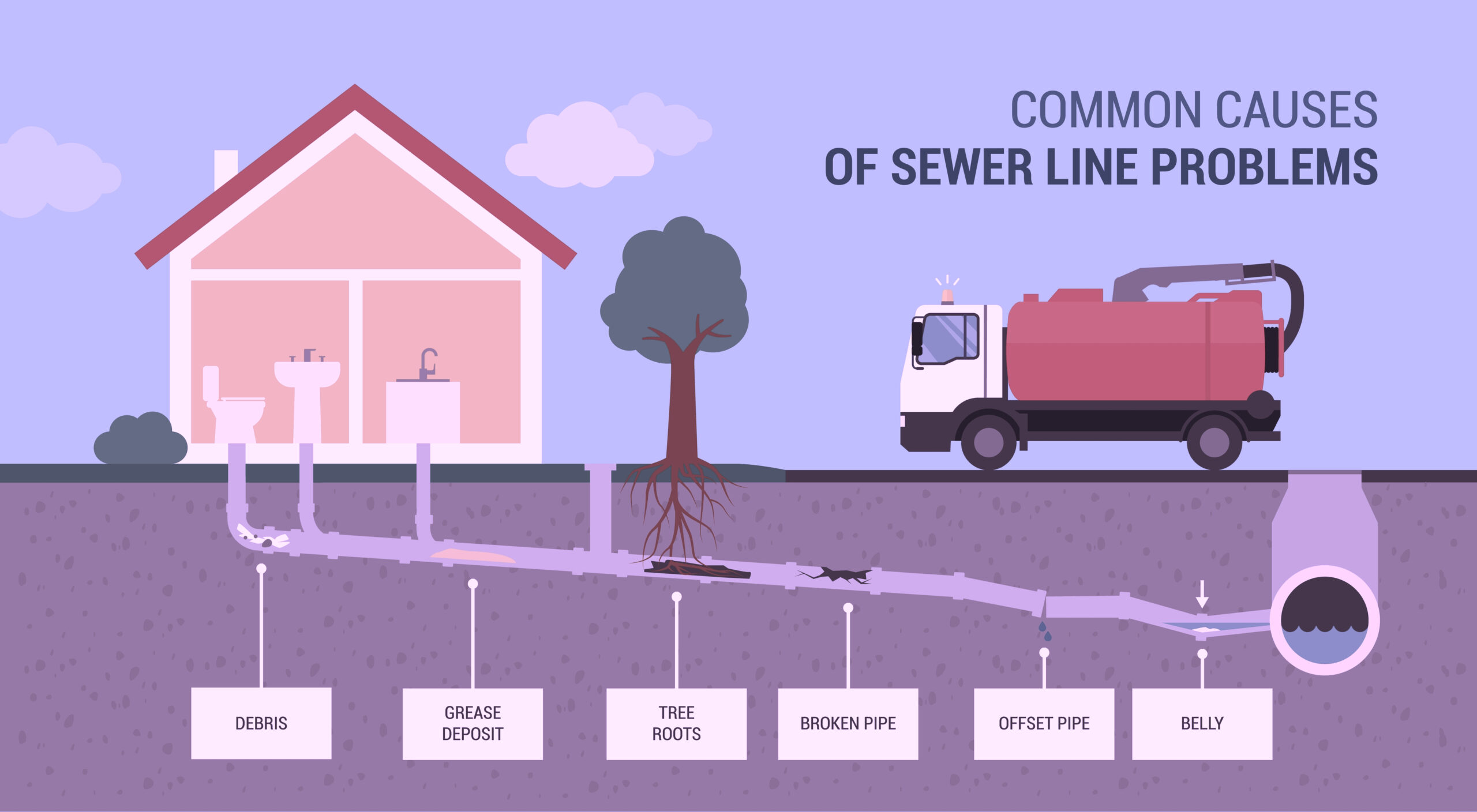
Sewer backups usually form gradually as restrictions build within the plumbing system. These restrictions may originate inside the home, within the main sewer line, or farther down the connection to municipal systems.
Accumulated debris such as grease, soap residue, and foreign materials
Tree root intrusion that penetrates underground sewer lines
Pipe deterioration caused by age, corrosion, or shifting soil
Sudden heavy water use that overwhelms partially blocked lines
As these issues worsen, wastewater loses its ability to flow freely away from the property. When resistance becomes too great, sewage seeks the lowest available exit, often through drains, toilets, or tubs. Sewer backups do not resolve themselves, and repeated stress increases the likelihood of future events.
Health Hazards Associated With Sewer Backups
The health risks linked to sewer backups extend far beyond unpleasant odors. Wastewater contains bacteria, viruses, and parasites that pose serious exposure concerns.
Pathogens and microorganisms that can cause gastrointestinal illness
Airborne contaminants released as sewage dries and particles become airborne
Skin and respiratory irritation from direct contact or lingering residue
Mold growth triggered by prolonged moisture exposure
Children, older adults, and individuals with compromised immune systems face heightened risk. Even after visible sewage is removed, contamination can remain within porous materials such as drywall, flooring, and insulation. Professional assessment is often required to ensure proper sanitation and protect indoor air quality.
Structural And Financial Damage To Property
Sewer backups can compromise a home’s structure in ways that are not immediately visible. Wastewater saturation weakens building materials and accelerates deterioration.
Warped flooring and subfloor damage from prolonged moisture
Drywall and insulation breakdown inside walls
Electrical system exposure increasing fire and shock risk
Foundation stress from repeated saturation
The financial impact can escalate quickly. Cleanup, restoration, and replacement costs often exceed initial expectations, especially if damage spreads beyond the immediate area of overflow. Preventive maintenance plays a key role in limiting these risks. This overview ofroutine plumbing care explains how scheduled attention helps identify developing issues before they result in major system failure.
Why Sewer Backups Often Go Unnoticed Until It Is Too Late
One of the most dangerous aspects of sewer backups is how quietly the conditions develop. Early warning signs may be subtle or mistaken for minor inconveniences.
Slow-draining fixtures in multiple areas of the home
Gurgling sounds from drains or toilets
Recurring odors that come and go without a clear source
Water level fluctuations in toilets or floor drains
Because these symptoms may appear intermittently, they are often ignored. However, each sign indicates increasing stress within the sewer system. Professional inspections help clarify whether these symptoms reflect localized issues or broader system risk. Guidance on selecting proper evaluation services is outlined in this resource oninspection quality, which highlights what thorough assessments should include.
The Role Of Professional Intervention In Prevention
Preventing sewer backups requires more than responding to emergencies. Professional plumbing services focus on identifying vulnerabilities and correcting them before failure occurs.Professionals use diagnostic tools to assess line condition, locate blockages, and evaluate pipe integrity. This allows targeted solutions rather than guesswork. Just as important is documentation, which helps track system changes over time and supports informed maintenance decisions.Professional intervention also considers usage patterns. Homes with aging pipes, large households, or heavy water demand face a higher risk and benefit from proactive planning. Addressing these factors early reduces strain on the sewer system and lowers the chance of sudden backup.Sewer backups represent a convergence of health risk, property damage, and financial loss. Once they occur, recovery is complex and disruptive. Prevention, guided by professional insight, offers a far safer and more cost-effective path.Understanding the risks associated with sewer backups helps homeowners appreciate why early action matters. By recognizing warning signs and investing in proper evaluation, many backups can be avoided entirely.
Protect Your Home Before Problems Surface
Sewer backups place both health and property at serious risk when left unaddressed. ContactTweedy Plumbing and Restoration to schedule a professional assessment and take proactive steps toward protecting your home and family.
Find the information in this post useful? Share it:
Slow drains and recurring clogs are more than minor inconveniences. They often signal buildup deep within plumbing lines that routine methods cannot fully remove. From an expert perspective, these issues rarely resolve on their own. Hydro jetting is a professional solution designed to restore full pipe diameter, improve flow, and reduce the risk of future blockages. Understanding how hydro jetting works helps explain why it is one of the most effective tools for maintaining healthy drains.Unlike temporary fixes, hydro jetting addresses the underlying causes of restricted flow. It is a proactive service that protects plumbing systems rather than reacting after backups occur.
Why Drains Become Restricted Over Time
Drain systems handle a wide range of materials every day. Even with responsible use, residue accumulates along pipe walls and gradually reduces capacity. Grease, soap film, mineral deposits, and organic waste all contribute to this buildup.Over time, these materials harden and trap additional debris, making clogs more frequent and harder to clear. Older plumbing systems are especially vulnerable because rough interior surfaces give buildup more places to cling.Restricted flow often develops quietly. Water may drain slightly slower, odors may linger, or minor backups may occur intermittently. These early signs indicate deeper issues that basic clearing methods cannot reach effectively.
How Hydro Jetting Works Inside Pipes
Hydro jetting uses highly pressurized water to clean the interior surfaces of plumbing lines. Rather than pushing through a blockage, it scours the entire pipe, removing buildup from walls and joints.
High pressure water breaks apart hardened deposits
Rotating nozzles clean the full pipe circumference
Debris is flushed safely through the system
Pipes are restored closer to original capacity
This process is thorough and precise. Because it relies on water rather than mechanical force, hydro jetting is effective without damaging properly maintained pipes. Professionals evaluate pipe condition beforehand to ensure the method is appropriate.Hydro jetting does not mask problems. It removes the material causing them, which is why results last longer than surface-level clearing.
Problems Hydro Jetting Is Designed to Address
Hydro jetting is not a one-size-fits-all solution, but it excels in situations where buildup is extensive or recurring. It is especially effective for systems experiencing frequent slowdowns or blockages.
Grease accumulation in kitchen drains
Soap residue and hair in bathroom lines
Mineral scale in hard water areas
Organic debris from routine use
Tree roots and structural issues may require additional evaluation, but hydro jetting often plays a role in restoring flow after those concerns are addressed. By fully cleaning the pipe interior, it reduces the chance that debris will immediately catch again.When drains continue to clog despite repeated clearing, it is often a sign that deeper buildup remains. Hydro jetting targets that hidden layer.
Why Professional Evaluation Matters Before Jetting
Hydro jetting is a powerful tool, which is why professional assessment is essential before use. Not all plumbing systems are in the same condition, and pipe material, age, and integrity must be considered.Professionals often rely on inspections and system history to determine whether hydro jetting is appropriate. Factors such as pipe age, previous repairs, and visible symptoms help guide the decision.Understanding the overall system condition is important, especially in older homes. Evaluations similar to those discussed inplumbing system condition help ensure cleaning methods support long-term performance rather than creating new issues.This careful approach distinguishes hydro jetting as a strategic maintenance tool rather than a reactive measure.
Long-Term Benefits of Hydro Jetting
One of the greatest advantages of hydro jetting is its impact over time. Because it cleans pipes thoroughly, it reduces the frequency of future clogs and supports consistent drainage.
Improved water flow throughout the system
Reduced odor caused by trapped debris
Lower likelihood of emergency backups
Extended lifespan of plumbing components
Hydro jetting also complements routine inspections and maintenance. Clean pipes make it easier to identify developing issues and prevent small problems from escalating.Seasonal checks often reveal when hydro jetting may be beneficial. For example, assessments similar to those covered inwinter plumbing checks help determine when proactive cleaning can prevent cold-weather complications.
How Hydro Jetting Fits Into Preventive Maintenance
Rather than waiting for a blockage to disrupt daily life, many property owners incorporate hydro jetting into a preventive care strategy. This approach focuses on keeping systems operating efficiently.Preventive hydro jetting is especially valuable for households with high usage, older plumbing, or recurring drain issues. By addressing buildup before it becomes restrictive, it minimizes stress on the entire system.Preventive maintenance also reduces reliance on repeated spot treatments. Instead of addressing symptoms one drain at a time, hydro jetting improves performance across the network.
When to Consider Professional Help
Recurring clogs, slow drainage in multiple fixtures, or frequent odors often indicate deeper buildup that requires professional attention. These signs suggest that surface-level clearing will no longer provide lasting relief.Professional hydro jetting offers a comprehensive solution that restores function and reduces ongoing maintenance demands. It is most effective when paired with proper evaluation and follow-up care.
Clearing the Way for Long-Lasting Flow
Persistent drain issues are rarely caused by a single blockage. They develop as buildup accumulates over time. Hydro jetting addresses these problems at the source, restoring flow and protecting plumbing systems. For expert evaluation and dependable hydro jetting services, contactTweedy Plumbing and Restoration to keep your drains flowing with confidence.
Find the information in this post useful? Share it:
Water damage remains one of the most costly and disruptive problems a home can face. From slow leaks behind walls to sudden pipe failures, uncontrolled water flow can spread quickly and compromise flooring, drywall, cabinetry, and electrical systems. Because of that risk, many municipalities have started evaluating whether an automatic water shutoff valve should be required in residential construction or during major plumbing changes.From an expert perspective, the answer is rarely a simple yes or no. Local requirements vary by jurisdiction and are often influenced by regional climate, public infrastructure concerns, and how local building departments adopt or amend model plumbing codes. Understanding how these rules work in practice helps homeowners avoid compliance mistakes while making informed decisions about long-term protection.
How local plumbing codes influence valve requirements
Plumbing regulations are typically enforced at the city or county level, even when a jurisdiction references national model codes. Local authorities may adopt these standards as written, revise them, or add local amendments based on area-specific risks. Those choices directly affect whether an automatic water shutoff valve is mandatory, recommended, or not addressed at all.Many jurisdictions base requirements on factors such as:
Whether the project is new construction or an existing home upgrade
The scope of work, such as whole-home repipes versus fixture replacements
Local water authority initiatives for conservation and loss prevention
Inspection practices and enforcement priorities
Because local adoption can change from one code cycle to another, homeowners should avoid relying on general assumptions. It is important to verify requirements based on the project type and the specific city or county where the home is located.
Situations where automatic shutoff valves may be required
Even when a city does not require an automatic water shutoff valve for every property, certain scenarios can increase the likelihood of a mandate. These are usually tied to risk reduction, prevention planning, and limiting large-scale water loss that can affect both homeowners and municipal resources.Common circumstances include:
New residential construction, especially in areas emphasizing water loss prevention
Major remodels that trigger updated plumbing code compliance
Plumbing system replacements that require permit inspection
Properties with specific risk exposure, such as freeze-prone areas
In these cases, local building departments may look for additional protective measures that reduce the chance of catastrophic water events. Understandingvalve compliance rules can help clarify how safety devices, shutoff requirements, and inspection expectations may apply in real installations.
Why requirements differ from city to city
Automatic shutoff valve policies vary because cities face different plumbing risks. Climate is a major factor. Areas with freezing temperatures may prioritize fast shutoff response for burst pipes. Other regions may focus on slab leaks, aging supply lines, or older housing stock that experiences more frequent leak events.Local priorities are also shaped by:
The age and condition of regional infrastructure
Housing density and how quickly water damage can spread in adjacent units
Local insurance loss trends and regional claim patterns
Whether local code officials have adopted recent protective standards
Two neighboring jurisdictions can enforce different rules even if both reference similar model codes. This is why checking only general building code summaries can lead to incorrect conclusions. Professional evaluation helps interpret local requirements accurately and avoids delays caused by failed inspections or missed compliance elements.
How professionals evaluate whether a home needs one
Determining whether an automatic water shutoff valve is required, recommended, or simply beneficial depends on more than reading a code reference. Professionals evaluate the home as an interconnected system, considering both compliance and practical risk.Evaluation often includes:
Reviewing local permitting requirements and inspection triggers
Assessing pipe materials, system age, and known weak points
Identifying vulnerable areas such as basements, crawl spaces, and laundry zones
Considering occupancy patterns that may increase exposure during long absences
Professional insight also helps ensure any installed device integrates properly with existing plumbing. Not every home layout supports the same device placement or sensor strategy. Choosing equipment and positioning it correctly affects reliability, system response time, and long-term performance. Using a structured approach likequality inspection selection helps homeowners understand what a thorough evaluation should include before making compliance-driven installation decisions.
Benefits of compliance beyond meeting code
Even when an automatic water shutoff valve is not mandated, many homeowners choose to add one as part of a broader protection plan. The value is not only in meeting a regulation. It is also in reducing how far damage can spread when a leak occurs.Benefits often include:
Faster response when abnormal flow is detected
Reduced severity of water damage from supply failures
Added confidence during travel or vacancy periods
Support for long-term property preservation planning
However, these benefits depend on correct installation and proper calibration. If a device is poorly integrated, it can shut off unnecessarily or fail to respond during a real event. Professional installation and verification help ensure performance matches the system design and the home’s risk profile.
Why professional guidance matters for compliance decisions
Code language can be technical, and enforcement varies based on local inspection practices. Professional guidance helps homeowners interpret requirements accurately, select appropriate equipment, and prepare for inspection expectations.Experts understand how local rules apply to specific project scopes and can identify whether a valve requirement is tied to permits, remodel thresholds, or water service standards. They also help prevent common mistakes, such as installing a device that does not meet local acceptance standards or placing components in locations that complicate future service.A professional approach is not about overcomplicating the process. It is about improving accuracy, reducing risk, and ensuring that compliance decisions support real-world performance in the home.
Make informed choices about water protection
Local rules for automatic water shutoff valves vary, but knowing what applies to your home is essential for compliance and peace of mind. For expert guidance on evaluation and installation, contactTweedy Plumbing and Restoration to discuss options based on your property and local requirements.
Find the information in this post useful? Share it:
Cold weather introduces unique stress to residential plumbing systems. As temperatures drop, pipes, valves, and fixtures face pressure changes, freezing risks, and material contraction that can expose hidden weaknesses. From an expert perspective, a winter plumbing inspection is not a reactive service reserved for emergencies. It is a proactive evaluation designed to prepare the entire system for seasonal stress before damage occurs.Many winter-related plumbing failures begin quietly. Small leaks, aging fittings, or insufficient insulation may not show visible symptoms during warmer months. Once freezing temperatures arrive, these issues can escalate quickly into pipe bursts, water loss, and interior damage. Professional inspections focus on system readiness, early detection, and long-term reliability, helping homeowners avoid costly disruptions during the coldest part of the year.
How cold weather impacts plumbing systems
Winter conditions affect plumbing in ways that are often underestimated. As water temperature drops, pipes become more rigid and less forgiving under pressure. Ice formation inside supply lines can restrict flow while increasing internal stress, raising the likelihood of cracking or joint separation.Common cold-weather risks include:
Frozen pipes that expand and crack
Reduced water pressure caused by ice buildup
Leaks that worsen as materials contract
Valve failures due to stiffness or wear
These risks increase in areas where plumbing runs through unheated spaces such as attics, garages, and crawl spaces. A winter plumbing inspection evaluates how well pipes and components are protected against these conditions. Professionals look for insulation gaps, exposure points, and pressure irregularities that could lead to failure during prolonged cold spells.Cold weather also affects how quickly problems escalate. A small freeze-related crack can release large volumes of water once temperatures rise. Identifying vulnerabilities before freezing occurs significantly reduces the likelihood of sudden damage and emergency repairs.
What professionals examine during a winter plumbing inspection
A thorough inspection examines more than just visible pipes. Professionals assess the system as an interconnected network where one weak component can affect overall performance. Winter inspections prioritize areas that are most sensitive to temperature changes and seasonal demand.Key inspection areas include:
Exposed and concealed piping in attics, basements, and crawl spaces
Shutoff valves and supply connections
Water heaters and expansion tanks
Outdoor fixtures and hose connections
In addition to physical components, professionals evaluate system controls that allow water flow to be managed quickly in an emergency. Understandingvalve compliance rules is especially important during winter, when frozen pipes can rupture without warning. Inspections confirm that valves operate smoothly, close fully, and meet current safety expectations.Water heaters also receive careful attention. Cold inlet temperatures increase workload, which can expose sediment buildup, pressure issues, or failing components. Addressing these concerns during an inspection helps maintain consistent hot water availability throughout winter.
Why aging plumbing systems face higher winter risks
Plumbing systems age gradually, and many components degrade without obvious signs. Winter amplifies these vulnerabilities by placing additional stress on materials that may already be compromised by corrosion, mineral buildup, or outdated installation methods.Factors that increase winter risk in aging systems include:
Corrosion or thinning pipe walls
Older fittings that lack freeze resistance
Limited insulation around supply lines
Valves that no longer operate smoothly
Older homes may also contain materials that are less tolerant of temperature changes. Professional inspections account for these variables by assessing both age and condition rather than relying on appearance alone. Reviewing a system through anage condition report provides insight into which components may require monitoring, repair, or replacement before winter stress causes failure.This evaluation supports informed planning. Instead of reacting to breakdowns, homeowners gain clarity about system health and can prioritize upgrades that reduce long-term risk.
Preventing costly damage through early detection
Winter plumbing failures are often expensive because of how quickly damage spreads. Frozen pipes frequently burst inside walls or ceilings, allowing water to saturate insulation, drywall, and flooring before the issue is discovered.Early detection during a winter plumbing inspection allows professionals to:
Address weak points before freezing occurs
Reduce the likelihood of emergency repairs
Protect interior finishes and structural materials
Maintain consistent water service throughout winter
Inspections also help identify conditions that may not cause immediate failure but increase long-term risk, such as slow leaks or fluctuating pressure. Addressing these issues early helps maintain system stability and avoids the higher costs associated with restoration work after a major incident.Rather than relying on temporary fixes, inspections support preventative solutions that improve overall resilience. This approach protects both the plumbing system and the home itself.
The value of professional oversight during winter months
Plumbing systems behave differently under winter conditions. Temperature swings, increased indoor water use, and interaction with heating systems all influence performance. Professional oversight ensures that these seasonal factors are evaluated with experience and precision.Ongoing professional involvement provides:
Accurate assessment of winter readiness
Adjustments based on weather patterns and usage
Documentation that supports future maintenance decisions
Reduced uncertainty during extreme cold events
A winter plumbing inspection is not about predicting every possible issue. It is about reducing exposure to risk, improving preparedness, and maintaining reliable water service during the most demanding season of the year. Professional oversight helps homeowners move through winter with greater confidence and fewer surprises.
Prepare your plumbing before winter takes control
Cold weather has a way of exposing hidden weaknesses in plumbing systems. For expert evaluation and winter-focused protection, contactTweedy Plumbing and Restoration to schedule a professional inspection designed to keep your home protected throughout the season.
Find the information in this post useful? Share it:


 Understanding Traditional Drain Cleaning Methods
 Understanding What Causes Drain Blockages
 How Sewer Backups Develop Over Time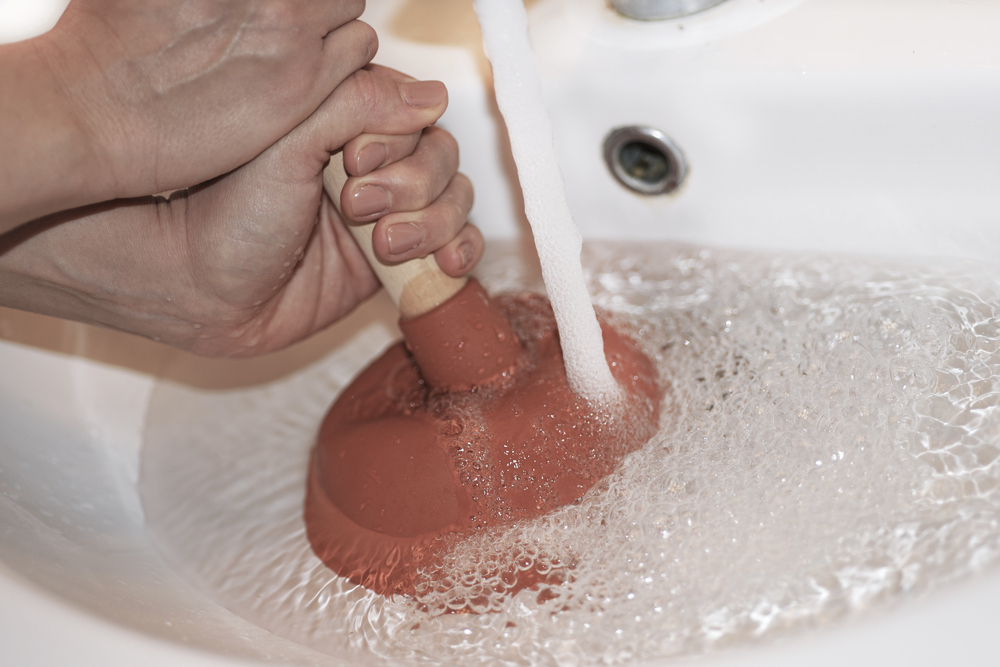

 How cold weather impacts plumbing systems