

Your November plumbing checklist for Costa Mesa homeowners: water heater, drains, rain prep and holiday hosting tips, plus when to call a local plumber.
Get ready for fall with our October plumbing checklist for Costa Mesa homeowners: drains, water heaters, outdoor lines, and when to call a local plumber.
- Water was shooting out of a cinder block wall behind the hose bib
- Opening the wall revealed a cracked copper pipe
- We cut out the cracked section and soldered in new pipe and fittings
- Hose bib reinstalled, line tested, and confirmed leak-free
- Real copper pipe repair done right here in Costa Mesa
When water starts shooting out of a wall, you don't have time to wait and see what happens. That's exactly the situation we ran into on a recent job here in Costa Mesa -- water was spraying out of a cinder block wall, right behind the outdoor hose bib. A leak like that soaks everything near it, and because the pipe is under pressure, it only gets worse the longer it runs.
I'm Channing Tweedy with Tweedy Plumbing & Restoration, and I want to walk you through this copper pipe leak repair in Costa Mesa because it's a good look at how a hidden plumbing leak announces itself -- and what a proper fix actually involves once you open things up. If your home has copper water lines, and most homes in our area do, this one is worth a few minutes of your time.
What We Found Behind the Cinder Block Wall
The symptom was hard to miss. Water was shooting out of the cinder block wall behind the hose bib -- the outdoor faucet where the homeowner hooks up a garden hose. The pipe that feeds a hose bib runs through the wall, so when that pipe fails inside the wall cavity, the escaping water has to go somewhere. In this case, it was forcing its way out through the block.
The only way to know for sure what's happening inside a wall is to open it up. Once we did, the problem was obvious: the copper pipe was cracked. This wasn't a pinhole or a slow drip at a joint -- it was an actual crack in the pipe itself, letting pressurized water escape into the wall every time the line was live. A crack like that doesn't seal itself, and no patch applied from the outside would have fixed it. The damaged section had to come out.
How We Repaired the Cracked Copper Pipe
Cutting Out the Damaged Section
With the wall open and the cracked pipe exposed, we cut out the failed section of copper. That's the right call for a crack -- trying to solder over a split pipe is a shortcut, and shortcuts on pressurized water lines don't hold. Removing the damaged material entirely leaves you with clean, sound pipe ends to build from.
Soldering In New Pipe and Fittings
In place of the section we removed, we installed a couple of short sections of new copper pipe along with the fittings needed to tie everything back together, and soldered the joints in place. Soldered copper joints have been the standard for water lines for generations for a reason -- when the pipe is properly cleaned, fluxed, and heated, the joint is strong, watertight, and built to last.
Reinstalling the Hose Bib and Testing for Leaks
Once the new pipe and fittings were in, we reinstalled the hose bib and tested the line for leaks. That final step isn't optional. Pressurizing the line and checking every new joint is how you confirm the repair is actually finished -- not just finished-looking. Everything held tight, and the homeowner had their outdoor faucet back with a solid, leak-free line feeding it.
Why Does a Copper Pipe Crack in the First Place?
Every pipe has its own history, and the honest answer is that a crack like this can come from a number of things. Copper is a durable, long-lived material, but it isn't invincible. Some of the common reasons copper water lines crack or split include:
- Age and wear -- pipe that's been in service for decades can thin and weaken over time.
- Stress on the line -- movement, vibration, or a pipe that's been under strain at a fitting can eventually give way.
- Corrosion -- water chemistry can attack copper from the inside out over the years.
- Pressure problems -- repeated surges and water hammer put stress on the pipe wall.
Whatever the cause, the fix is the same: get the damaged pipe out and put sound material back in its place.
Signs You Might Have a Leak Hidden in a Wall
Not every in-wall leak announces itself as dramatically as this one did. Some stay quiet for a long time and do their damage slowly. Here's what to watch for:
- Water visibly spraying, dripping, or seeping from a wall, like the leak in this Costa Mesa job
- Damp, stained, or discolored areas on drywall, plaster, or masonry
- The sound of running or hissing water when every fixture in the house is off
- A water bill that climbs without any change in how much water your household uses
- Musty smells or signs of mold near a wall
If any of these show up in your home, don't wait on it. Water inside a wall cavity damages framing, insulation, and finishes, and the longer it runs the bigger the repair gets.
What to Do If You Find a Leak Like This
First, shut off the water. If water is actively spraying or flowing, get to your main shut-off valve and close it -- that stops the damage from compounding while you wait for help. Second, call a licensed plumber. An in-wall leak is not a DIY situation: the pipe has to be exposed, cut out, and reconnected correctly, and the repair has to be tested under pressure before the wall gets closed back up. Third, don't put it off. Even a small, quiet leak inside a wall gets more expensive every day it runs.
Copper Pipe Repair in Costa Mesa You Can Count On
This job is a good picture of how we work: find the real problem, fix it the right way, and test it before we call it done. Whether your leak is in a tough spot -- buried inside a cinder block wall -- or an easy one, we'll get you taken care of.
Call Tweedy Plumbing & Restoration at (949) 645-2352. Our current offer: $85 diagnostic, waived when we do the work -- so there's no reason to sit on a leak and let it grow. If you've got water where it shouldn't be, give us a holler.
Questions, answered
Can a cracked copper pipe in a wall be repaired, or does the whole line need to be replaced?
In many cases, only the damaged portion needs to come out. On this Costa Mesa job, we cut out the cracked section, soldered in a couple of short sections of new copper pipe with fittings, reinstalled the hose bib, and tested for leaks. Replacing a longer run is only worth discussing if the pipe is failing in multiple places.What are the signs of a water leak inside a wall?
Watch for water spraying or seeping from a wall, damp or discolored spots on drywall or masonry, the sound of running water when all fixtures are off, an unexplained jump in your water bill, or musty smells near a wall. In this job, the sign was impossible to miss -- water shooting out of the cinder block behind the hose bib.What causes a copper water pipe to crack?
Copper is durable, but it can crack from age and wear, stress or movement on the line, corrosion from water chemistry over time, or repeated pressure surges and water hammer. Whatever the cause, the reliable fix is to cut out the damaged pipe and solder in sound new material.Do you have to open the wall to fix a leaking pipe inside it?
Yes. To repair a cracked pipe correctly, it has to be exposed. On this job we opened the cinder block wall behind the hose bib to reach the cracked copper pipe -- that's the only way to cut out the damage, solder in new sections and fittings, and pressure-test the repair before closing things back up.How much does it cost to have Tweedy Plumbing diagnose a leak?
Our current offer: $85 diagnostic, waived when we do the work. Call (949) 645-2352 and we'll come take a look.Should I shut my water off if I see water coming out of a wall?
Yes. Shut off your main water valve right away to stop the damage from getting worse, then call a licensed plumber. An in-wall leak needs professional repair -- the pipe has to be cut out, reconnected, and tested under pressure. You can reach us at (949) 645-2352.A cracked copper pipe hidden inside a wall can go from a nuisance to serious water damage in a hurry. The good news is that with the right repair -- cutting out the damaged section, soldering in new pipe and fittings, and testing the line before calling it done -- the fix is clean and built to last.
If you're dealing with a leak behind a wall, a leaking hose bib line, or any other copper pipe leak repair in Costa Mesa, give Tweedy Plumbing & Restoration a call at (949) 645-2352. Our current offer: $85 diagnostic, waived when we do the work. Leak in a tough spot or an easy one -- give us a holler and we'll get you taken care of.
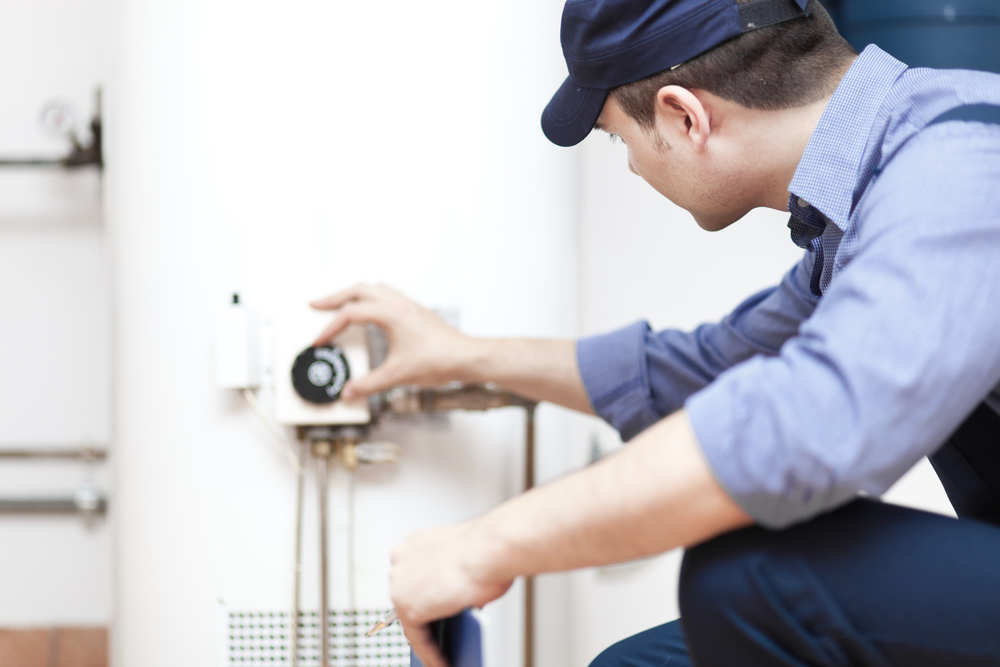
A water heater is one of those systems that often goes unnoticed until something feels off. Whether it is a sudden drop in water temperature or a subtle change in performance, these early signs are easy to ignore. Over time, however, small issues can lead to more noticeable disruptions in daily routines.
From a professional standpoint, water heaters rarely fail without warning. Most problems develop gradually, giving clear signals that something within the system needs attention. Recognizing these signs early allows for timely professional water heater service, helping maintain performance and avoid more serious complications.
Temperature inconsistency is often the first noticeable change homeowners experience. It may start subtly, such as a slightly shorter hot shower or a brief shift in temperature while using a faucet. Over time, these variations become more frequent and harder to ignore, signaling that the system is no longer operating at full efficiency.
This issue is commonly linked to internal factors such as sediment buildup, worn heating elements, or thermostat irregularities. As sediment accumulates at the bottom of the tank, it can create a barrier that prevents heat from transferring effectively to the water. This forces the system to work harder, which further contributes to uneven performance.
In some cases, the problem may not be isolated to a single component. A combination of aging parts and internal buildup can create inconsistent heating patterns throughout the system. This is why fluctuating temperatures are often one of the earliest indicators that professional water heater service may be needed.
 Inconsistent or Fluctuating Water Temperature
Temperature inconsistency is often the first noticeable change homeowners experience. It may start subtly, such as a slightly shorter hot shower or a brief shift in temperature while using a faucet. Over time, these variations become more frequent and harder to ignore, signaling that the system is no longer operating at full efficiency.
This issue is commonly linked to internal factors such as sediment buildup, worn heating elements, or thermostat irregularities. As sediment accumulates at the bottom of the tank, it can create a barrier that prevents heat from transferring effectively to the water. This forces the system to work harder, which further contributes to uneven performance.
In some cases, the problem may not be isolated to a single component. A combination of aging parts and internal buildup can create inconsistent heating patterns throughout the system. This is why fluctuating temperatures are often one of the earliest indicators that professional water heater service may be needed.
- Water turns cold quickly. This may suggest reduced heating capacity or sediment buildup inside the tank.
- Temperature fluctuates during use. Inconsistent heating can indicate issues with heating elements or thermostats.
- Longer wait times for hot water. Delays in heating may reflect declining system efficiency.
- Uneven temperature across fixtures. This can signal broader system imbalances.
Unusual Noises Coming From the Tank
Water heaters are typically quiet when functioning properly. New or increasing noise levels often point to internal changes that should not be ignored.- Popping or rumbling sounds. These are commonly caused by sediment hardening at the bottom of the tank.
- Hissing or sizzling noises. This may indicate moisture interacting with heated surfaces.
- Sudden changes in sound patterns. New or irregular noises can signal developing issues.
- Increased noise during heating cycles. This often reflects buildup affecting normal operation.
Visible Signs of Wear or Leakage
Physical changes around the water heater often provide clear evidence that service may be needed. These signs should be taken seriously, as they can indicate underlying damage.- Moisture around the base. Even small amounts of water can suggest a developing leak.
- Rust or corrosion. Visible wear on the tank or connections may weaken the system over time.
- Discolored water. Brown or rusty water can indicate internal corrosion.
- Drips from valves or fittings. Leaks at connection points can signal pressure or component issues.
Reduced Efficiency and Higher Energy Use
A decline in efficiency is another common sign that a water heater may require professional attention. Systems that work harder to produce the same results often experience increased wear. As explained in our resource on plumbing maintenance timing, regular evaluation helps identify inefficiencies before they affect overall performance.- Increased energy usage. A struggling system may consume more energy to maintain temperature.
- Frequent cycling. The unit may turn on and off more often than usual.
- Reduced hot water supply. Efficiency loss can limit how much hot water is available.
- Gradual performance decline. Small changes over time often point to internal buildup or aging components.
When Professional Water Heater Service Becomes Necessary
There are times when water heater issues move beyond minor concerns and require a more detailed approach. Recognizing these moments helps ensure the system is handled safely and effectively.- Persistent performance problems. Ongoing issues often indicate deeper mechanical concerns.
- Multiple warning signs at once. Combined symptoms suggest that the system is under strain.
- Aging equipment. Older units are more likely to experience wear and reduced efficiency.
- Uncertainty about system condition. Without proper evaluation, it can be difficult to determine the extent of the issue.
Keep Your Hot Water Flowing Smoothly
A well-functioning water heater supports daily comfort and convenience. When signs of trouble begin to appear, a careful and informed response helps maintain consistent performance. If your system is showing signs of wear, connecting with Tweedy Plumbing and Restoration can help you explore solutions designed for reliability and long-term efficiency.

Fruit flies are a common problem in many homes, especially in kitchens and bathrooms. These tiny pests are often attracted to rotting food and organic matter found in drains. While cleaning your kitchen and bathroom surfaces may help, it’s not always enough to stop the flies from coming back. One important step that can help reduce fruit flies is regular drain cleaning. By keeping your drains clear of debris, you reduce the chances of attracting these pests. But does it really work? Let’s explore how regular drain cleaning can keep fruit flies away.

Why Fruit Flies Are Attracted to Drains
Fruit flies are attracted to moisture and decomposing organic matter. Drains are a perfect breeding ground because they often contain food scraps, grease, and soap residue. As the organic material builds up in the drain, it creates a perfect environment for fruit flies to breed and lay eggs. This is why even a clean kitchen can attract fruit flies if the drains are not regularly cleaned.How Regular Drain Cleaning Helps
Regular drain cleaning is a simple yet effective way to prevent fruit flies. By ensuring that your pipes are clear of buildup, you eliminate the potential breeding grounds for these pests. It’s important to remove any food debris, grease, or soap scum that can accumulate in your drains over time. If your drain gets clogged, it can create stagnant water, which can attract fruit flies. Keeping your drains clean helps maintain a healthy environment and prevents these pests from taking over.The Role of Professional Drain Service
If you’ve tried cleaning your drains yourself but are still dealing with fruit flies, it might be time to consider calling a professional drain service. A professional plumber can perform a deep clean, ensuring that all the buildup in your pipes is removed. They can also inspect the plumbing system for any issues, such as leaks or blockages, which can contribute to fruit fly problems. This extra step ensures that your drains are functioning properly and don’t become a breeding ground for pests.Other Ways to Prevent Fruit Flies
While regular drain cleaning is important, it’s not the only step you can take to keep fruit flies away. You should also focus on other areas that attract these pests. Make sure you store fruits and vegetables properly, especially during warmer months. Keep trash cans covered, and clean any spills immediately. A water leak near your sink or garbage disposal can also create a moist environment for fruit flies, so make sure to address any leaks as soon as you notice them.Preventing Fruit Flies Starts with Clean, Clog-Free Drains
Regular drain cleaning is an effective way to reduce fruit flies in your home. By keeping your drains free of debris, you remove potential breeding grounds for these pests. If cleaning your drains doesn’t solve the problem, a professional drain service can help with a deeper clean. Along with maintaining your drains, taking care of other areas of your home will also help prevent fruit fly infestations. Regular attention to your plumbing and cleanliness will make your home less inviting to these unwanted visitors. For reliable drain cleaning and pest prevention, trust Tweedy Plumbing to keep your home fly-free. Our expert team ensures your drains are spotless and functioning properly. Contact Tweedy Plumbing today for professional service and long-lasting results!
Just like anything else, your sewerline has a life expectancy. We often get calls from people who want to replace their sewerline because they have root intrusion, an offset in the line, or a negative slope in the line. All reasons you would need to replace your sewerline. But when you’re ready to hire a plumber in Costa Mesa to replace your sewerline, you will find some contractors who offer trenchless replacement, while others offer traditional excavation replacement. What’s the difference? Trenchless uses a newer technology to sleeve in a new sewerline where your old one exists. There is very little excavation required, hence the term trenchless. The traditional way of replacing a sewerline in Costa Mesa is to excavate the old one out and put the new one in.
So which is better? Well, they both have pros and cons. The trenchless method is popular because it’s less invasive, which sometimes results in some cost savings. The cons with the trenchless replacement is that if you happen to have a poor grade or negative slope to the line, the new replacement will follow that grade and create a problem for you. Also, if your current sewerline is caved in or has excessive roots, the application will not work. The cons pertaining to a traditional replacement is that the old sewer line has to be dug up. This means there is a little more work involved and sometimes the jackhammer is needed to break some concrete. The biggest benefit of doing an excavation is peace of mind. When you create a trench to replace the old sewer pipe, you could rest assured that the new pipe will have the correct grade and there will be no surprises. Everything is exposed and will not only be inspected by the contractor but likely by the City as well.
Each application is different, and we suggest that you get at least two estimates for sewerline replacement in Costa Mesa. Any good plumber in Orange County will be able to give you a full breakdown of the method they plan on using to replace your sewerline. Also, when you get your estimate, make sure they are bidding on the same scope of work. Sometimes, the bid may not include some beneficial elements to the work such as cleanouts and permits. We hope this helps you make an educated decision when it’s time to decide on sewerline replacement in Costa Mesa.
It’s no mystery the cost of living in Los Angeles is costly, therefore many Property Owners are looking into Additional Dwelling Units (ADU’s) as a way to help with some of their expenses. And who could blame them, some ADU’s could generate enough money to offset your mortgage payment. But is an ADU right for you? And how would the plumbing work? Let’s explore.
One of the biggest reasons people turn down the idea of converting a garage or building an ADU is because there is no plumbing in the area they want to build. Bringing utilities to the location of your build is often a bigger task than the construction. And while it may not be easy to bring utilities over, most of the time it’s possible. We have that “if there is a will, there is a way” mentality. Sometimes we have to get creative, but usually we could make it happen. And of course, some applications are easier than others. For example, if we don’t have enough grade to install a new sewer-line, we may have to use a sump pump. Or if you don’t want to dig up too much of your backyard to replace an old existing line, we may have to bring out our trenchless systems.
So now you are wondering about cost, right? Well, that is where you would want to seek out an ADU consultant. The cost will vary according to size, accessibility and type of ADU or conversion. For example, if you decide to do a tiny house in a easily accessible back yard, that would be a lot less than doing a custom built home in a area where there is no room for heavy equipment to enter (like a backhoe for excavation). The plumbing cost will vary too, if we could tap into a nearby utility that would be ideal and a lot more affordable than having to tie in at the street.
We suggest that you don’t let the upfront cost of construction scare you. The ROI on a nice ADU could be substantial. If after you weigh the pros and cons, you decide you would like more info, make sure to reach out to a designer or GC to get some figures (make sure you tell them that having Tweedy Plumbing as Sub-Contractor is a Must ;)). And don’t forget to reach out to your City to make sure you plans are legal. And/or if you have some direct plumbing questions, we are here to help!

When you have a shower, sink or laundry drain that plugs up, regardless of the reason, it usually is the cause of related issues such as backed up water, effluent, soap and even grease and debris. For many homeowners, the tools to take care of a clog in the drain are not readily available. Are you looking for drain unclogging in Costa Mesa? If you need your drains cleared in Costa Mesa, we have solutions. Tweedy Plumbing & Restoration has the type of knowledgeable and experienced professionals who provide reliable services related to drain clearing.
People who are searching for contractors, plumbing services or companies throughout the area are encouraged to check with Tweedy. We have trucks and service personnel in Irvine, Newport Beach, Laguna Beach, Corona Del Mar, Newport Coast, and Huntington Beach. The trucks are able to come quickly throughout the entire region and are always fully stocked with tools and parts to take care of common problems, such as clogged drains.
We are ready to provide a wide range of cleaning and repair services for drains of our clientele. Our techniques are well proven and respected by our customers. The technology we use is state-of-the-art and our pricing is flat rate and upfront to give each customer peace-of-mind. Backed up drains can quickly damage other parts of the residence or business. This is why we respond quickly.
Services related to drains which are available from Tweedy include interior drain backup, toilet stoppage, area drains plugged, sewer line root intrusion, slow kitchen drains, garbage disposal jammed, overflow of laundry drains, in-line camera inspection, underground pipe location, clean-out installation, high-pressure hydro jetting, pipelining, underground boring, and pipe bursting. The repair solutions for each of these may be similar in some ways, but not so in others.
The professional plumbing team is able to determine the appropriate treatment or repair solution for each of the above conditions. In addition to identifying the source of the clog, the plumbing crew will remove the clog or blockage and restore the drains or pipes to a free-flowing condition.
Clogs can be accumulated by any of various materials. Grease, foreign objects, breakdown of the pipes, hair, and soap are common causes. Tree roots can encroach on the drains or pipes and cause a backup of unwanted liquid and debris into the house. Sometimes, clogged drains are the cause of damage to lawns and gardens, walkways or other areas.
Homeowners and business owners can take some steps which will help to stave off clogs or prevent them from worsening. Cleaning drains on a regular basis is one action. There are harmless household products which can be used in drains on a weekly basis to keep them smelling sweet and free-flowing. The use of caustic substances or other treatments is best to be done by a professional. Protecting the inhabitants and pets of the household is important to each member of the professional team.
If you are looking for tips on drain cleaning in Costa Mesa, we have solutions for you. Call 949-645-2352 to schedule a service call today.
Slab construction is a popular option for homes that do not include a basement. A layer of asphalt or concrete is poured over leveled and compacted ground, usually with a gravel base and the house is built on top of these slabs. When leaks develop, it is important to contact a reliable contractor to fix the problem. Are you looking for slab leak detection in Costa Mesa? Do you need help with leaking slabs in the area surrounding Costa Mesa? Tweedy Plumbing & Restoration has the top professional and trusted leak detection service throughout the area which includes Costa Mesa, Corona Del Mar, Huntington Beach, Newport Coast, Irvine, Laguna Beach and Newport Beach.
Before undertaking the repair of leaks, the professionals will need to determine whether or not there are any leaks and where they might be located. Typically, a professional team will respond quickly with the skills and knowledge to identify whether in fact, you have water coming through the slabs on which your home is built.
Leaks in your slabs are the result of a break in a pipe which lies below the concrete foundation of your structure. When a pipe bursts, water seeps into the ground, as well as the foundation of the home. These leaks can occur in either sewer or water lines. When there is water as a result of the line break, the result can be costly damage, so early detection is vital.
Some of the signs that your pipes might be having issues include soft spots in the flooring. Pools of water may develop where there is more water than just a seep. If you observe a crack in the foundation it can be a sign of trouble. Mold or dampness on walls or other surfaces also indicates water where it should not be. Our professionals can respond quickly to home or business owners who are fearful of this type of issue.
Prompt response is important, irrespective of the type of plumbing issue. Our professionals have the knowledge and experience to take care of a wide range of plumbing problems. These include plumbing installation and repairs, water heater installation, water damage restoration, and mold remediation. We do water leak detection and repair, as well as sewage remediation and drain cleaning and natural gas leak detection and repair.
If you are in need of slab leak repair in Costa Mesa, we have the solutions. Call 949-645-2352 to schedule a service call today!