

Commercial plumbing problems can disrupt operations. A slow drain in an office, a leak in a retail space, or a failing water heater can affect employees, customers, inventory, and building access. Because commercial systems often serve more fixtures and experience heavier use than residential plumbing, repairs and installations need to be planned around technical demands and business schedules.
Choosing licensed plumbers gives property owners and managers a stronger foundation for that work. Licensing, insurance, experience, diagnostic ability, and familiarity with commercial systems all matter when the goal is to correct the problem efficiently and reduce repeat disruption. A professional team should explain what was found, what is recommended, and how the repair fits the larger system.
 Commercial Plumbing Requires More Than A Quick Repair
Commercial properties can have larger supply systems, more fixtures, longer drain runs, multiple restrooms, water heaters, appliance connections, and service lines that support daily operations. A repair that seems minor can have wider consequences if it affects water pressure, drainage, or access to essential areas.
Licensed plumbers may evaluate:
- Leak location and whether water has spread beyond the visible area
- Drain performance across several fixtures or connected lines
- Pipe material, age, corrosion, and previous repair history
- Water-heater capacity and condition for the property’s demand
- Valves, fixtures, and appliance connections exposed to frequent use
- Whether repair, replacement, or broader maintenance is the better long-term choice
Water quality can also influence commercial plumbing. The effects of hard-water corrosion show why mineral buildup, pipe material, pressure, and age should be considered together rather than treating every leak or restriction as an isolated failure.
A licensed professional can assess those overlapping conditions before recommending work, helping businesses avoid repeated repairs that do not address the underlying problem.
Licensing And Diagnosis Help Protect Business Operations
Commercial plumbing work often has to be completed while a business continues operating. That makes scheduling, access, safety, and accurate diagnosis especially important. Opening walls, shutting off water, or taking restrooms out of service can affect productivity, so the repair plan should be based on confirmed findings.
For commercial jobs, look for plumbers who can:
- Explain the source of the problem before major work begins
- Coordinate shutoffs and service windows around business needs
- Use diagnostic tools to narrow hidden leaks or drainage problems
- Provide clear recommendations for repair, maintenance, or replacement
- Inspect completed work and confirm that the system is operating properly
- Document findings when property managers or owners need service records
Accurate leak diagnosis is particularly valuable because visible moisture may appear some distance from the actual failure. Guidance on professional leak detection illustrates why pressure changes, stains, meter activity, and concealed moisture should be evaluated as part of the entire plumbing system.
Although that guidance focuses on homes, the diagnostic principle is equally important in commercial properties. Tracing the source before opening finishes can reduce unnecessary disruption and help keep repair work focused.
Experience Matters When The System Serves More People
A commercial plumbing system is under different demand than a typical household system. Restrooms, sinks, kitchens, water heaters, drains, fixtures, and appliances may be used repeatedly throughout the day. That higher usage makes durable repairs and preventive maintenance more important.
A qualified commercial plumber should be prepared to address:
- Water leaks that threaten flooring, walls, cabinetry, or business equipment
- Slow or blocked drains that affect restrooms, kitchens, or service areas
- Aging or corroded pipes that create recurring failures
- Fixture and valve problems that waste water or interrupt service
- Water-heater issues that affect hot-water availability
- Plumbing maintenance that helps identify wear before a shutdown occurs
Experience also helps when deciding whether a one-time repair is enough. One failed fitting may be isolated, but repeated leaks in different areas can suggest wider pipe deterioration. Similarly, recurring drain problems may point to a deeper line issue rather than a simple local blockage.
Licensed plumbers can compare the current problem with pipe age, material, water quality, pressure, and prior repairs. That system-wide view supports better long-term decisions and helps businesses budget for repair or replacement before an emergency forces the issue.
Commercial property owners should also consider responsiveness. A plumbing problem can disrupt customers and employees long before it causes major structural damage. Prompt evaluation helps contain the problem, while clear communication lets managers decide how to protect affected spaces and keep operations moving.
The best commercial plumbing relationship is not built only around emergencies. Routine inspections, leak detection, drain service, maintenance, and timely repairs can reduce the likelihood of unexpected interruptions. When professional plumbers understand the property’s history and recurring concerns, future diagnosis can also become more efficient.
Choosing licensed plumbers ultimately means choosing accountability, technical training, and a more structured approach to commercial work. The goal is not merely to restore water flow or stop the visible leak. It is to complete the repair correctly, verify system performance, and help the business avoid preventable repeat problems.
Keep Commercial Plumbing Problems From Disrupting Business
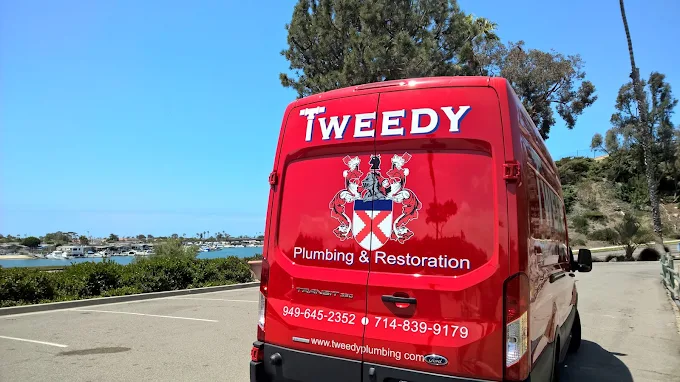
If your property needs commercial plumbing repair, leak detection, drain service, maintenance, water-heater work, or other professional plumbing support, contact Tweedy Plumbing and Restoration for experienced service designed around business operations.