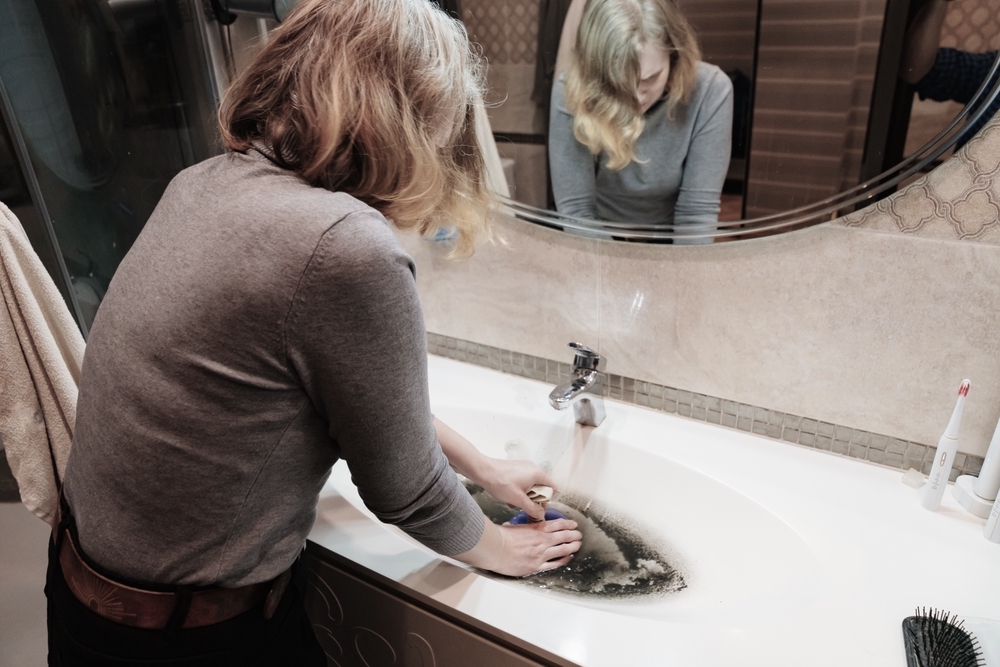
A sewage backup can move from a plumbing problem to a property-damage concern very quickly. Wastewater can rise through toilets, tubs, showers, floor drains, or other low points when a drain or sewer line is blocked, damaged, or unable to carry flow properly. Beyond the mess, contaminated water can affect flooring, drywall, cabinets, and other materials that may need professional cleanup.Our team looks at every sewage backup risk as both a plumbing issue and a restoration issue. The first priority is identifying why wastewater is not moving through the system correctly. From there, licensed professionals can determine whether drain cleaning, camera inspection, sewer repair, water removal, drying, or additional restoration work is appropriate.
Slow Drains And Gurgling Can Signal A Developing Backup
Backups often give warning signs before wastewater appears indoors. Slow drainage across several fixtures, gurgling toilets, unpleasant drain odors, or water rising in one fixture when another is used can point to a deeper restriction. The location of the symptoms helps our technicians decide whether the problem is limited to one branch line or connected to the main sewer.Our article onlicensed plumbing work explains why accurate diagnosis matters when drainage problems affect larger or interconnected systems. The same principle applies in a home, where several fixtures may share the same downstream piping.Warning signs worth professional attention include:
Multiple drains slowing at the same time
Toilets bubbling or gurgling during nearby fixture use
Wastewater appearing in tubs, showers, or floor drains
Persistent sewer odors around drains or plumbing areas
Recurring clogs shortly after a one-time clearing
Water backing up at the lowest fixture in the home
These symptoms help narrow the source, but they do not show the pipe condition by themselves. A camera inspection or other professional diagnostic step may be needed to confirm what is happening.
Grease, Debris, Roots, And Pipe Problems Can Restrict Flow
Different blockages require different responses. Kitchen grease can coat pipe walls and catch food particles, while other debris may collect at bends or low-flow sections. Tree roots, aging sewer lines, damaged pipe, or a bellied section can also create repeat problems that a simple clearing does not correct.Our team evaluates how the backup developed before recommending service. A localized kitchen clog, for example, may need a different approach from a whole-house drainage problem caused by a main-line restriction.Common causes we may evaluate include:
Grease buildup that narrows kitchen drain piping
Food debris trapped in existing grease or pipe irregularities
Tree-root intrusion into sewer piping
Broken, shifted, or deteriorated sewer-line sections
Heavy buildup that repeatedly slows downstream flow
Objects or material lodged where multiple fixtures connect
A sewage backup risk becomes more serious when the same drainage symptoms keep returning. Repeat problems often indicate that the underlying restriction, pipe condition, or line defect still needs attention.
Cleanup Matters After The Plumbing Source Is Controlled
Stopping the backup is only one part of recovery if wastewater has already reached finished surfaces. Our guide todrain clog causes shows why blockage type affects the professional cleaning method. When a backup spreads beyond the plumbing fixture, the next concern is how far contaminated moisture has traveled.Professional response may involve:
Removing standing water after the plumbing source is controlled
Checking flooring, drywall, cabinets, and adjacent materials for moisture
Identifying materials affected by contaminated wastewater
Using drying equipment based on measured moisture conditions
Monitoring hidden areas where water may have traveled
Coordinating plumbing repair and restoration under one plan
This coordination matters because a room can look dry while moisture remains beneath flooring or behind finished surfaces. Moisture readings help determine where drying is still needed and when affected areas are ready for the next stage of repair.Homeowners should also avoid assuming that a backup is finished simply because water has drained away. If the obstruction remains, the next heavy use of the plumbing system can send wastewater back through the same low points. Our technicians may recommend drain cleaning, hydro jetting, camera inspection, sewer-line repair, or replacement depending on what the system shows.Long-term prevention depends on understanding why the backup occurred. If grease buildup is the cause, the drainage system may need a different maintenance strategy. If roots or damaged sewer piping are involved, cleaning alone may provide only temporary relief. A licensed plumber can explain whether the line is clear, whether structural pipe problems remain, and what follow-up makes sense.The strongest response to a sewage backup combines diagnosis, drain or sewer service, moisture assessment, cleanup, and verification. This gives homeowners a clearer basis for deciding whether the problem needs cleaning, repair, or broader restoration support. Treating those steps as connected parts of one problem gives homeowners a clearer path from emergency response to full recovery.
Stop The Backup Before The Damage Spreads
If wastewater is backing up, drains keep recurring, or sewer problems are affecting your home, contactTweedy Plumbing and Restoration for professional drain service, sewer support, plumbing repair, water removal, and drying.
Find the information in this post useful? Share it:
Cooler weather in Orange County is milder than in many parts of the country, but seasonal changes can still expose weaknesses in a plumbing system. Temperature shifts, aging valves, corrosion, water-pressure problems, and existing leaks can all increase the chance of damage when plumbing is already under stress.Our team approaches pipe protection by looking at the entire plumbing system rather than focusing on one exposed line. Supply connections, shutoff valves, water heaters, hose bibs, drains, and concealed piping all deserve attention. The goal is to identify risk early and keep the system reliable as conditions change.
Inspect Visible Plumbing Before Cooler Weather Arrives
A seasonal inspection should begin with plumbing that is easy to access. Exposed pipes, fixture connections, angle stops, appliance lines, hose bibs, and water-heater components can all show early signs of wear. Corrosion, mineral buildup, moisture, staining, or a slow drip may indicate that a connection needs professional attention before it worsens.Our article onplumbing insurance inspections explains why documentation matters when leaks or water damage occur. A professional review can separate visible symptoms from the actual plumbing source and help determine whether repair, replacement, or additional testing is appropriate.A seasonal checklist should include:
Checking exposed pipes and fittings for corrosion, staining, or moisture
Looking around shutoff valves for drips or mineral buildup
Inspecting appliance supply lines for wear, kinks, or damaged connections
Reviewing hose bibs and exterior fixtures for leaks or deterioration
Watching for water-heater corrosion, valve issues, or moisture nearby
Noting unexplained pressure changes that may indicate a developing problem
Small signs can provide useful clues before a failure becomes obvious. Seasonal checks also make it easier to compare new concerns with earlier plumbing conditions.Professional evaluation helps confirm whether the issue is limited to one component or connected to a broader plumbing concern.
Pay Attention To Pressure, Water Heaters, And Hidden Leaks
Pipe protection also depends on how the system is operating. Excessive pressure can place added stress on valves, fixtures, supply lines, and concealed piping. Water heaters can develop corrosion, leaks, or valve problems that become more serious if they go unnoticed. Hidden leaks may travel behind walls or beneath flooring before visible damage appears.Our technicians may use leak detection, pressure testing, fixture inspection, or other diagnostic methods when the source is uncertain. That is especially important when stains, dampness, or recurring water use do not have an obvious explanation.Important areas to review include:
Checking whether water pressure feels unusually high or inconsistent
Watching for unexplained increases in water use or recurring damp spots
Listening for water movement when fixtures are not in use
Inspecting around the water heater for rust, moisture, or valve problems
Looking beneath sinks and cabinets for staining or warped materials
Scheduling leak detection when moisture appears without a visible source
A concealed plumbing problem can spread moisture well beyond the point where it first becomes visible.
Prepare For Water Damage As Part Of Pipe Protection
Even with preventive maintenance, plumbing failures can still happen. A burst pipe, failed connection, leaking water heater, or damaged supply line can release water into floors, walls, cabinets, and ceilings quickly. That is why pipe protection should include a plan for recognizing and responding to moisture damage as well as maintaining the plumbing itself.Our guide topipe-burst moisture explains why stopping the source is only the first step. Water can remain trapped beneath flooring, behind drywall, and inside insulation after the visible leak has been repaired.A complete seasonal plan should include:
Knowing where the main water shutoff is located
Acting quickly when a supply line, valve, or pipe begins leaking
Checking nearby rooms for water that may have traveled out of sight
Using moisture readings to determine how far dampness has spread
Drying affected materials thoroughly before restoration work begins
Following up when musty odors, staining, or recurring moisture appears
Our team treats plumbing repair and water damage response as connected tasks when a leak affects the building. First, the source must be found and stopped. Then the wet area can be measured, standing water removed, materials dried, and moisture levels confirmed before repairs continue.Seasonal maintenance is also a good time to review older plumbing components that have already shown signs of wear. Repeated leaks, corrosion, aging valves, and pressure concerns may justify a broader plumbing evaluation rather than waiting for another failure. One-time repairs solve the immediate problem, but long-term reliability depends on understanding why the issue developed.Cool weather in Orange County may not bring extended freezing conditions, yet seasonal changes still provide a useful reminder to inspect the plumbing system. Preventive attention can help reduce unexpected leaks, water damage, and emergency repairs while keeping the system easier to monitor throughout the year.
Keep Your Plumbing Ready For The Season Ahead
For professional pipe protection, leak detection, plumbing repair, water-heater service, pressure testing, and water damage restoration, contactTweedy Plumbing and Restoration for an evaluation based on the condition of your property.
Find the information in this post useful? Share it:
A pipe burst can release a large amount of water into walls, floors, cabinets, ceilings, and nearby rooms. Even after the plumbing problem is repaired, moisture can remain trapped in materials that appear dry on the surface. That hidden dampness is a major reason mold can develop after a major leak.Avoiding mold starts with controlling the water source, identifying how far moisture traveled, removing standing water, and drying affected materials thoroughly. A professional response is especially important because water can move behind drywall, under flooring, and along framing where homeowners may not see it. The faster the entire affected area is evaluated, the easier it is to reduce long-term damage.
Stop The Water And Confirm The Source First
The priority after a pipe burst is to stop additional water from entering the property. Repairing the damaged pipe prevents the problem from continuing, but the surrounding area still needs to be checked for moisture that has already spread.A professional response may include:
Shutting off the affected water supply safely
Locating the exact failed pipe, fitting, or connection
Checking nearby walls, floors, ceilings, and cabinets for moisture
Evaluating whether water reached electrical or other sensitive areas
Repairing the failed plumbing before restoration work begins
Documenting the affected rooms and visible damage
Accurate diagnosis matters because visible water may appear some distance from the actual failure. Guidance onprofessional leak detection explains why pressure changes, stains, concealed moisture, fixture connections, and pipe condition should be considered together.Fixing the pipe is only the first step. Drying should not begin blindly before the full wet area has been identified.
Hidden Moisture Must Be Found And Dried Thoroughly
Water from a burst line can travel through porous building materials quickly. Drywall, insulation, wood, flooring, and cabinetry may hold moisture even when the room looks dry. Mold risk increases when damp materials remain enclosed or poorly ventilated.Restoration professionals may check:
Moisture levels behind walls and beneath finished flooring
Damp insulation or drywall that may not dry effectively in place
Cabinets, baseboards, and trim near the affected area
Flooring seams where water may have migrated underneath
Adjacent rooms that appear dry but share walls or flooring
Areas where trapped moisture could remain after surface cleanup
Drying equipment should be selected for the materials and size of the affected area. Air movers and dehumidification can help remove moisture, but progress should be confirmed with fresh readings rather than judged only by touch.Some materials may be salvageable if drying begins promptly, while others may require removal. Professional evaluation helps distinguish between the two and prevents damp materials from being sealed back into the structure.
Proper Restoration Helps Reduce Mold Risk
Once the pipe is repaired and the wet area is mapped, restoration can focus on removing water, drying materials, and confirming that moisture levels have returned to an acceptable range. The process should continue until readings show that hidden areas are no longer retaining excess moisture.A complete restoration plan may include:
Extracting standing water from affected rooms
Removing materials that cannot be dried safely
Positioning drying equipment based on moisture readings
Monitoring progress and adjusting equipment as conditions change
Checking for signs of mold or microbial growth
Repairing damaged finishes after drying is complete
Choosing qualified professionals is important when plumbing and restoration overlap. Guidance onlicensed plumbing work highlights the value of accurate diagnosis, technical training, clear recommendations, and system-wide evaluation. Those same principles matter in residential emergencies where the plumbing failure and water damage need to be handled in the correct sequence.Mold prevention also depends on timing. The longer water remains trapped, the greater the chance that building materials will deteriorate or support microbial growth. Fast action does not mean rushing through the process. It means addressing each stage promptly and verifying that the previous step was completed correctly.Homeowners should also watch for warning signs after the immediate cleanup. Persistent musty odors, discoloration, soft drywall, warped flooring, or recurring dampness can indicate that moisture remains or that another leak has developed. These signs deserve professional evaluation rather than being covered or ignored.A pipe burst can affect more than the room where water first appears. Moisture may follow framing, seep beneath flooring, or spread through wall cavities. That is why restoration should be based on measurements and inspection, not only on what is visible.Long-term prevention includes checking the repaired plumbing, monitoring previously wet areas, and addressing any conditions that contributed to the failure. Aging pipes, corrosion, pressure issues, or recurring leaks may justify a broader plumbing evaluation.The best way to avoid mold after a pipe burst is to treat plumbing repair and water damage restoration as one connected process. Stop the source, measure the spread, remove water, dry thoroughly, verify moisture levels, and repair damaged materials only after the area is ready.
Dry The Damage Before Mold Takes Hold
If a pipe burst has soaked part of your home or business, contactTweedy Plumbing and Restoration for professional leak repair, moisture evaluation, water extraction, drying, and restoration support.
Find the information in this post useful? Share it:
Commercial plumbing problems can disrupt operations. A slow drain in an office, a leak in a retail space, or a failing water heater can affect employees, customers, inventory, and building access. Because commercial systems often serve more fixtures and experience heavier use than residential plumbing, repairs and installations need to be planned around technical demands and business schedules.Choosing licensed plumbers gives property owners and managers a stronger foundation for that work. Licensing, insurance, experience, diagnostic ability, and familiarity with commercial systems all matter when the goal is to correct the problem efficiently and reduce repeat disruption. A professional team should explain what was found, what is recommended, and how the repair fits the larger system.
Commercial Plumbing Requires More Than A Quick Repair
Commercial properties can have larger supply systems, more fixtures, longer drain runs, multiple restrooms, water heaters, appliance connections, and service lines that support daily operations. A repair that seems minor can have wider consequences if it affects water pressure, drainage, or access to essential areas.Licensed plumbers may evaluate:
Leak location and whether water has spread beyond the visible area
Drain performance across several fixtures or connected lines
Pipe material, age, corrosion, and previous repair history
Water-heater capacity and condition for the property’s demand
Valves, fixtures, and appliance connections exposed to frequent use
Whether repair, replacement, or broader maintenance is the better long-term choice
Water quality can also influence commercial plumbing. The effects ofhard-water corrosion show why mineral buildup, pipe material, pressure, and age should be considered together rather than treating every leak or restriction as an isolated failure.A licensed professional can assess those overlapping conditions before recommending work, helping businesses avoid repeated repairs that do not address the underlying problem.
Licensing And Diagnosis Help Protect Business Operations
Commercial plumbing work often has to be completed while a business continues operating. That makes scheduling, access, safety, and accurate diagnosis especially important. Opening walls, shutting off water, or taking restrooms out of service can affect productivity, so the repair plan should be based on confirmed findings.For commercial jobs, look for plumbers who can:
Explain the source of the problem before major work begins
Coordinate shutoffs and service windows around business needs
Use diagnostic tools to narrow hidden leaks or drainage problems
Provide clear recommendations for repair, maintenance, or replacement
Inspect completed work and confirm that the system is operating properly
Document findings when property managers or owners need service records
Accurate leak diagnosis is particularly valuable because visible moisture may appear some distance from the actual failure. Guidance onprofessional leak detection illustrates why pressure changes, stains, meter activity, and concealed moisture should be evaluated as part of the entire plumbing system.Although that guidance focuses on homes, the diagnostic principle is equally important in commercial properties. Tracing the source before opening finishes can reduce unnecessary disruption and help keep repair work focused.
Experience Matters When The System Serves More People
A commercial plumbing system is under different demand than a typical household system. Restrooms, sinks, kitchens, water heaters, drains, fixtures, and appliances may be used repeatedly throughout the day. That higher usage makes durable repairs and preventive maintenance more important.A qualified commercial plumber should be prepared to address:
Water leaks that threaten flooring, walls, cabinetry, or business equipment
Slow or blocked drains that affect restrooms, kitchens, or service areas
Aging or corroded pipes that create recurring failures
Fixture and valve problems that waste water or interrupt service
Water-heater issues that affect hot-water availability
Plumbing maintenance that helps identify wear before a shutdown occurs
Experience also helps when deciding whether a one-time repair is enough. One failed fitting may be isolated, but repeated leaks in different areas can suggest wider pipe deterioration. Similarly, recurring drain problems may point to a deeper line issue rather than a simple local blockage.Licensed plumbers can compare the current problem with pipe age, material, water quality, pressure, and prior repairs. That system-wide view supports better long-term decisions and helps businesses budget for repair or replacement before an emergency forces the issue.Commercial property owners should also consider responsiveness. A plumbing problem can disrupt customers and employees long before it causes major structural damage. Prompt evaluation helps contain the problem, while clear communication lets managers decide how to protect affected spaces and keep operations moving.The best commercial plumbing relationship is not built only around emergencies. Routine inspections, leak detection, drain service, maintenance, and timely repairs can reduce the likelihood of unexpected interruptions. When professional plumbers understand the property’s history and recurring concerns, future diagnosis can also become more efficient.Choosing licensed plumbers ultimately means choosing accountability, technical training, and a more structured approach to commercial work. The goal is not merely to restore water flow or stop the visible leak. It is to complete the repair correctly, verify system performance, and help the business avoid preventable repeat problems.
Keep Commercial Plumbing Problems From Disrupting Business
If your property needs commercial plumbing repair, leak detection, drain service, maintenance, water-heater work, or other professional plumbing support, contactTweedy Plumbing and Restoration for experienced service designed around business operations.
Find the information in this post useful? Share it:
Insurance reports often require more than a description of visible water damage. Adjusters may need clear information about the plumbing system, the likely source of a leak, the condition of affected components, and whether the problem appears sudden or related to long-term deterioration. A professional residential plumbing inspection can help organize those details before repair decisions or claim discussions move forward.For homeowners, the value of an inspection is accuracy. A stain on drywall may come from a supply line, fixture connection, drain, water heater, or hidden pipe. Professional evaluation helps separate the symptom from the source and creates a more useful record of what was observed, tested, and recommended.
What A Plumbing Inspection Should Document
A strong insurance-related inspection begins with the areas most closely connected to the reported damage. The plumber may evaluate fixtures, visible piping, valves, water pressure, drainage, and surrounding materials for evidence of leakage or deterioration. The goal is to document conditions clearly, not simply to confirm that water is present.Important inspection details may include:
Location of visible leaks, stains, corrosion, or moisture around plumbing components
Condition of shutoff valves, supply connections, faucets, toilets, and appliance lines
Water-pressure observations that may help explain stress on fixtures or piping
Drainage symptoms such as backups, slow flow, or gurgling near the affected area
Photographs or notes identifying damaged components and accessible surrounding conditions
A carefulfixture and valve review can be especially useful because small failures at angle stops, faucets, toilets, hose bibs, or appliance connections may contribute to significant water damage.Professional documentation also helps establish what was visible at the time of inspection. That record can support later conversations with adjusters, restoration teams, or contractors who need to understand the plumbing condition before additional work begins.
Hidden Problems May Require Specialized Testing
Not every plumbing failure can be confirmed through a visual inspection. Water can travel beneath flooring, behind walls, through cabinets, or along structural materials before it becomes visible. When the source is uncertain, additional testing may be needed to narrow the problem.An insurance-focused evaluation may involve:
Leak detection when moisture appears without an obvious exposed source
Sewer camera inspection when recurring backups suggest a damaged or obstructed line
Pressure testing when system performance raises concern about concealed leakage
Water-heater inspection when corrosion, valve failure, or tank leakage is suspected
Backflow testing when a device or pressure-related concern affects water-system safety
Backflow devices are a good example of why plumbing reports sometimes require specialized knowledge. A professionalbackflow inspection uses testing equipment to evaluate valve performance, pressure conditions, wear, and compliance-related concerns.This level of detail can be important when an insurer needs more than a general statement that the plumbing system has a problem. Accurate findings help define whether repair, replacement, further investigation, or monitoring is the appropriate next step.
Clear Reports Help Separate Damage From Cause
Insurance claims often involve two related questions: what was damaged, and what caused it. The visible damage may involve flooring, drywall, cabinetry, or ceilings, while the plumbing cause may be a failed valve, leaking pipe, fixture connection, sewer issue, or water-heater component.Professional reports may help clarify:
Which plumbing component appears connected to the reported water damage
Whether corrosion, wear, breakage, or another condition was visible during inspection
Which areas were accessible and which concealed areas may require further investigation
What immediate plumbing work is recommended to stop additional damage
Which longer-term repairs may be needed after the affected area is stabilized
This distinction matters because plumbing repair and property restoration are not the same task. Stopping the leak addresses the source, while restoration deals with materials already affected by water. A clear inspection report helps both processes move in the right order.Professional residential plumbing evaluation also reduces reliance on assumptions. An adjuster, homeowner, or restoration contractor may see the aftermath, but a licensed plumber can evaluate how the plumbing system is functioning and document technical findings in a structured way.For Costa Mesa homes and properties across much of Orange County, plumbing systems can vary widely in age, remodeling history, pipe materials, fixture condition, and maintenance. Those differences make property-specific inspection especially important. Older valves, hidden leaks, repiping needs, slab-related concerns, or recurring drain problems can require different levels of investigation.Insurance documentation is most useful when it is factual, organized, and supported by observable conditions. Professional inspection can provide photographs, test results, repair recommendations, and descriptions that help explain what was found without overstating what cannot be confirmed.The process also helps homeowners prioritize next steps. Some findings may require immediate repair to stop active leakage, while others may call for additional testing, replacement, or preventive maintenance. Clear documentation makes those decisions easier to discuss with insurers and other professionals involved in the claim.
Put Clear Plumbing Evidence Behind Your Report
If you need a residential plumbing inspection for an insurance report, contactTweedy Plumbing and Restoration for professional evaluation, testing, documentation, and repair guidance based on the condition of your plumbing system.
Find the information in this post useful? Share it:
Hard water is common in many Southern California homes, and its effects usually build slowly. Calcium and magnesium can collect inside supply lines, fixtures, valves, water heaters, and drains. Over time, those deposits may restrict flow, strain plumbing components, and make existing corrosion or wear more noticeable.Hard water does not damage every pipe in exactly the same way. Pipe material, age, water chemistry, pressure, and previous repairs all influence how quickly problems develop. Professional plumbing evaluation helps separate ordinary scale buildup from deeper pipe damage so homeowners can address the actual cause instead of reacting only to visible residue.
Mineral Buildup Gradually Changes How Pipes Perform
Hard-water minerals can settle on interior surfaces as water moves through the plumbing system. Thin deposits may seem harmless at first, but repeated accumulation can narrow the usable diameter of a pipe and create rough surfaces that affect flow.Common signs include:
Water pressure becoming weaker at several fixtures
White or chalky residue around faucets and valves
Showerheads or aerators clogging more frequently
Hot-water performance becoming less consistent
Recurring buildup around plumbing connections
Older pipe sections showing visible mineral deposits
The guidance onhidden leak signs shows why pressure changes, stains, and unexplained moisture should be evaluated as part of the larger plumbing system.
Corrosion And Scale Can Affect Aging Pipes Differently
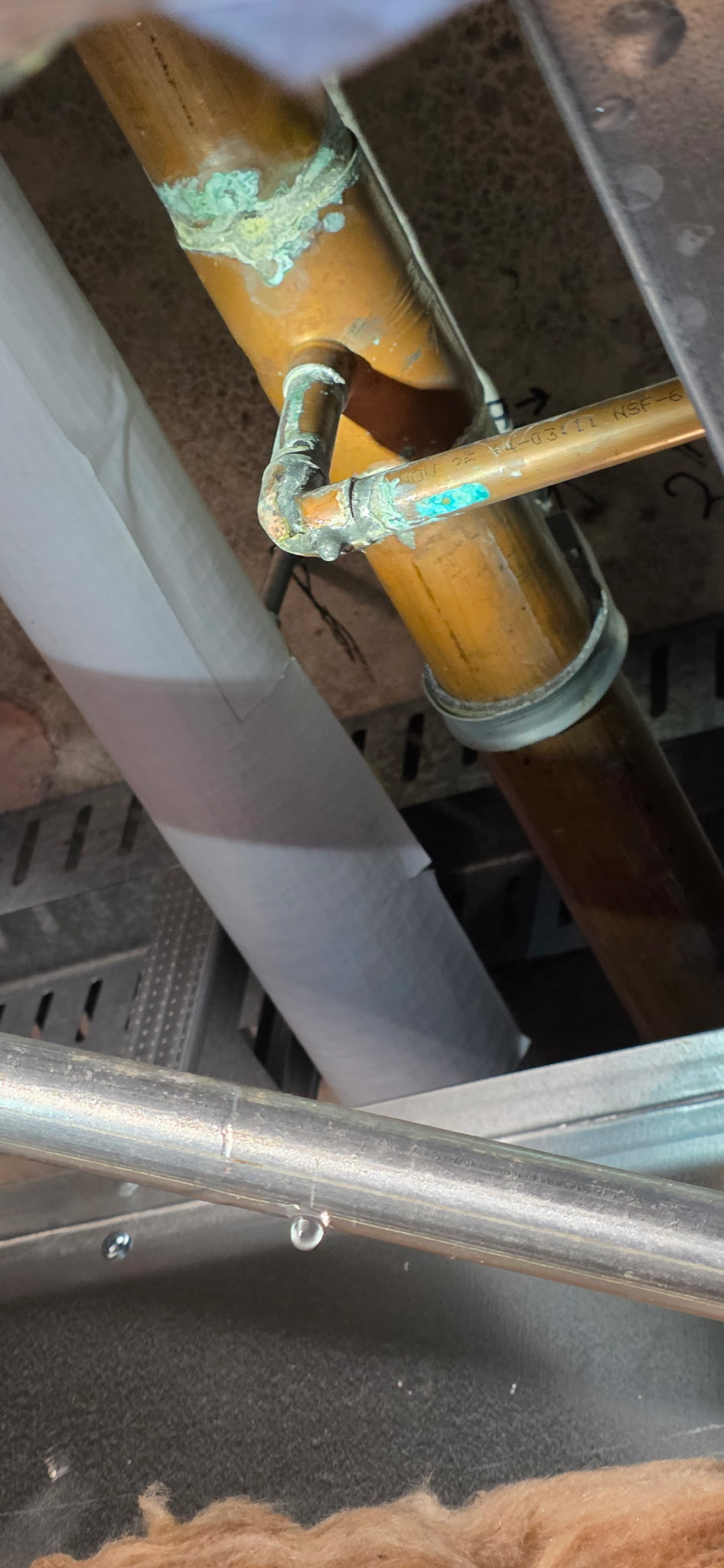
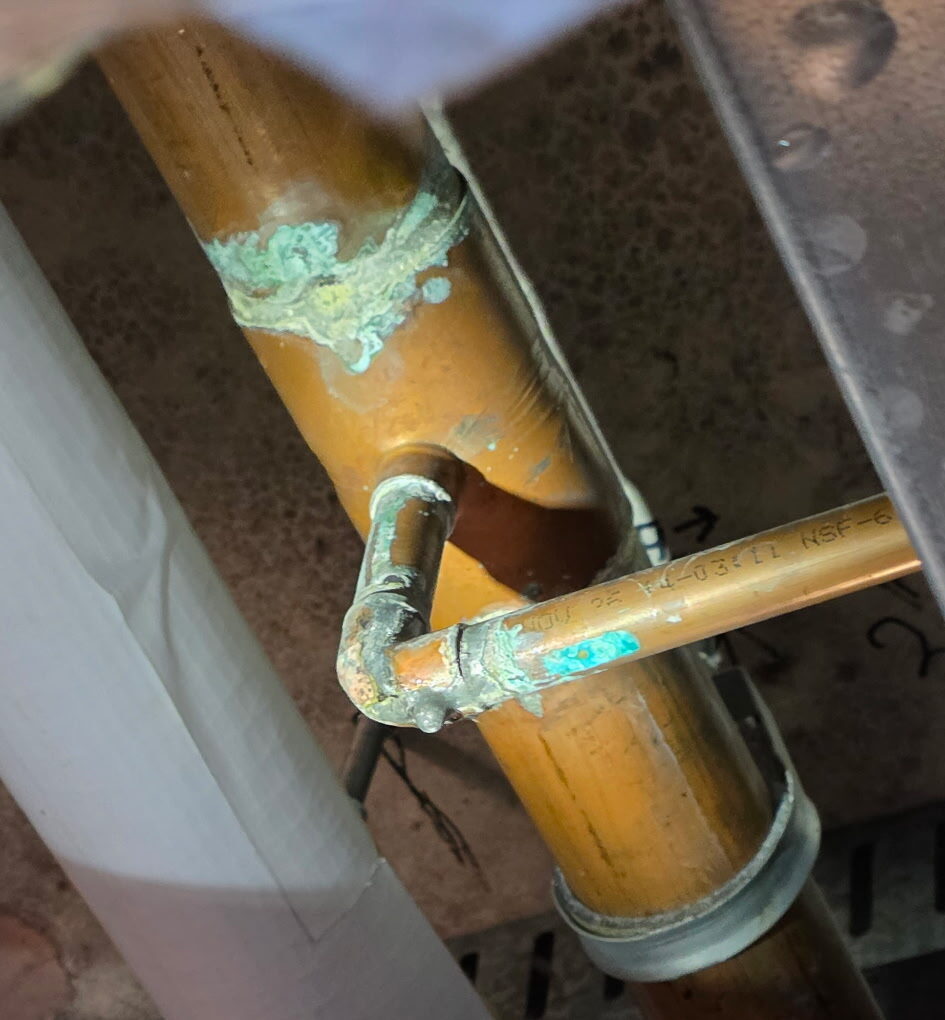
Mineral scale and corrosion are related plumbing concerns, but they are not the same process. Hard water primarily leaves mineral deposits. Corrosion involves the gradual deterioration of metal, and its rate depends on factors such as pipe material, water chemistry, oxygen exposure, temperature, age, and existing surface condition.In older galvanized or steel piping, mineral buildup can develop alongside rust and internal deterioration. Scale may also hide the condition of the metal beneath it, making the remaining wall thickness difficult to judge from appearance alone.Copper, brass, valves, fittings, and water-heater connections can develop their own forms of wear. Professional inspection is more useful than assuming every white deposit means corrosion. Plumbers can evaluate the material, leak history, pressure, and condition before recommending repair.
Watch For Signs That Pipe Damage Is Progressing
Pipe damage often develops gradually before a major leak occurs. Homeowners may first notice small performance changes rather than an obvious plumbing failure.Warning signs can include:
Pinhole leaks developing in older supply lines
Rust-colored water from aging metal pipes
Green, blue, or white deposits around fittings
Pressure dropping throughout several rooms
Damp areas appearing near concealed plumbing
Repeated repairs in different parts of the home
A single symptom does not prove that hard water is the only cause. Corrosion, aging materials, mineral buildup, pressure problems, and joint deterioration can overlap.Professional diagnosis helps determine whether the issue is localized or system-wide. That distinction matters because repairing one fitting can be appropriate when damage is isolated, while widespread deterioration may require a different long-term strategy.
Repeated Repairs May Point Toward A Repiping Decision
When leaks begin occurring in multiple locations, repeated patch repairs can become less practical. A home may have several aging sections that are deteriorating at similar rates, especially when mineral-heavy water, corrosion, and long-term wear have affected the system for years.A discussion ofrepiping decisions explains why plumbers consider pipe material, leak frequency, pressure, water quality, access, and previous repair costs before recommending larger replacement work.Repiping should not be based on hard water alone. One leak or one area of scale does not automatically justify replacing the entire plumbing system. Professional evaluation helps compare targeted repair with partial or whole-home repiping.
Long-Term Protection Starts With Understanding The Whole System
Managing hard-water-related pipe damage requires more than removing visible mineral residue. The plumbing system should be evaluated for performance, material condition, leaks, pressure changes, and recurring problem areas.A complete professional approach may include:
Inspecting exposed pipes, fittings, valves, and connections
Evaluating pressure across multiple fixtures
Checking for concealed or recurring water leaks
Reviewing pipe age, material, and repair history
Assessing mineral buildup and water quality concerns
Recommending repair or repiping based on confirmed conditions
This whole-system view helps avoid unnecessary work. A pressure problem caused by mineral restriction requires a different response than a leaking joint, a corroded pipe wall, or a failing water-heater connection.Hard water can contribute to long-term plumbing wear by leaving scale that restricts flow, affects components, and complicates aging pipe systems. Corrosion can develop alongside those conditions, particularly in older metal piping, but the underlying cause should always be confirmed before repairs begin.Professional plumbing inspection makes that process more efficient. By connecting water quality, pipe material, pressure, leak history, and visible deterioration, plumbers can determine whether the problem calls for a focused repair, broader maintenance, or a repiping plan designed around the condition of the entire system.
Protect Your Plumbing Before Small Changes Become Major Repairs
If you are noticing mineral buildup, pressure changes, recurring leaks, or other signs of pipe damage, contactTweedy Plumbing and Restoration for professional inspection, leak detection, plumbing repair, and repiping evaluation.
Find the information in this post useful? Share it:
Water leaks are not always obvious. Some begin behind walls, under slabs, beneath sinks, around water heaters, or inside ceilings where moisture can spread before a homeowner sees a puddle. Early leak detection helps limit water waste, protect finishes, and reduce the chance that a small plumbing problem becomes a larger restoration project.A thorough approach looks beyond visible drips. Plumbing professionals consider water pressure, fixture connections, supply lines, drains, pipe condition, water-heater components, and household water-use patterns. The goal is to identify where water is escaping, determine why, and choose a repair that fits the overall system.
Watch For Small Changes Before Damage Spreads
Hidden leaks often reveal themselves through subtle changes rather than sudden flooding. Water can travel along framing, flooring, or pipe routes before appearing away from the source.Warning signs include:
Stains appearing on ceilings, walls, cabinets, or baseboards
Musty odors near kitchens, bathrooms, or laundry areas
Flooring becoming soft, warped, loose, or unusually warm
Paint bubbling or drywall beginning to swell
Water bills increasing without a clear change in usage
Running, dripping, or hissing sounds when fixtures are off
A guide tohidden leak signs shows why these clues deserve early evaluation. Professional leak detection can narrow the search without opening walls or flooring blindly, helping reduce unnecessary disruption while locating the source.
Inspect Fixtures, Appliances, And High-Risk Connections
Many residential leaks begin where pipes connect to fixtures or appliances. Toilets, faucets, sinks, washing machines, dishwashers, refrigerators, garbage disposals, and water heaters all rely on valves, hoses, seals, drains, or supply connections that can deteriorate.A professional inspection looks for active moisture, corrosion, loose connections, deteriorated seals, and evidence that water has traveled beyond the immediate fixture. A damp cabinet may come from a supply connection, drain joint, faucet body, or water line routed behind the wall.Water-heater areas also deserve attention because leaks can develop at fittings, valves, tanks, or nearby piping. Accurate diagnosis helps separate a localized fixture problem from a larger pipe issue so repairs address the source instead of only visible damage.
Use Water Usage And Pressure As Diagnostic Clues
Not every leak leaves a visible mark. Changes in water use or system performance can provide important evidence when the source is concealed.Useful clues include:
A water meter moving while no water is intentionally being used
Lower pressure affecting several fixtures at once
Unexplained increases in monthly water consumption
Damp soil near service lines or foundation edges
Warm floor areas that may indicate a concealed hot-water leak
Repeated moisture appearing after specific fixtures are used
These signs do not all point to the same problem. A leak may involve a supply pipe, drain, slab line, water-heater connection, fixture, or exterior water service. Professional testing helps narrow the possibilities before repairs begin.The wettest visible location is not always where the leak started. Water can travel through building materials and emerge several feet away from damaged plumbing.
Know When Repeated Leaks Point To A Bigger Pipe Problem
One isolated leak may require a straightforward repair, but repeated failures in different parts of a home can suggest broader pipe deterioration. Age, corrosion, mineral buildup, weakened fittings, and repair history can influence whether another patch remains practical.A discussion ofrepiping decisions explains why plumbers consider pipe material, leak frequency, pressure, water quality, access, and previous repair costs before recommending a larger replacement project.Professional leak detection helps build that evidence. If several leaks appear within a short period, technicians can determine whether the failures are isolated or connected to a system-wide condition. This avoids assuming that every leak requires repiping while also preventing endless patch repairs when piping is clearly declining.The right decision depends on confirmed condition, not age alone.
Pair Leak Detection With Repair And Moisture Control
Finding the source is only the first part of leak management. Once the plumbing issue is identified, the damaged line, fitting, fixture, or connection needs proper repair, and affected building materials may need drying or restoration.A complete response may include:
Isolating and repairing the confirmed plumbing failure
Checking nearby materials for moisture spread
Evaluating whether drywall, flooring, or cabinetry was affected
Testing the system after repair to confirm normal operation
Reviewing related pipes or fittings for additional concerns
Scheduling restoration when water damage extends beyond plumbing
This coordinated approach helps reduce the chance that moisture remains hidden after the leak is fixed. It also clarifies whether the problem was isolated or part of a recurring pattern.Professional leak detection is most valuable when it leads to an accurate repair plan. Rather than relying on the first visible stain or assuming the nearest fixture is responsible, trained plumbers use system knowledge and diagnostic tools to trace the source, confirm the cause, and protect surrounding materials.Early attention can limit water waste, reduce repair scope, and make long-term plumbing decisions easier to justify.
Find The Source Before Damage Grows
If you notice unexplained moisture, rising water bills, pressure changes, or recurring leaks, contactTweedy Plumbing and Restoration for professional leak detection, plumbing repair, repiping evaluation, and water damage restoration.
Find the information in this post useful? Share it:
Hot water is essential for bathing, cleaning, laundry, and everyday comfort, but excessive temperature can turn a normal fixture into a burn hazard. Scald injuries can happen quickly, especially when water temperature is too high or a plumbing component fails to regulate hot and cold water correctly.Preventing water heater injuries requires attention to temperature, fixtures, system condition, and the people using the home. Children, older adults, and people with reduced mobility or sensation may be more vulnerable because they may react more slowly to dangerously hot water. Professional water-heater service helps homeowners identify risks before they lead to an emergency.
Keep Hot-Water Temperatures Within A Safer Range
The U.S. Consumer Product Safety Commission recommends setting residential water heaters to no more than 120 degrees Fahrenheit to help reduce the risk of scald burns. Actual faucet temperature can vary with system condition, so unexpected heat deserves evaluation.Important safety considerations include:
Keeping water-heater temperature near the recommended household range
Checking for sudden temperature swings at showers and faucets
Using anti-scald or temperature-limiting devices where appropriate
Paying extra attention to fixtures used by children or older adults
Reporting water that becomes unusually hot without adjustment
Scheduling service when temperature control becomes inconsistent
A qualified plumber can confirm whether the heater, thermostat, mixing valve, or fixture is contributing to unsafe temperatures rather than relying on guesswork.
Understand How Water-Heater Type Affects Temperature Control
Traditional tank and tankless systems heat water differently, but both depend on correct installation, proper settings, and functioning controls. Tank-style units store heated water, while tankless systems heat water as it flows through the equipment.Homeowners consideringtankless heater options should look beyond convenience alone. Flow demand, incoming water temperature, gas or electrical capacity, venting, and system sizing can all influence performance. Correct sizing supports more consistent hot-water delivery.If a heater produces water that is much hotter than expected, shuts down unpredictably, or cannot maintain stable temperatures, professional diagnosis is important. Adjusting symptoms without identifying the cause can overlook worn controls, mineral buildup, flow problems, or installation issues that affect safe operation.
Maintain Fixtures And Safety Components
The water heater is only one part of the hot-water system. Shower valves, faucet cartridges, mixing valves, pressure-balancing components, and shutoff valves also influence how hot water reaches the user.Routine attention should include:
Checking shower controls for delayed or sudden temperature changes
Replacing worn fixtures that no longer mix water consistently
Inspecting temperature-limiting or anti-scald devices for proper operation
Monitoring water pressure that may affect fixture performance
Servicing water heaters according to system and manufacturer needs
Addressing leaks or corrosion before nearby components deteriorate
Maintenance is particularly important in areas with mineral-heavy water because scale can affect water heaters, valves, and tankless heat exchangers. Professional service can identify buildup and worn components before they contribute to unreliable hot-water delivery.Maintenance also helps assess whether an older heater still suits household demand.
Do Not Ignore Broader Plumbing Problems
Inconsistent hot-water temperatures are not always caused by the water heater itself. Aging pipes, corrosion, pressure changes, failing valves, and restricted flow can affect how hot and cold water mix at fixtures.When a home experiences recurring leaks, discolored water, reduced pressure, or repeated pipe repairs, broader plumbing evaluation may be necessary. Understanding whenrepiping makes sense can help homeowners recognize when isolated repairs are no longer addressing the condition of the overall system.This matters for scald prevention because safe hot-water delivery depends on predictable flow as well as heater temperature. A professional plumber can evaluate the heater and distribution piping together, identify pressure or flow concerns, and determine whether a fixture problem is localized or part of a larger plumbing issue.
Build Scald Prevention Into Everyday Home Safety
Preventing water heater injuries works best when the entire household understands that unexpectedly hot water deserves attention. Small warning signs should not be dismissed simply because the heater still produces hot water.A practical safety plan may include:
Testing water carefully before bathing a child or vulnerable adult
Teaching family members to report sudden temperature changes
Keeping young children from adjusting hot-water controls unsupervised
Having temperature-control problems evaluated promptly
Scheduling professional maintenance for aging water-heating equipment
Rechecking system performance after plumbing or fixture changes
A reliable hot-water system should provide comfort without unpredictable extremes. When temperatures fluctuate, fixtures respond poorly, or the heater shows signs of wear, an inspection can identify the source before someone is hurt.Professional maintenance also helps homeowners make informed decisions about repairs, replacement, tankless upgrades, or plumbing improvements. The goal is not simply to keep hot water available. It is to keep the system operating predictably, efficiently, and with appropriate safeguards for everyone who uses it.
Make Safer Hot Water Part Of Home Maintenance
If your water heater produces excessive heat, inconsistent temperatures, or other warning signs, contactTweedy Plumbing and Restoration for professional water heater inspection, repair, maintenance, and replacement guidance.
Find the information in this post useful? Share it:
Choosing a new water heater is not only about replacing an old unit with a newer model. The right choice depends on how much hot water a household uses, how much installation space is available, the condition of existing plumbing, and whether long-term operating efficiency matters.Tankless heaters can be a strong option for many Orange County homes, but they are not automatically the best fit for every property. A professional assessment helps determine whether the system can meet peak demand, whether gas or electrical capacity is adequate, and what installation changes may be required.
Choose Tankless When Hot-Water Demand Is Consistent
Tankless systems heat water as it is needed instead of storing a large volume in a tank. This can work especially well for households that want a steady supply of hot water without dedicating space to a conventional storage unit.Tankless heaters may be worth considering when:
Multiple bathrooms create frequent hot-water use
Family members often shower at different times
The existing water heater occupies valuable storage space
Homeowners want to reduce standby heat loss
A remodel creates an opportunity to update the water-heating system
The current unit is nearing replacement age
Sizing still matters. A tankless unit must be able to handle the flow rate required when several fixtures run at the same time. A system that is too small may struggle during peak use, while an oversized unit can add unnecessary installation cost.
Consider Space, Venting, And Utility Requirements
One advantage of tankless heaters is their compact size. Wall-mounted units can free floor space in garages, utility rooms, or other tight areas, which can be useful in Orange County homes where storage and mechanical space are limited.Installation, however, involves more than mounting a smaller appliance. Gas-fired models may require proper venting and enough gas-line capacity. Electric units may require sufficient electrical service. Existing water lines, shutoff valves, drainage, and mounting locations also need to be evaluated.Professional installation is important because these systems must be matched to the home, not simply connected where the old tank was located. A technician can assess utility capacity, venting routes, fixture demand, and code-related requirements before recommending a specific unit.
Factor In Maintenance And Local Water Conditions
Tankless systems still require maintenance, particularly in areas where mineral buildup can affect heat exchangers and internal passages. Orange County properties may experience hard-water conditions that make routine flushing and descaling especially important.Helpful maintenance priorities include:
Flushing mineral buildup from the system as recommended
Checking filters and strainers for debris
Inspecting valves and connections for leakage
Reviewing temperature settings for efficient operation
Checking venting on gas-fired units
Scheduling periodic professional evaluation
Regularwater-heater maintenance can help preserve efficiency and identify developing problems before they lead to larger repairs.A tankless system may offer long-term advantages, but those benefits depend on maintenance being treated as part of ownership rather than an optional extra.
Use Professional Evaluation Before Replacing A Tank
Not every aging water heater should automatically be replaced with a tankless system. In some homes, a conventional tank remains the more practical choice based on budget, existing infrastructure, or hot-water demand.A professional evaluation can compare the condition of the existing unit with the cost and requirements of conversion. This is especially important when a home would need gas-line upgrades, new venting, electrical changes, or additional plumbing work to support tankless equipment.The value ofprofessional plumbing service becomes clearer when several systems interact. Water heaters depend on supply lines, shutoff valves, venting, gas or electrical service, and drainage. An installation decision should account for all of them.That broader assessment helps homeowners avoid choosing equipment based only on advertised efficiency or compact size while overlooking the practical requirements of the property.
Think Long-Term About Cost, Comfort, And Performance
Tankless heaters can make sense when homeowners plan to stay in the property long enough to benefit from their space-saving design, on-demand operation, and potentially lower standby energy use. The decision should still balance installation cost with household needs.Before choosing a system, consider:
Expected hot-water demand during the busiest part of the day
Available gas or electrical capacity
Installation and possible upgrade costs
Space saved compared with a storage tank
Maintenance requirements under local water conditions
Long-term plans for the home
A carefully sized and professionally installed system is more likely to deliver the comfort homeowners expect. Poor sizing, overlooked utility limitations, or skipped maintenance can reduce those benefits.Tankless heaters are most useful when the property and household are good matches for the technology. For some Orange County homes, they provide an efficient and space-conscious solution. For others, a high-quality storage water heater may remain the better fit. The goal is to choose the system based on real household demand, existing infrastructure, and long-term value rather than assuming one option is best for everyone.
Find The Right Hot-Water Fit
If you are considering tankless heaters for your Orange County home, contactTweedy Plumbing and Restoration for professional water-heater evaluation, installation, replacement, and maintenance guidance tailored to your property.
Find the information in this post useful? Share it:
Kitchen drain clogs often begin with everyday cleanup. Cooking oil, sauce, rice, vegetable peel, or leftover food may seem harmless as it rinses toward the drain. Inside the pipe, however, grease and solid debris behave differently. Grease coats the pipe walls, while food particles collect within that sticky layer or settle in bends and low-flow sections.Understanding the difference matters because the blockage type affects how it develops, what warning signs appear, and which professional cleaning method is appropriate. A plumber evaluates the line, affected fixtures, and whether the problem is localized or connected to a deeper drainage issue. Accurate diagnosis helps avoid incomplete one-time clearing that leaves the main buildup behind.
Grease Forms A Sticky Layer Inside Pipes
Cooking fats, oils, butter, sauces, and meat drippings may enter the drain as warm liquids. As they cool, they thicken and cling to the inner pipe surface. Repeated disposal creates a narrowing layer that catches soap residue and passing debris.Common grease-related signs include:
Slower drainage that develops gradually
Gurgling after the sink empties
Greasy or sour odors from the drain
Recurring backups after temporary clearing
Multiple kitchen fixtures draining poorly
Hot tap water may carry grease slightly farther down the line, but it does not remove the material. The grease can cool in a less accessible section and create a deeper blockage. Professional inspection helps determine whether the line needs mechanical clearing, hydro jetting, or another method suited to the pipe condition.
Food Debris Creates Dense Localized Blockages
Food particles behave differently because they can lodge together quickly. Rice, pasta, coffee grounds, eggshells, fibrous vegetable scraps, flour, and starchy foods may swell, compact, or bind with existing residue. Garbage disposals reduce particle size, but they do not make every food safe for the drainage system.The importance ofprofessional plumbing diagnosis becomes clear when a visible sink problem is only one symptom. A plumber may find debris in the P-trap, disposal connection, branch drain, or a deeper line shared with another fixture.Food-debris clogs may develop suddenly or build gradually where the pipe already has grease or mineral residue. Identifying the location prevents unnecessary work and helps protect fittings, disposal components, and older piping from excessive force.
Grease And Food Often Combine Into One Clog
Many kitchen drain clogs contain both grease and solid debris. Grease creates the adhesive surface, while food particles add volume and density. Soap residue, mineral scale, and sludge can make the blockage even more resistant to ordinary water flow.A professional assessment may consider:
Which fixtures are slow or backing up
Whether the problem returns after snaking
The age and material of the drain line
Evidence of grease, sludge, or hard deposits
Whether camera inspection is appropriate
A mechanical auger can open a path through a concentrated obstruction, but it may leave coated pipe walls behind. When repeated clogs point to widespread buildup, a more thorough cleaning method may be needed. Pipe condition should always be evaluated before high-pressure equipment is used.
Cleaning Method Depends On Pipe Condition
Hydro jetting uses controlled high-pressure water to break apart grease, sludge, food residue, mineral deposits, and other materials inside suitable pipes. Instead of only punching through the center of a blockage, it can wash buildup from a wider portion of the pipe interior.The discussion ofcontrolled jetting patterns explains why professional technique matters. Pressure, nozzle selection, hose movement, and cleaning passes should match the clog and pipe condition. Older, damaged, or fragile lines may require a different approach.Professional drain cleaning may involve:
Inspecting the line before selecting equipment
Using an auger for a localized obstruction
Applying hydro jetting for heavy wall buildup
Flushing loosened debris from the system
Rechecking flow after cleaning is complete
This measured process reduces guesswork and avoids harsh chemical cleaners that may create a narrow opening or stress vulnerable pipe materials.
Prevention Starts With Better Kitchen Habits
Preventing grease and food-debris clogs is easier than clearing a complete backup. Cooking oil and grease should cool in a suitable container before disposal in accordance with local waste guidance. Plates, pans, and utensils should be scraped before washing, even when the sink has a garbage disposal.Helpful prevention steps include:
Using a sink strainer to catch food particles
Keeping grease, coffee grounds, and starches out
Running adequate water when operating the disposal
Cleaning strainers and disposal splash guards regularly
Scheduling inspection when drainage repeatedly slows
Recurring odors, gurgling, backups, or slow flow can indicate buildup farther into the system. Multiple affected drains may point to a branch-line or main-line issue rather than a simple kitchen-sink obstruction.Professional service can identify whether grease, food debris, roots, scale, or damaged piping is involved. By matching the cleaning method to the actual cause, plumbers can restore drainage more completely and reduce the likelihood of another interruption.
Clear The Line, Not Just The Symptom
ContactTweedy Plumbing and Restoration for professional drain inspection, drain cleaning, hydro jetting, and long-term solutions for recurring kitchen clogs.
Find the information in this post useful? Share it:



 Commercial Plumbing Requires More Than A Quick Repair
 What A Plumbing Inspection Should Document
 Mineral Buildup Gradually Changes How Pipes Perform
 Watch For Small Changes Before Damage Spreads
 Keep Hot-Water Temperatures Within A Safer Range