

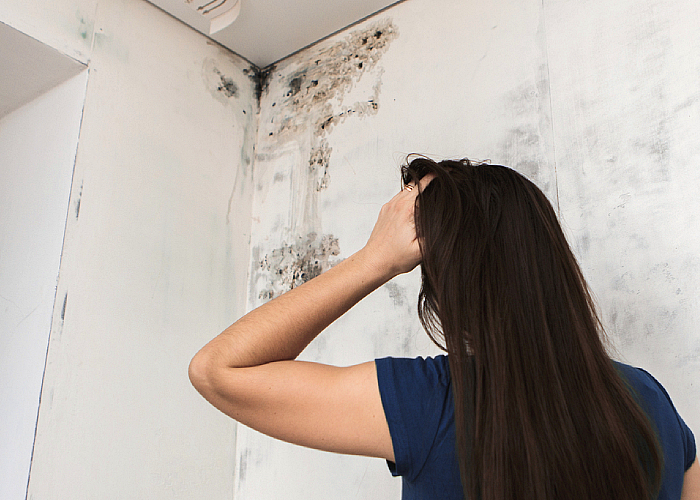
A pipe burst can release a large amount of water into walls, floors, cabinets, ceilings, and nearby rooms. Even after the plumbing problem is repaired, moisture can remain trapped in materials that appear dry on the surface. That hidden dampness is a major reason mold can develop after a major leak.
Avoiding mold starts with controlling the water source, identifying how far moisture traveled, removing standing water, and drying affected materials thoroughly. A professional response is especially important because water can move behind drywall, under flooring, and along framing where homeowners may not see it. The faster the entire affected area is evaluated, the easier it is to reduce long-term damage.

Stop The Water And Confirm The Source First
The priority after a pipe burst is to stop additional water from entering the property. Repairing the damaged pipe prevents the problem from continuing, but the surrounding area still needs to be checked for moisture that has already spread.
A professional response may include:
- Shutting off the affected water supply safely
- Locating the exact failed pipe, fitting, or connection
- Checking nearby walls, floors, ceilings, and cabinets for moisture
- Evaluating whether water reached electrical or other sensitive areas
- Repairing the failed plumbing before restoration work begins
- Documenting the affected rooms and visible damage
Accurate diagnosis matters because visible water may appear some distance from the actual failure. Guidance on professional leak detection explains why pressure changes, stains, concealed moisture, fixture connections, and pipe condition should be considered together.
Fixing the pipe is only the first step. Drying should not begin blindly before the full wet area has been identified.
Hidden Moisture Must Be Found And Dried Thoroughly
Water from a burst line can travel through porous building materials quickly. Drywall, insulation, wood, flooring, and cabinetry may hold moisture even when the room looks dry. Mold risk increases when damp materials remain enclosed or poorly ventilated.
Restoration professionals may check:
- Moisture levels behind walls and beneath finished flooring
- Damp insulation or drywall that may not dry effectively in place
- Cabinets, baseboards, and trim near the affected area
- Flooring seams where water may have migrated underneath
- Adjacent rooms that appear dry but share walls or flooring
- Areas where trapped moisture could remain after surface cleanup
Drying equipment should be selected for the materials and size of the affected area. Air movers and dehumidification can help remove moisture, but progress should be confirmed with fresh readings rather than judged only by touch.
Some materials may be salvageable if drying begins promptly, while others may require removal. Professional evaluation helps distinguish between the two and prevents damp materials from being sealed back into the structure.
Proper Restoration Helps Reduce Mold Risk
Once the pipe is repaired and the wet area is mapped, restoration can focus on removing water, drying materials, and confirming that moisture levels have returned to an acceptable range. The process should continue until readings show that hidden areas are no longer retaining excess moisture.
A complete restoration plan may include:
- Extracting standing water from affected rooms
- Removing materials that cannot be dried safely
- Positioning drying equipment based on moisture readings
- Monitoring progress and adjusting equipment as conditions change
- Checking for signs of mold or microbial growth
- Repairing damaged finishes after drying is complete
Choosing qualified professionals is important when plumbing and restoration overlap. Guidance on licensed plumbing work highlights the value of accurate diagnosis, technical training, clear recommendations, and system-wide evaluation. Those same principles matter in residential emergencies where the plumbing failure and water damage need to be handled in the correct sequence.
Mold prevention also depends on timing. The longer water remains trapped, the greater the chance that building materials will deteriorate or support microbial growth. Fast action does not mean rushing through the process. It means addressing each stage promptly and verifying that the previous step was completed correctly.
Homeowners should also watch for warning signs after the immediate cleanup. Persistent musty odors, discoloration, soft drywall, warped flooring, or recurring dampness can indicate that moisture remains or that another leak has developed. These signs deserve professional evaluation rather than being covered or ignored.
A pipe burst can affect more than the room where water first appears. Moisture may follow framing, seep beneath flooring, or spread through wall cavities. That is why restoration should be based on measurements and inspection, not only on what is visible.
Long-term prevention includes checking the repaired plumbing, monitoring previously wet areas, and addressing any conditions that contributed to the failure. Aging pipes, corrosion, pressure issues, or recurring leaks may justify a broader plumbing evaluation.
The best way to avoid mold after a pipe burst is to treat plumbing repair and water damage restoration as one connected process. Stop the source, measure the spread, remove water, dry thoroughly, verify moisture levels, and repair damaged materials only after the area is ready.
Dry The Damage Before Mold Takes Hold
If a pipe burst has soaked part of your home or business, contact Tweedy Plumbing and Restoration for professional leak repair, moisture evaluation, water extraction, drying, and restoration support.