

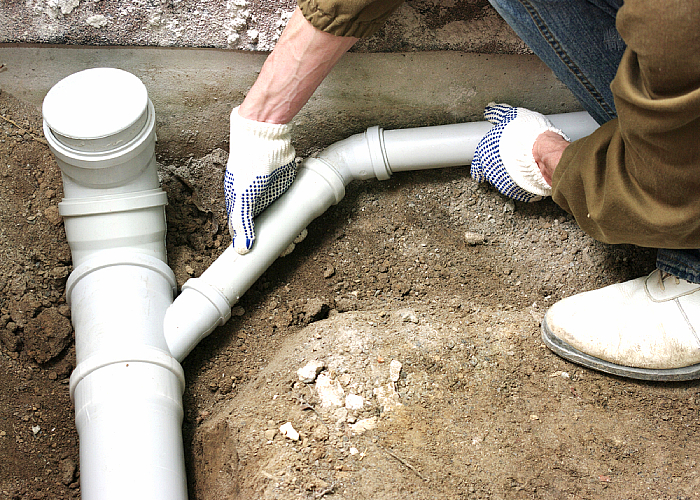
A sewage backup can move from a plumbing problem to a property-damage concern very quickly. Wastewater can rise through toilets, tubs, showers, floor drains, or other low points when a drain or sewer line is blocked, damaged, or unable to carry flow properly. Beyond the mess, contaminated water can affect flooring, drywall, cabinets, and other materials that may need professional cleanup.
Our team looks at every sewage backup risk as both a plumbing issue and a restoration issue. The first priority is identifying why wastewater is not moving through the system correctly. From there, licensed professionals can determine whether drain cleaning, camera inspection, sewer repair, water removal, drying, or additional restoration work is appropriate.

Slow Drains And Gurgling Can Signal A Developing Backup
Backups often give warning signs before wastewater appears indoors. Slow drainage across several fixtures, gurgling toilets, unpleasant drain odors, or water rising in one fixture when another is used can point to a deeper restriction. The location of the symptoms helps our technicians decide whether the problem is limited to one branch line or connected to the main sewer.
Our article on licensed plumbing work explains why accurate diagnosis matters when drainage problems affect larger or interconnected systems. The same principle applies in a home, where several fixtures may share the same downstream piping.
Warning signs worth professional attention include:
- Multiple drains slowing at the same time
- Toilets bubbling or gurgling during nearby fixture use
- Wastewater appearing in tubs, showers, or floor drains
- Persistent sewer odors around drains or plumbing areas
- Recurring clogs shortly after a one-time clearing
- Water backing up at the lowest fixture in the home
These symptoms help narrow the source, but they do not show the pipe condition by themselves. A camera inspection or other professional diagnostic step may be needed to confirm what is happening.
Grease, Debris, Roots, And Pipe Problems Can Restrict Flow
Different blockages require different responses. Kitchen grease can coat pipe walls and catch food particles, while other debris may collect at bends or low-flow sections. Tree roots, aging sewer lines, damaged pipe, or a bellied section can also create repeat problems that a simple clearing does not correct.
Our team evaluates how the backup developed before recommending service. A localized kitchen clog, for example, may need a different approach from a whole-house drainage problem caused by a main-line restriction.
Common causes we may evaluate include:
- Grease buildup that narrows kitchen drain piping
- Food debris trapped in existing grease or pipe irregularities
- Tree-root intrusion into sewer piping
- Broken, shifted, or deteriorated sewer-line sections
- Heavy buildup that repeatedly slows downstream flow
- Objects or material lodged where multiple fixtures connect
A sewage backup risk becomes more serious when the same drainage symptoms keep returning. Repeat problems often indicate that the underlying restriction, pipe condition, or line defect still needs attention.
Cleanup Matters After The Plumbing Source Is Controlled
Stopping the backup is only one part of recovery if wastewater has already reached finished surfaces. Our guide to drain clog causes shows why blockage type affects the professional cleaning method. When a backup spreads beyond the plumbing fixture, the next concern is how far contaminated moisture has traveled.
Professional response may involve:
- Removing standing water after the plumbing source is controlled
- Checking flooring, drywall, cabinets, and adjacent materials for moisture
- Identifying materials affected by contaminated wastewater
- Using drying equipment based on measured moisture conditions
- Monitoring hidden areas where water may have traveled
- Coordinating plumbing repair and restoration under one plan
This coordination matters because a room can look dry while moisture remains beneath flooring or behind finished surfaces. Moisture readings help determine where drying is still needed and when affected areas are ready for the next stage of repair.
Homeowners should also avoid assuming that a backup is finished simply because water has drained away. If the obstruction remains, the next heavy use of the plumbing system can send wastewater back through the same low points. Our technicians may recommend drain cleaning, hydro jetting, camera inspection, sewer-line repair, or replacement depending on what the system shows.
Long-term prevention depends on understanding why the backup occurred. If grease buildup is the cause, the drainage system may need a different maintenance strategy. If roots or damaged sewer piping are involved, cleaning alone may provide only temporary relief. A licensed plumber can explain whether the line is clear, whether structural pipe problems remain, and what follow-up makes sense.
The strongest response to a sewage backup combines diagnosis, drain or sewer service, moisture assessment, cleanup, and verification. This gives homeowners a clearer basis for deciding whether the problem needs cleaning, repair, or broader restoration support. Treating those steps as connected parts of one problem gives homeowners a clearer path from emergency response to full recovery.
Stop The Backup Before The Damage Spreads
If wastewater is backing up, drains keep recurring, or sewer problems are affecting your home, contact Tweedy Plumbing and Restoration for professional drain service, sewer support, plumbing repair, water removal, and drying.