

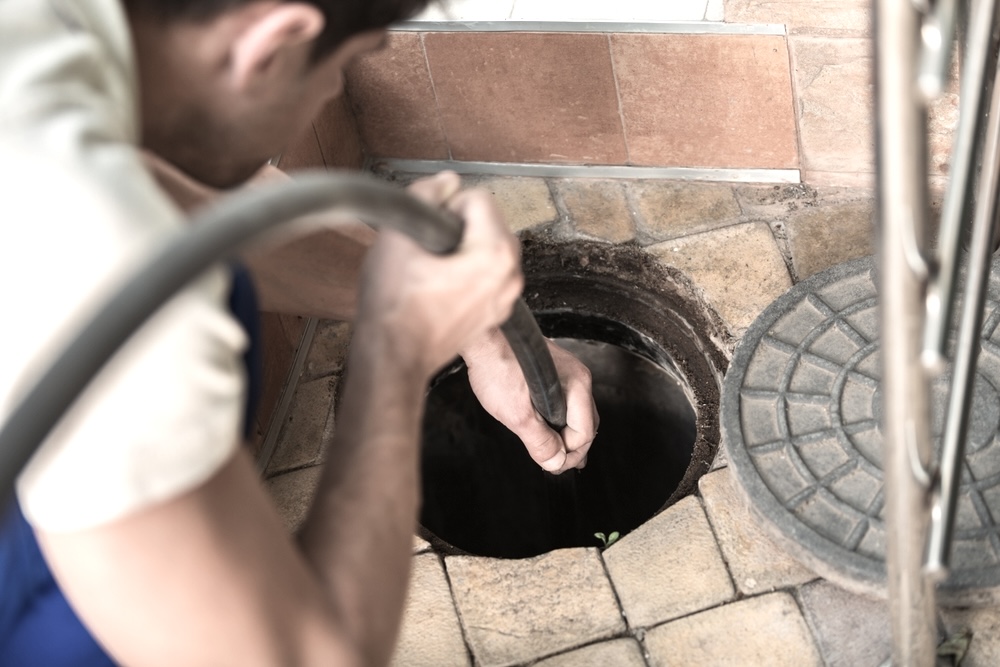
Recurring drain problems often need more than a quick opening through the center of a blockage. Traditional snaking can be effective for certain localized clogs, especially when a concentrated obstruction needs to be broken apart. However, grease, sludge, soap residue, mineral scale, and food debris can coat the inside of a drain or sewer line over time. In those situations, hydro jetting may provide a more thorough cleaning approach.
Our team evaluates the line before choosing equipment because the best method depends on pipe condition, blockage type, and where the restriction is located. Hydro jetting uses controlled high-pressure water to break apart buildup and flush loosened material from suitable piping. That difference matters when recurring clogs are caused by residue along the pipe walls rather than one isolated obstruction.
 Hydro Jetting Cleans More Of The Pipe Interior
A drain snake, or mechanical auger, works by reaching into the line and breaking through an obstruction. That can restore flow quickly when hair, food debris, or another localized blockage is responsible. The limitation is that an auger may create a pathway without removing material coating a wider section of pipe.
Our article on licensed plumbing expertise explains why professional diagnosis matters when drains, fixtures, or service lines affect a larger plumbing system.
Hydro jetting can be useful when technicians identify:
- Grease coating the inside of kitchen drain lines
- Sludge collecting through longer drain or sewer runs
- Mineral deposits reducing the usable pipe diameter
- Food residue trapped in existing grease buildup
- Recurring clogs that return after mechanical clearing
- Debris that needs to be flushed farther through the system
The high-pressure water reaches more of the pipe wall than a cable alone, helping remove the material that can catch new debris and cause another blockage.
Recurring Kitchen Clogs Often Need More Than A Narrow Opening
Kitchen drains are especially vulnerable to layered buildup. Cooking fats, oils, sauces, soap residue, and food particles can combine into a dense coating that gradually narrows the line. Snaking may break through the thickest part and restore drainage, but some of the sticky material can remain attached to the pipe.
Our guide to grease and debris explains how these materials behave differently and why the cleaning method should match what is actually inside the line.
Signs that deeper cleaning may be appropriate include:
- Slow drainage that returns after previous service
- Gurgling when sinks or connected fixtures drain
- Greasy or unpleasant odors from the drain
- Multiple kitchen fixtures slowing at the same time
- Backups that improve temporarily and then return
- Camera findings that show widespread wall buildup
Hydro jetting can wash grease, sludge, food residue, and some mineral deposits from a broader area of suitable pipe. That can leave less material behind to collect the next round of debris.
The Better Method Depends On Pipe Condition And The Actual Blockage
Hydro jetting is powerful, which is exactly why it should not be used automatically on every clogged drain. Older, damaged, fragile, or badly deteriorated piping may need a different approach. Tree-root intrusion, separated joints, cracked sections, or structural sewer problems can also require repair rather than aggressive cleaning.
A professional evaluation may include:
- Inspecting which fixtures are affected
- Reviewing how often the clog has returned
- Checking the age and material of the piping
- Using a sewer camera when deeper problems are suspected
- Selecting an auger for a concentrated obstruction
- Choosing hydro jetting when widespread buildup is confirmed
Camera inspection is particularly helpful when recurring backups suggest more than a simple fixture-level clog. It can reveal roots, trapped debris, corrosion, cracked pipe, low spots, or other conditions that affect the next step. That prevents hydro jetting from being treated as a universal solution.
Traditional snaking still has an important role. A mechanical auger can be efficient for a localized obstruction and may be the safer choice when pipe condition does not support high-pressure cleaning. The advantage of hydro jetting appears when the problem involves extensive buildup along the pipe walls and the piping is in suitable condition.
Professional technique also affects the result. Pressure, nozzle selection, hose movement, and the number of cleaning passes should match the line and the material being removed. Too little cleaning may leave buildup behind, while inappropriate pressure can place unnecessary stress on vulnerable piping.
For restaurants and other commercial properties, thorough drain cleaning can be especially important because heavier use can introduce larger amounts of grease and debris. Repeated backups can interrupt kitchens, restrooms, employees, and customers. A licensed plumber can evaluate the system as a whole and choose the cleaning method that restores flow while reducing avoidable disruption.
The goal is not simply to make water move again for the moment. Effective drain service should address why the restriction developed, determine whether the pipe itself is sound, and choose a method that gives the line the best chance of staying clear longer.
Clear More Than Just The Immediate Clog
If slow drains or recurring backups keep returning, contact Tweedy Plumbing and Restoration for professional drain inspection, hydro jetting, sewer-camera evaluation, and targeted cleaning based on your pipe condition.