Owning a home brings both comfort and responsibility. While insurance protects against financial loss, maintaining that protection depends on compliance with safety and maintenance standards. One often-overlooked factor that determines coverage eligibility is the insurance inspection. These assessments are not just formalities; they play a vital role in establishing a homeowner’s liability and determining how insurers respond when damage occurs.
A thorough insurance inspection helps ensure that plumbing, roofing, electrical, and structural systems meet safety codes and maintenance requirements. For plumbing-related claims in particular, the results can mean the difference between full coverage and an expensive denial.
 Understanding the Purpose of Insurance Inspections
Insurance companies conduct inspections to evaluate the overall condition of a property and the risks associated with it. The purpose is to verify that the home is being maintained properly and that its systems function safely. These inspections often occur when a new policy is issued, renewed, or following major repairs or upgrades.
A standard insurance inspection includes:
- Checking the age and condition of plumbing, electrical, and HVAC systems
- Inspecting for visible leaks, water damage, or corrosion
- Verifying that fixtures and piping meet local code standards
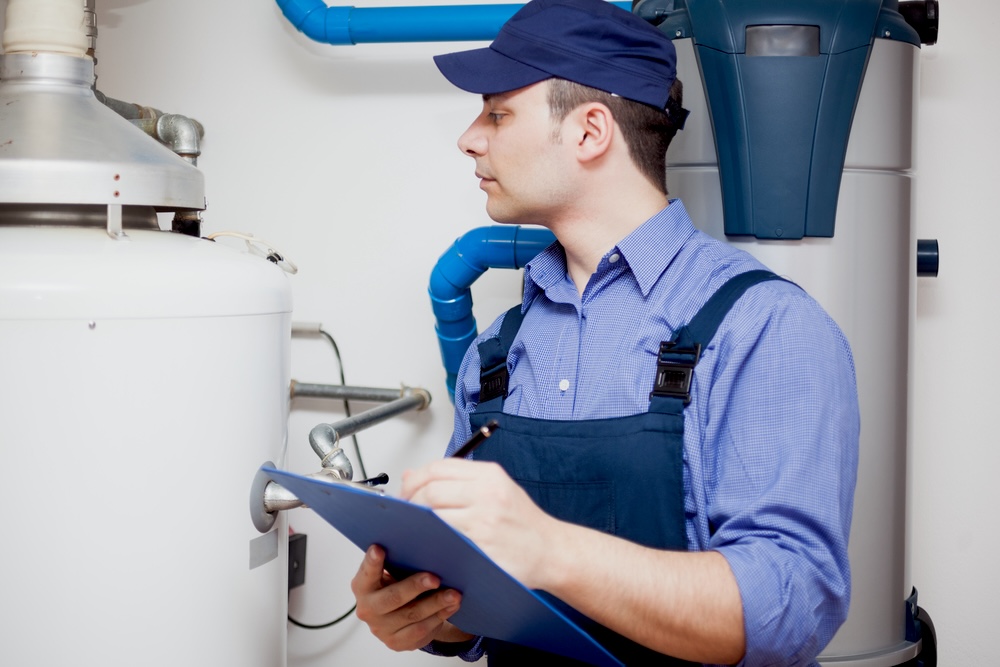
- Assessing the water heater for age, venting, and safety compliance
- Documenting any potential hazards that could increase claim risk
For plumbing-related inspections, professionals may also use pressure tests or camera scopes to detect hidden problems before they worsen. These preventive measures not only satisfy insurer requirements but also protect homeowners from unexpected system failures that lead to costly claims.
How Insurance Inspections Influence Liability
Liability in home insurance refers to who is legally responsible when damage or injury occurs on the property. The findings from an insurance inspection help determine whether the homeowner met their duty of care in maintaining the property. If an inspection reveals negligence, such as ignored leaks or outdated piping, the insurer may adjust coverage or deny certain claims.
Here’s how inspection results typically affect liability:
- Approved condition: The home is in good standing, confirming that maintenance meets the insurer’s standards.
- Conditionally approved: Minor issues are noted, but coverage continues as long as repairs are made promptly.
- Deferred approval: Major repairs or replacements are required before full coverage resumes.
- Denial of claim: If damage results from neglect or unreported issues, the insurer may deny the claim entirely.
Maintaining inspection compliance reduces the risk of liability disputes and ensures that claims are processed without delay. It also proves that the homeowner took reasonable steps to maintain a safe environment.
Common Plumbing Issues That Raise Red Flags
Plumbing problems are among the top causes of home insurance claims. During an insurance inspection, even minor defects can raise concern about long-term water damage or system failure. Homeowners should address these potential issues before inspection day:
- Undetected leaks: Small leaks under sinks or behind walls can lead to mold and structural deterioration.
- Aging pipes: Corrosion or outdated materials such as galvanized steel can compromise water quality and cause bursts.
- Low water pressure: This may indicate a hidden blockage, leak, or failing pressure regulator.
- Improper installations: Unpermitted plumbing work can violate code requirements and void coverage.
- Water heater issues: Rust, sediment buildup, or inadequate ventilation are common causes of inspection failure.
Scheduling preventive maintenance can prevent these findings from affecting coverage. Homeowners who wonder when to perform routine system checks can review the guide on how often to schedule maintenance to maintain compliance and avoid surprises during inspections.
Documentation and Communication with Insurers
Proper documentation plays a key role in protecting homeowners from liability disputes. After an insurance inspection, every report, repair record, and invoice becomes evidence of due diligence. When water or plumbing damage occurs, insurers rely on this information to determine if the problem was preventable or sudden.
To strengthen insurance records, homeowners should:
- Keep copies of all inspection reports, including photographs
- Document every plumbing repair or replacement with receipts
- Store both digital and printed copies for easy access during claims
- Schedule follow-up inspections after major repairs
- Maintain detailed reports from licensed contractors
A comprehensive paper trail demonstrates that the homeowner acted responsibly and met all maintenance expectations. For practical advice on creating these records, check our resource on documenting plumbing reports, which outlines how to prepare accurate files for future claims.
Why Licensed Professionals Are Essential for Compliance
Attempting to self-inspect or repair plumbing issues might seem cost-effective, but it can lead to problems when insurers review claims. DIY work rarely meets official code standards and lacks the licensing credentials insurers require for verification. Only a licensed professional can provide an inspection report recognized by insurance companies.
Professionals bring essential expertise that ensures:
- Accurate detection of leaks, pressure irregularities, and corrosion
- Compliance with local building and safety codes
- Detailed documentation accepted by insurers
- Preventive recommendations that reduce the risk of future damage
Beyond technical accuracy, professional inspections add legal protection. When a licensed plumber certifies that a system meets safety standards, the homeowner has a credible defense if an insurance claim is ever disputed. Inspections conducted by unlicensed individuals often lack this authority, placing the homeowner at risk.
Protect Your Coverage with Confidence
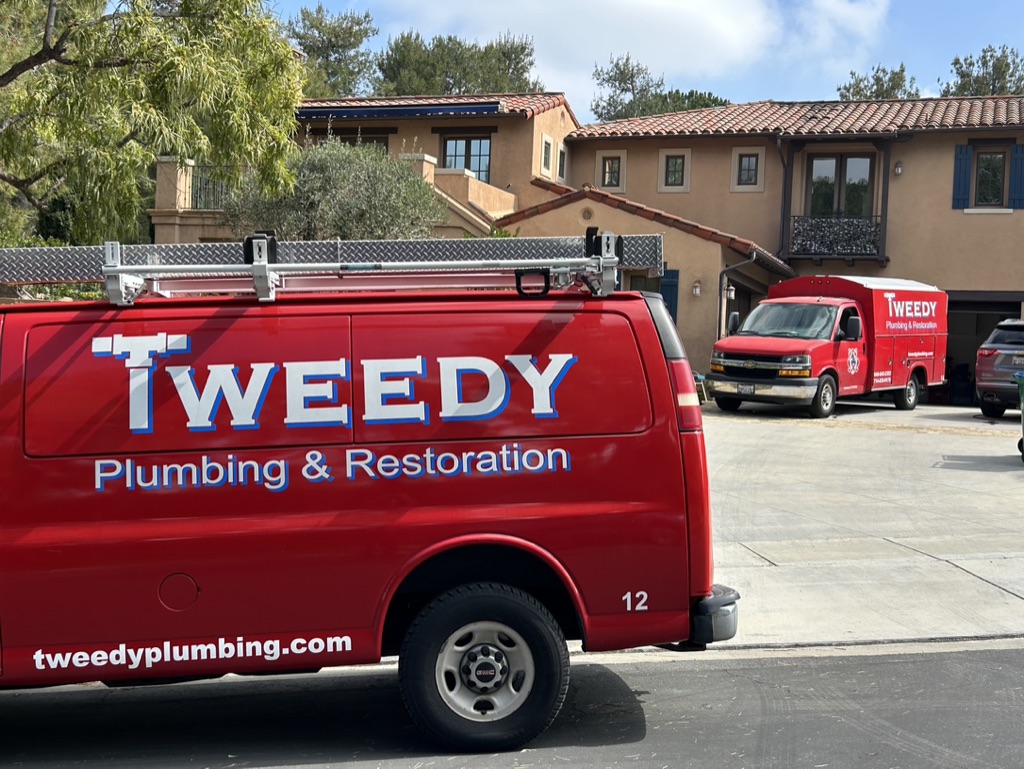
An insurance inspection is more than a procedural requirement; it’s a safeguard that ensures homeowners remain protected and compliant. By maintaining proper documentation and scheduling licensed evaluations, property owners minimize liability and ensure their coverage remains valid. For trusted inspections and expert plumbing assessments, contact Tweedy Plumbing and Restoration to schedule a certified service that keeps your home and insurance policy secure.