

Home plumbing systems work continuously behind the scenes, carrying water in and out every day. Because these systems operate quietly and out of sight, many homeowners overlook early warning signs of wear or hidden damage. An annual plumbing inspection provides a structured way to evaluate pipes, drains, fixtures, and water-based appliances before problems escalate. This yearly routine is one of the most cost-effective strategies for maintaining a safe, efficient, and long-lasting plumbing system.
Small issues that go unnoticed often develop into larger repairs. A slow drip, minor blockage, or aging connection point can cause significant water loss or structural damage over time. An annual plumbing inspection identifies these issues early, supporting long-term savings and reducing the likelihood of emergency repairs. With expert attention, homeowners gain a clear understanding of their plumbing health and avoid the expensive consequences of neglect.
Regular inspections also help preserve water efficiency, improve appliance performance, and support insurance compliance. Protecting your plumbing system means protecting your home and your financial investment.
 How Annual Inspections Reduce Long-Term Repair Costs
Plumbing problems rarely arise suddenly. Most issues progress slowly, beginning with small leaks, interior corrosion, or partial blockages. When these early warning signs go unnoticed, the resulting damage can become costly.
Annual plumbing inspection helps prevent expensive repairs by:
- Catching leaks before they cause structural or mold damage
- Identifying corrosion that can weaken pipes or fixtures
- Detecting early blockages that may lead to full drain failures
Leaks are among the most common causes of home water damage. A minor drip behind a wall can escalate into extensive drywall repair, flooring replacement, or mold remediation. Regular inspections help locate these hidden issues long before they reach that stage.
Corrosion inside older pipes can also go unnoticed until discoloration, low pressure, or pipe failure occurs. Detecting this early gives homeowners time to plan repairs rather than responding to an unexpected burst.
Blockages that begin as minor flow restrictions often develop into complete backups. Early detection prevents costly emergency services and property damage.
Homeowners can reference our advice on inspection quality to ensure their annual plumbing inspection is thorough and reliable.
Why Annual Inspections Protect Water Efficiency and Utility Bills
Water waste often goes unnoticed. Small leaks, inefficient fixtures, or partially failing valves can add up to significant utility costs over time. An annual plumbing inspection ensures that the system operates at optimal efficiency.
Water saving benefits include:
- Detecting toilet leaks that waste hundreds of gallons monthly
- Identifying faucet or shower inefficiencies that raise utility costs
- Ensuring water pressure and flow are properly balanced
Toilet leaks are among the most common sources of water waste. Even a slow leak can lead to hundreds of dollars in excess water charges each year. Annual inspections identify faulty flappers, internal tank issues, or worn seals that contribute to this problem.
Faucets and showerheads also degrade over time, reducing efficiency. Inspectors check for mineral buildup, worn components, or inconsistent flow patterns that affect performance.
Correct water pressure is equally important. Pressure that is too high strains pipes and appliances, while pressure that is too low reduces system performance. Annual evaluations ensure that regulators, valves, and pressure balancing components function properly.
Maintaining water efficiency directly supports household savings throughout the year.
How Yearly Inspections Extend the Life of Plumbing Appliances
Plumbing appliances such as water heaters, dishwashers, water filters, and washing machines rely on proper water flow and consistent system health. When these conditions are compromised, appliance lifespan shortens significantly. Annual plumbing inspection protects these investments by ensuring that the surrounding infrastructure supports optimal performance.
Yearly inspections help extend appliance life by:
- Checking water heater sediment levels and temperature settings
- Identifying supply line issues affecting dishwashers or washing machines
- Ensuring drain lines are clear to prevent backflow problems
Water heaters accumulate sediment over time, reducing heating efficiency and increasing energy use. Annual inspections help determine when service is needed, preventing strain or premature failure.
Appliances connected to aging supply lines are especially vulnerable. Flexible hoses can crack or burst, leading to water damage and costly replacement. Inspectors evaluate hose condition, connection points, and potential risks.
Drain line issues affect the efficiency of appliances that rely on proper discharge. Early detection prevents clogs that cause standing water or backflow, which can damage internal components.
A healthy plumbing system supports longer appliance life and reduces long-term replacement costs.
Why Professional Inspections Support Insurance and Compliance
Home insurance providers increasingly require proof of proper plumbing maintenance, especially in older homes or properties with previous water damage claims. An annual plumbing inspection documents system health and demonstrates responsible upkeep.
Professional inspection supports compliance by:
- Providing documentation for insurance requirements or future claims
- Identifying safety issues that may affect coverage
- Ensuring system components meet modern standards
Insurance companies often ask for plumbing verification when assessing risk. A documented annual inspection provides reassurance that the home has been properly maintained. This can support claim approval in the event of water damage.
Safety issues, such as aging water heaters or corroded supply lines, may also impact coverage. Annual inspections help homeowners correct these concerns before they affect insurance eligibility. Our guide on licensed inspection benefits further explains the importance of compliance.
Meeting professional standards protects homeowners not only from unexpected failures but also from potential coverage disputes.
When DIY Attempts Fall Short and Professional Insight Matters Most
While minor maintenance tasks can be handled by homeowners, diagnosing a plumbing system requires technical expertise, specialized equipment, and a trained understanding of how hidden components function. DIY evaluations often miss underlying issues that only emerge during a thorough inspection.
Professional insight is crucial because:
- Inspectors use diagnostic tools not available to homeowners
- Many plumbing problems develop behind walls or under flooring
- Certified professionals can identify risks before they escalate
Thermal sensors, camera scopes, and pressure gauges offer visibility into areas homeowners cannot access. These tools reveal leaks, corrosion, or compromised joints hidden inside the structure.
Professionals also understand how small symptoms connect to larger plumbing patterns. For example, low water pressure in one room may indicate a developing blockage in another part of the system.
An annual plumbing inspection performed by a qualified specialist ensures accuracy, safety, and long-term protection.
When Your Plumbing Needs Yearly Assurance
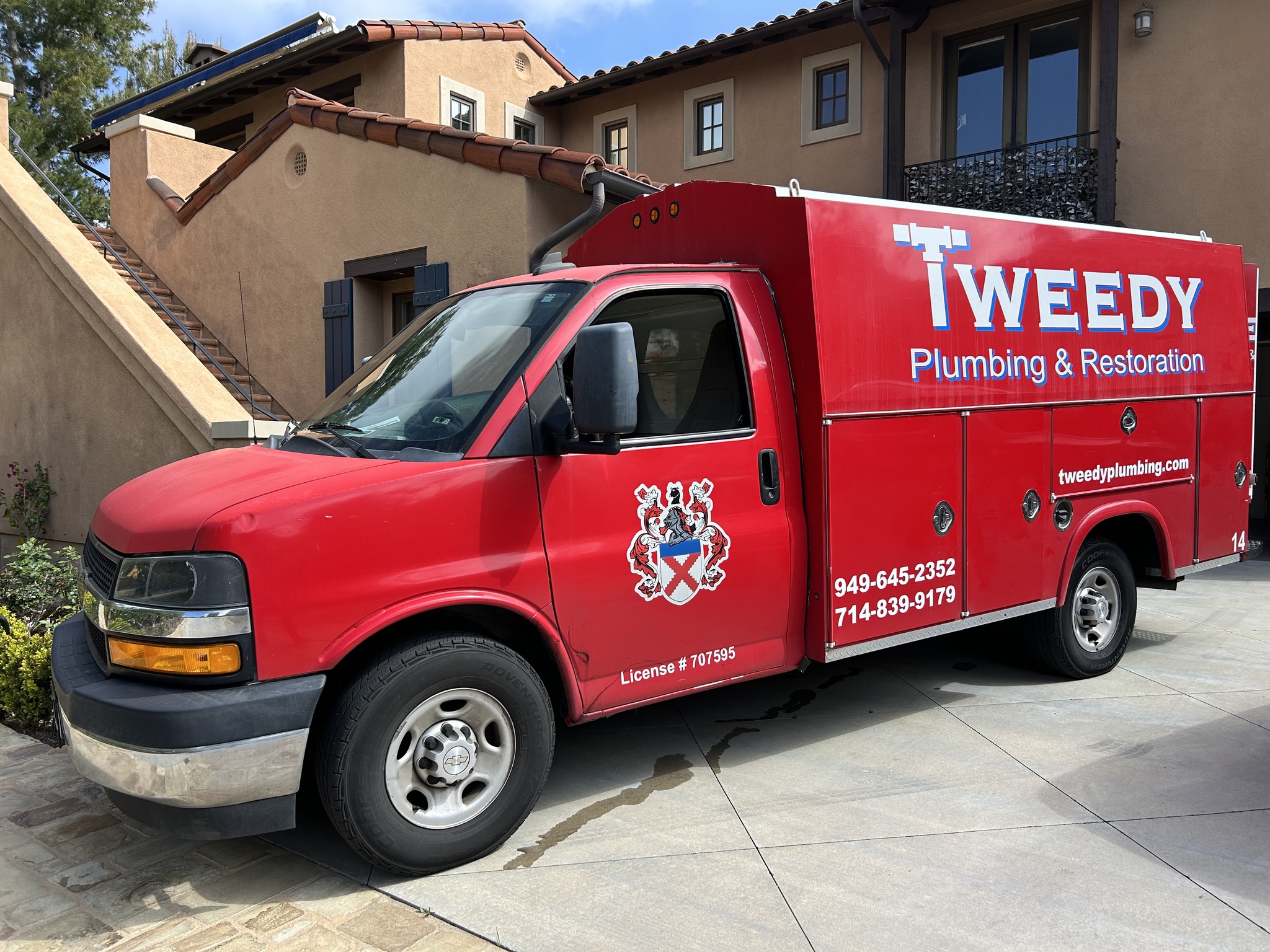
If you want to reduce repair costs and protect your home from hidden plumbing issues, yearly evaluations are essential. Contact us at Tweedy Plumbing and Restoration for comprehensive inspection services that safeguard your home and your budget year after year.