

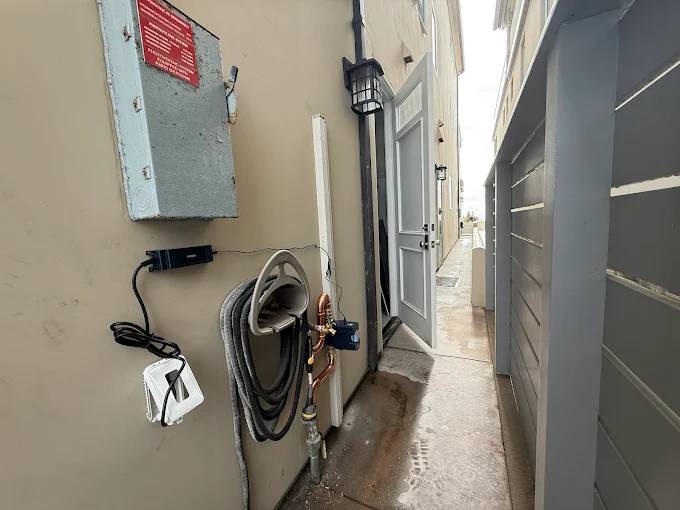
Water damage remains one of the most costly and disruptive problems a home can face. From slow leaks behind walls to sudden pipe failures, uncontrolled water flow can spread quickly and compromise flooring, drywall, cabinetry, and electrical systems. Because of that risk, many municipalities have started evaluating whether an automatic water shutoff valve should be required in residential construction or during major plumbing changes.
From an expert perspective, the answer is rarely a simple yes or no. Local requirements vary by jurisdiction and are often influenced by regional climate, public infrastructure concerns, and how local building departments adopt or amend model plumbing codes. Understanding how these rules work in practice helps homeowners avoid compliance mistakes while making informed decisions about long-term protection.
How local plumbing codes influence valve requirements
Plumbing regulations are typically enforced at the city or county level, even when a jurisdiction references national model codes. Local authorities may adopt these standards as written, revise them, or add local amendments based on area-specific risks. Those choices directly affect whether an automatic water shutoff valve is mandatory, recommended, or not addressed at all.
Many jurisdictions base requirements on factors such as:
- Whether the project is new construction or an existing home upgrade
- The scope of work, such as whole-home repipes versus fixture replacements
- Local water authority initiatives for conservation and loss prevention
- Inspection practices and enforcement priorities
Because local adoption can change from one code cycle to another, homeowners should avoid relying on general assumptions. It is important to verify requirements based on the project type and the specific city or county where the home is located.
Situations where automatic shutoff valves may be required
Even when a city does not require an automatic water shutoff valve for every property, certain scenarios can increase the likelihood of a mandate. These are usually tied to risk reduction, prevention planning, and limiting large-scale water loss that can affect both homeowners and municipal resources.
Common circumstances include:
- New residential construction, especially in areas emphasizing water loss prevention
- Major remodels that trigger updated plumbing code compliance
- Plumbing system replacements that require permit inspection
- Properties with specific risk exposure, such as freeze-prone areas
In these cases, local building departments may look for additional protective measures that reduce the chance of catastrophic water events. Understanding valve compliance rules can help clarify how safety devices, shutoff requirements, and inspection expectations may apply in real installations.
Why requirements differ from city to city
Automatic shutoff valve policies vary because cities face different plumbing risks. Climate is a major factor. Areas with freezing temperatures may prioritize fast shutoff response for burst pipes. Other regions may focus on slab leaks, aging supply lines, or older housing stock that experiences more frequent leak events.
Local priorities are also shaped by:
- The age and condition of regional infrastructure
- Housing density and how quickly water damage can spread in adjacent units
- Local insurance loss trends and regional claim patterns
- Whether local code officials have adopted recent protective standards
Two neighboring jurisdictions can enforce different rules even if both reference similar model codes. This is why checking only general building code summaries can lead to incorrect conclusions. Professional evaluation helps interpret local requirements accurately and avoids delays caused by failed inspections or missed compliance elements.
How professionals evaluate whether a home needs one
Determining whether an automatic water shutoff valve is required, recommended, or simply beneficial depends on more than reading a code reference. Professionals evaluate the home as an interconnected system, considering both compliance and practical risk.
Evaluation often includes:
- Reviewing local permitting requirements and inspection triggers
- Assessing pipe materials, system age, and known weak points
- Identifying vulnerable areas such as basements, crawl spaces, and laundry zones
- Considering occupancy patterns that may increase exposure during long absences
Professional insight also helps ensure any installed device integrates properly with existing plumbing. Not every home layout supports the same device placement or sensor strategy. Choosing equipment and positioning it correctly affects reliability, system response time, and long-term performance. Using a structured approach like quality inspection selection helps homeowners understand what a thorough evaluation should include before making compliance-driven installation decisions.
Benefits of compliance beyond meeting code
Even when an automatic water shutoff valve is not mandated, many homeowners choose to add one as part of a broader protection plan. The value is not only in meeting a regulation. It is also in reducing how far damage can spread when a leak occurs.
Benefits often include:
- Faster response when abnormal flow is detected
- Reduced severity of water damage from supply failures
- Added confidence during travel or vacancy periods
- Support for long-term property preservation planning
However, these benefits depend on correct installation and proper calibration. If a device is poorly integrated, it can shut off unnecessarily or fail to respond during a real event. Professional installation and verification help ensure performance matches the system design and the home’s risk profile.
Why professional guidance matters for compliance decisions
Code language can be technical, and enforcement varies based on local inspection practices. Professional guidance helps homeowners interpret requirements accurately, select appropriate equipment, and prepare for inspection expectations.
Experts understand how local rules apply to specific project scopes and can identify whether a valve requirement is tied to permits, remodel thresholds, or water service standards. They also help prevent common mistakes, such as installing a device that does not meet local acceptance standards or placing components in locations that complicate future service.
A professional approach is not about overcomplicating the process. It is about improving accuracy, reducing risk, and ensuring that compliance decisions support real-world performance in the home.
Make informed choices about water protection
Local rules for automatic water shutoff valves vary, but knowing what applies to your home is essential for compliance and peace of mind. For expert guidance on evaluation and installation, contact Tweedy Plumbing and Restoration to discuss options based on your property and local requirements.