
Sewer backups are among the most disruptive plumbing issues a property can experience. They bring wastewater back into living spaces, introducing contamination, structural damage, and long-lasting health concerns. From an expert perspective, sewer backups are rarely sudden or unpredictable. In most cases, they result from developing problems that go unnoticed until the system can no longer cope.
Because sewer systems handle waste from multiple fixtures and appliances, failures affect more than one area of the home at once. Floors, walls, furniture, and personal belongings may all be exposed in a single event. Understanding why sewer backups occur and why they are so dangerous helps explain the importance of prevention and timely professional intervention.
 How Sewer Backups Develop Over Time
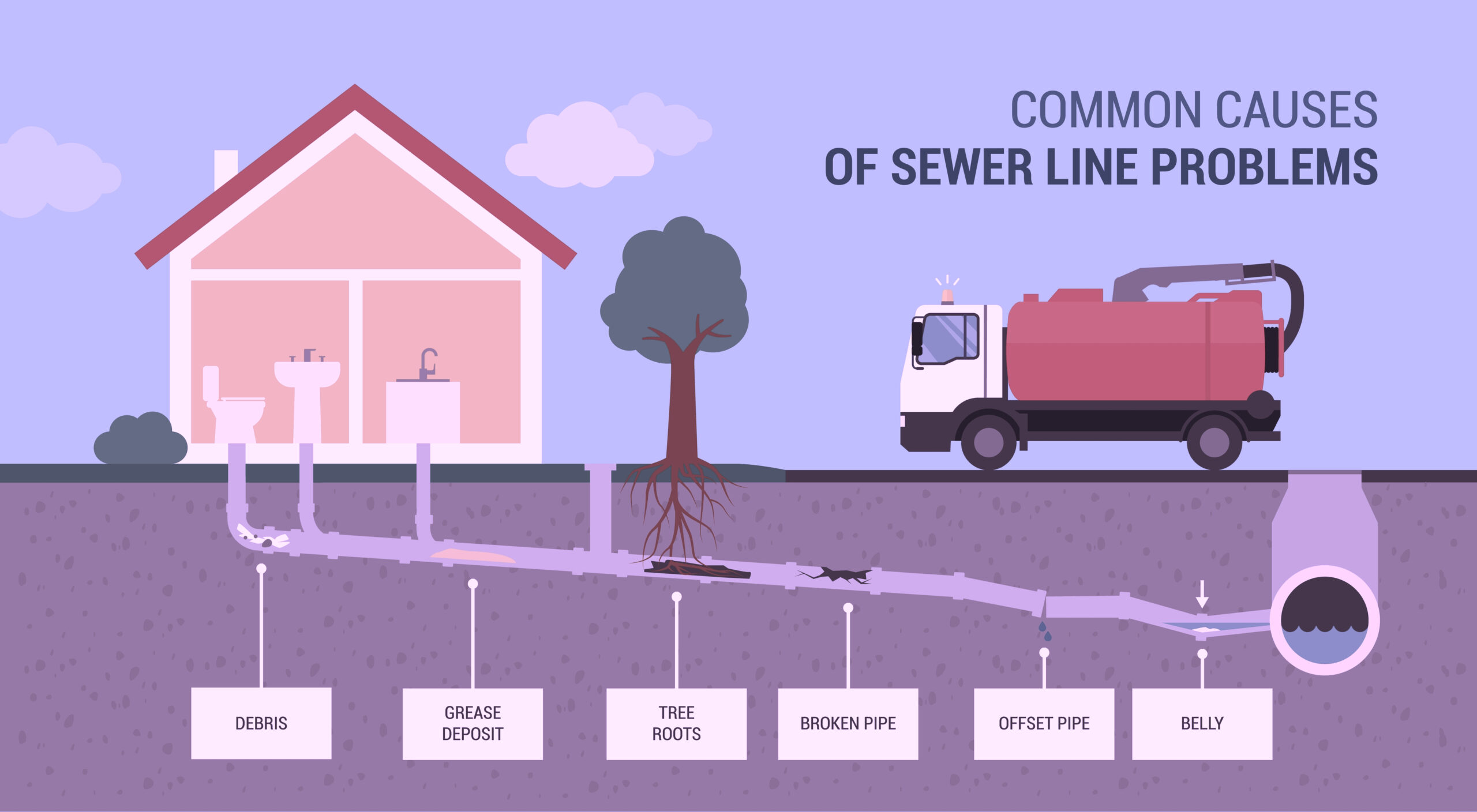
Sewer backups usually form gradually as restrictions build within the plumbing system. These restrictions may originate inside the home, within the main sewer line, or farther down the connection to municipal systems.
- Accumulated debris such as grease, soap residue, and foreign materials
- Tree root intrusion that penetrates underground sewer lines
- Pipe deterioration caused by age, corrosion, or shifting soil
- Sudden heavy water use that overwhelms partially blocked lines
As these issues worsen, wastewater loses its ability to flow freely away from the property. When resistance becomes too great, sewage seeks the lowest available exit, often through drains, toilets, or tubs. Sewer backups do not resolve themselves, and repeated stress increases the likelihood of future events.
Health Hazards Associated With Sewer Backups
The health risks linked to sewer backups extend far beyond unpleasant odors. Wastewater contains bacteria, viruses, and parasites that pose serious exposure concerns.
- Pathogens and microorganisms that can cause gastrointestinal illness
- Airborne contaminants released as sewage dries and particles become airborne
- Skin and respiratory irritation from direct contact or lingering residue
- Mold growth triggered by prolonged moisture exposure
Children, older adults, and individuals with compromised immune systems face heightened risk. Even after visible sewage is removed, contamination can remain within porous materials such as drywall, flooring, and insulation. Professional assessment is often required to ensure proper sanitation and protect indoor air quality.
Structural And Financial Damage To Property
Sewer backups can compromise a home’s structure in ways that are not immediately visible. Wastewater saturation weakens building materials and accelerates deterioration.
- Warped flooring and subfloor damage from prolonged moisture
- Drywall and insulation breakdown inside walls
- Electrical system exposure increasing fire and shock risk
- Foundation stress from repeated saturation
The financial impact can escalate quickly. Cleanup, restoration, and replacement costs often exceed initial expectations, especially if damage spreads beyond the immediate area of overflow. Preventive maintenance plays a key role in limiting these risks. This overview of routine plumbing care explains how scheduled attention helps identify developing issues before they result in major system failure.
Why Sewer Backups Often Go Unnoticed Until It Is Too Late
One of the most dangerous aspects of sewer backups is how quietly the conditions develop. Early warning signs may be subtle or mistaken for minor inconveniences.
- Slow-draining fixtures in multiple areas of the home
- Gurgling sounds from drains or toilets
- Recurring odors that come and go without a clear source
- Water level fluctuations in toilets or floor drains
Because these symptoms may appear intermittently, they are often ignored. However, each sign indicates increasing stress within the sewer system. Professional inspections help clarify whether these symptoms reflect localized issues or broader system risk. Guidance on selecting proper evaluation services is outlined in this resource on inspection quality, which highlights what thorough assessments should include.
The Role Of Professional Intervention In Prevention
Preventing sewer backups requires more than responding to emergencies. Professional plumbing services focus on identifying vulnerabilities and correcting them before failure occurs.
Professionals use diagnostic tools to assess line condition, locate blockages, and evaluate pipe integrity. This allows targeted solutions rather than guesswork. Just as important is documentation, which helps track system changes over time and supports informed maintenance decisions.
Professional intervention also considers usage patterns. Homes with aging pipes, large households, or heavy water demand face a higher risk and benefit from proactive planning. Addressing these factors early reduces strain on the sewer system and lowers the chance of sudden backup.
Sewer backups represent a convergence of health risk, property damage, and financial loss. Once they occur, recovery is complex and disruptive. Prevention, guided by professional insight, offers a far safer and more cost-effective path.
Understanding the risks associated with sewer backups helps homeowners appreciate why early action matters. By recognizing warning signs and investing in proper evaluation, many backups can be avoided entirely.
Protect Your Home Before Problems Surface
Sewer backups place both health and property at serious risk when left unaddressed. Contact Tweedy Plumbing and Restoration to schedule a professional assessment and take proactive steps toward protecting your home and family.