

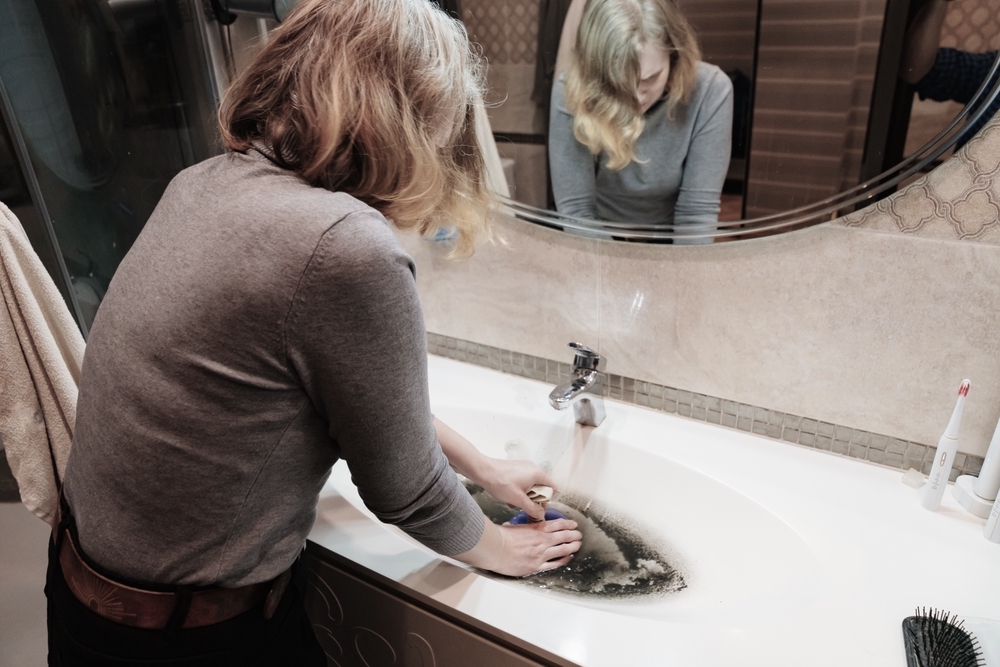
A slow drain is often dismissed as a minor inconvenience. Water pools in the sink, the shower drains sluggishly, and a quick trip to the store for a chemical cleaner feels like a simple fix. In reality, recurring slow drainage is usually a warning sign of a larger issue within the system.
From our perspective in professional plumbing, slow drains are symptoms, not root problems. Chemical cleaners may temporarily improve flow, but they rarely resolve the underlying blockage. More importantly, they can damage pipes and create long-term risks that cost more to correct.
What a Slow Drain Is Really Telling You
Drainage systems are designed to move wastewater efficiently away from fixtures and into the main sewer line. When flow slows, it signals resistance somewhere within the system.
Common underlying causes include:
- Accumulated grease and soap residue along pipe walls
- Hair and debris compacted in trap bends
- Mineral buildup restricting pipe diameter
- Tree root intrusion in underground lines
- Structural pipe shifts or cracks
Each of these conditions requires proper diagnosis. Pouring chemicals into a drain does not remove tree roots, correct pipe misalignment, or fully clear hardened buildup. Instead, it may partially dissolve softer material while leaving dense obstructions intact.
In many cases, repeated chemical use pushes debris further down the line, increasing the risk of a major blockage deeper in the system.
The Hidden Damage Caused by Chemical Cleaners
Chemical drain cleaners rely on caustic or acidic reactions to break down clogs. While marketed as safe for home use, these substances can have unintended effects on plumbing systems.
Potential risks include:
- Corrosion of metal pipes over time
- Softening or weakening of PVC joints
- Heat damage caused by chemical reactions
- Residue buildup that attracts future debris
- Harmful fumes within enclosed spaces
Many chemical products generate heat as they react with organic matter. That heat can warp pipe interiors or weaken aging joints. In older homes, repeated chemical use may accelerate the deterioration of galvanized or cast-iron lines.
Even if the product temporarily clears standing water, it rarely restores the pipe to full diameter. Residual buildup remains along pipe walls, ready to trap new debris.
For deeper system blockages, chemical cleaners are ineffective. When wastewater begins backing up into fixtures, the issue may extend into the main sewer line. Our discussion of sewer backup risks explains how untreated blockages can escalate into health and property concerns.
Why Professional Plumbing Addresses the Root Cause
Effective drain repair begins with an accurate assessment. Professional plumbing services use diagnostic tools to locate and identify the specific cause of slow drainage.
Comprehensive evaluation may include:
- Camera inspections to view internal pipe conditions
- Locating obstructions within branch lines or sewer mains
- Identifying root intrusion or collapsed sections
- Assessing buildup thickness along pipe walls
- Verifying proper slope and pipe alignment
With a clear diagnosis, treatment can target the true obstruction. In many cases, hydro jetting provides a thorough solution. High-pressure water removes grease, sludge, and debris from the entire pipe interior, restoring capacity rather than creating a narrow opening through the clog.
For a detailed explanation of this approach, read our blog post on how hydro jetting works to understand how full-pipe cleaning differs from chemical reaction methods.
Professional solutions not only clear existing blockages but also reduce recurrence by restoring pipe flow to near-original condition.
Slow Drains and the Risk of Larger System Failure
A slow sink or tub drain may seem isolated, but plumbing systems are interconnected. A partial obstruction in one section can indicate pressure buildup elsewhere.
Warning signs that slow drains are becoming serious include:
- Gurgling sounds in nearby fixtures
- Multiple drains slowing at once
- Foul odors from sinks or showers
- Water backing up in the lower-level drains
- Fluctuating toilet water levels
When several fixtures are affected, the blockage may lie in the main sewer line. Chemical cleaners cannot reach these deeper obstructions effectively. Attempting repeated treatments may delay proper intervention while damage continues beneath the surface.
Slow drains can also increase stress on joints and seals. When water struggles to pass through a narrowed pipe, pressure builds. Over time, this stress may contribute to leaks behind walls or beneath slabs.
A professional plumbing assessment identifies these risks early, preventing emergency repairs and water damage restoration.
The Long-Term Value of Corrective Service
Drain systems are designed to function for decades when maintained properly. Addressing slow drains through professional evaluation protects both the plumbing infrastructure and the property itself.
Long-term benefits of professional intervention include:
- Full removal of buildup rather than partial clearing
- Protection of pipe materials from corrosive exposure
- Early detection of structural issues
- Reduced likelihood of emergency sewer backups
- Improved overall system efficiency
Rather than reacting to recurring slowdowns, a comprehensive approach restores performance and reduces future service frequency.
While chemical cleaners may appear cost-effective, repeated purchases add up. More importantly, they do not address structural causes. Over time, untreated buildup and hidden damage can lead to far more expensive repairs.
From our experience, early professional assessment consistently results in less disruption and lower long-term cost.
Take the Smarter Route to Reliable Drainage
If slow drains are becoming a pattern, it is time to look beyond temporary solutions. Contact Tweedy Plumbing and Restoration for expert evaluation and lasting drain solutions backed by professional plumbing experience.