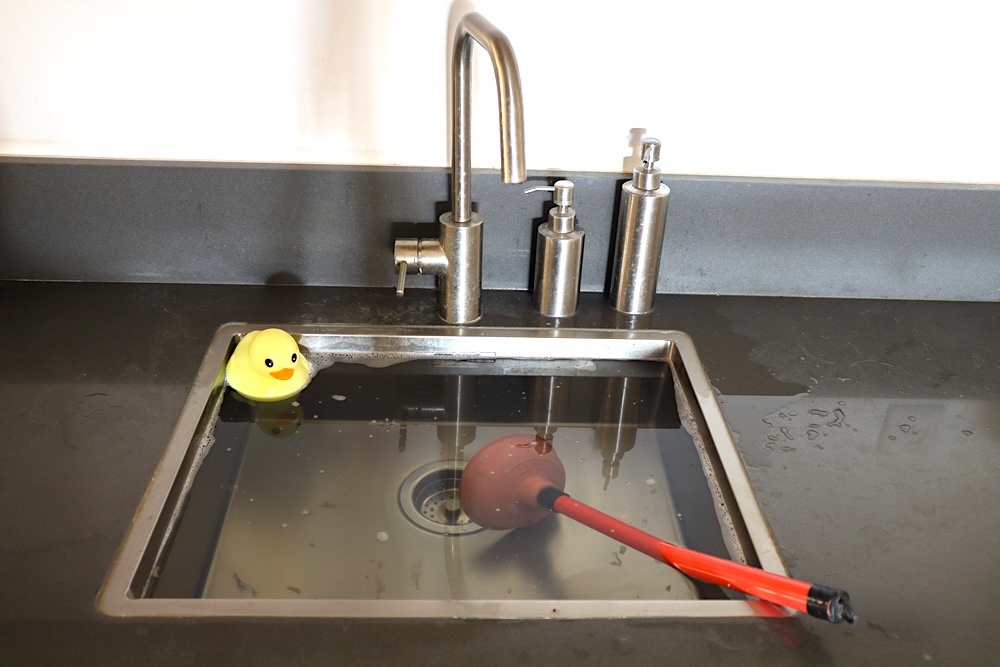
Drain blockages are one of the most common plumbing issues in both homes and commercial buildings. When water slows or backs up, it often signals that debris has accumulated somewhere within the plumbing system. Over time, grease, soap residue, mineral deposits, and other materials cling to the inside of pipes and gradually restrict water flow.
Professional plumbers use several techniques to address these issues. Two of the most widely used methods are traditional drain cleaning and hydro jetting. While both approaches aim to restore proper drainage, they work in very different ways and deliver different levels of effectiveness. Understanding these differences helps property owners make informed decisions when persistent drain problems arise.
 Understanding Traditional Drain Cleaning Methods
Traditional drain cleaning refers to mechanical techniques that remove blockages from pipes. These methods have been used for decades and remain useful for certain types of clogs.
Professional plumbers often rely on tools such as drain augers or plumbing snakes to break apart obstructions and restore water flow.
Common characteristics of traditional drain cleaning include:
- A rotating cable or auger inserted into the pipe to break through clogs
- Mechanical force used to push or pull debris away from the blockage
- Effective removal of localized obstructions such as hair, food debris, or paper buildup
- Quick relief for minor clogs that have formed near the drain opening
- Limited cleaning of pipe walls beyond the immediate blockage area
While these methods can reopen a blocked pipe, they typically focus on the main obstruction rather than cleaning the entire interior surface of the pipe. Residue may remain along the pipe walls, which can allow buildup to return over time.
Traditional cleaning tools still play an important role in plumbing maintenance, especially when plumbers need to remove isolated blockages before performing deeper system evaluations.
How Hydro Jetting Works Inside Plumbing Systems
Hydro jetting represents a more advanced approach to drain cleaning. Instead of using mechanical cables, this method relies on high-pressure water streams to clear debris from pipes.
Specialized equipment sends water through a hose and nozzle at extremely high pressure. The force of the water breaks apart the buildup and flushes debris completely out of the pipe system.
Hydro jetting is capable of addressing a wide variety of drainage problems, including:
- Thick grease accumulation along the kitchen drain lines
- Hardened mineral deposits inside older plumbing systems
- Organic sludge and residue that form over time
- Tree root intrusion in underground sewer lines
- Sediment and debris that collect deep within pipes
Unlike traditional methods that focus on a single obstruction, hydro jetting cleans the entire interior surface of the pipe. The high-pressure water scours pipe walls and removes materials that would otherwise remain behind.
Professional plumbers often rely on this method when repeated clogs indicate deeper buildup inside the plumbing system. The process not only restores flow but also helps prevent future blockages by removing layers of residue.
More detailed explanations of the process appear in discussions about hydro jetting drain flow, which describe how pressurized water clears debris throughout the entire pipe system.
Comparing Effectiveness Between The Two Methods
Although both methods serve the purpose of clearing drains, their effectiveness can vary depending on the condition of the plumbing system and the type of blockage present.
Traditional drain cleaning is typically used when the goal is to reopen a blocked pipe quickly. Hydro jetting, on the other hand, is often chosen when deeper cleaning is required.
Important differences between the two approaches include:
- Traditional cleaning removes a specific clog, while hydro jetting cleans the entire pipe interior
- Mechanical augers may leave residue behind, while hydro jetting washes debris completely away
- Hydro jetting can remove grease, sludge, and mineral buildup that traditional tools may not fully eliminate
- Traditional methods may be sufficient for minor clogs, while hydro jetting addresses recurring blockages
- Hydro jetting often provides longer-lasting results because buildup is removed more thoroughly
These differences explain why plumbers often recommend hydro jetting when clogs appear repeatedly in the same drain line. Persistent slow drainage may indicate layers of buildup that require more comprehensive cleaning.
Early warning signs, such as recurring slow drainage, should not be ignored. Discussions about slow drain pro attention explain why ongoing drainage problems often require professional evaluation rather than temporary solutions.
Situations Where Hydro Jetting Is Often Recommended
While hydro jetting can be extremely effective, it is not always the first step in every plumbing service. Professional plumbers usually evaluate the condition of the pipes before deciding which method is appropriate.
Camera inspections are often performed beforehand to ensure the pipes can safely withstand the water pressure used during hydro jetting.
Hydro jetting may be recommended in situations such as:
- Recurring clogs that return after traditional drain cleaning
- Heavy grease buildup inside kitchen drain lines
- Tree root intrusion in sewer systems
- Severe sludge accumulation in older plumbing lines
- Persistent odors caused by organic residue trapped in pipes
These conditions often indicate that debris has built up along large portions of the pipe interior. In these cases, simply breaking through the clog may not provide long-term relief.
By cleaning the entire pipe system, hydro jetting restores full flow capacity and reduces the likelihood of future blockages.
The Importance Of Professional Evaluation Before Drain Cleaning
Choosing between hydro jetting and traditional drain cleaning requires an accurate understanding of what is happening inside the pipes. Without proper inspection, it can be difficult to determine the true cause of a clog.
Professional plumbers rely on specialized diagnostic tools to evaluate the condition of plumbing systems before recommending a solution. Video camera inspections help identify issues such as collapsed pipes, root intrusion, heavy grease buildup, or structural damage.
This information allows technicians to select the safest and most effective cleaning method. In some cases, traditional mechanical cleaning may be the most appropriate option. In others, hydro jetting may provide the most thorough and lasting results.
Attempting to resolve persistent drainage issues without professional evaluation can lead to incomplete repairs and recurring problems. Accurate diagnosis ensures that the underlying cause of the blockage is properly addressed.
Restore Strong Drain Flow With Expert Help
Drain problems rarely improve without the right solution. Whether the issue involves stubborn buildup, recurring clogs, or slow drainage, professional evaluation can determine whether hydro jetting or traditional cleaning will deliver the best results.
For expert assistance with professional drain services and advanced plumbing diagnostics, contact Tweedy Plumbing and Restoration to restore proper flow and maintain a reliable plumbing system.