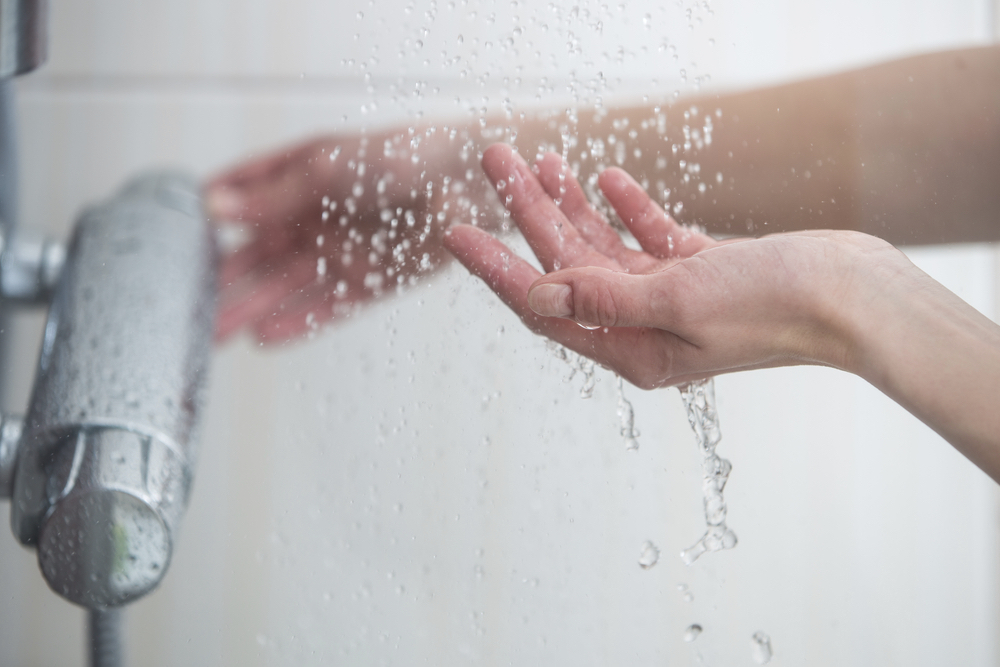
A water filter is designed to improve water quality by trapping sediment, debris, and contaminants before they reach fixtures and appliances. When it begins to clog frequently, it often signals more than just routine wear. Repeated clogging can point to underlying issues within the plumbing system or water supply.
From an expert perspective, a water filter that clogs too quickly should not be viewed as a standalone problem. It is usually an indicator of conditions that need to be evaluated more closely. Understanding the cause helps ensure that the system functions efficiently and that water quality remains consistent.
Common Reasons A Water Filter Clogs Too Often
Frequent clogging is typically caused by an increase in particles or conditions that overwhelm the filter’s capacity. Identifying these causes is the first step toward resolving the issue.
- High sediment levels in water. Sand, dirt, and debris from the water supply can accumulate quickly inside the filter.
- Aging plumbing systems. Older pipes may release rust or scale, contributing to faster buildup within the filter.
- Mineral-heavy water. Hard water can leave deposits that restrict flow and reduce filter efficiency.
- Disturbances in the water line. Construction or repairs nearby can introduce additional debris into the system.
- Incorrect filter type. Using a filter that is not suited for the specific water conditions can lead to frequent clogging.
These factors often work together, making it important to evaluate the entire system rather than focusing only on the filter itself.
How Plumbing Conditions Affect Filter Performance
The performance of a water filter is closely tied to the condition of the plumbing system. Issues within pipes and fixtures can directly influence how quickly a filter becomes clogged.
- Pipe corrosion releases particles. Rust and scale from aging pipes enter the water flow and collect in the filter.
- Fluctuating water pressure impacts flow. Sudden changes in pressure can push more debris through the system.
- Accumulated buildup in pipes. Over time, deposits inside pipes can break loose and travel toward the filter.
- Poor maintenance of drainage systems. Conditions discussed in this guide on clean drain practices show how overall system care affects performance.
- System age and wear. Older plumbing systems are more likely to introduce contaminants that affect filtration.
Understanding how these conditions interact helps explain why filters may clog faster than expected.
Signs That Indicate A Larger Issue
While frequent clogging is a clear sign of a problem, there are other indicators that may suggest deeper concerns within the system.
- Reduced water pressure throughout the home may signal restricted flow caused by buildup.
- Discolored water can indicate rust or sediment entering the supply.
- Unusual taste or odor may point to contaminants not being effectively filtered.
- The frequent need for filter replacement suggests that the system is under strain.
- Changes in overall plumbing performance may reflect broader system issues. This becomes more evident when reviewing the factors outlined in this resource on plumbing system condition.
Recognizing these signs early helps prevent more significant complications over time.
Why Replacing The Filter Alone May Not Solve The Problem
It may seem logical to simply replace a clogged water filter, but doing so without addressing the underlying cause often leads to repeated issues.
- The source of debris remains active. New filters will continue to clog if sediment levels are not reduced.
- Plumbing conditions stay unchanged. Corrosion or buildup within pipes will continue to affect water quality.
- Pressure imbalances persist. Without adjustment, water flow may continue to carry excessive particles.
- Temporary solutions create ongoing costs. Frequent replacements can become inefficient over time.
- System performance remains inconsistent. Without proper evaluation, the issue may worsen rather than improve.
Addressing the root cause ensures that the filtration system operates as intended rather than being overwhelmed repeatedly.
Long-Term Solutions For Better Water Filtration
Resolving frequent clogging requires a comprehensive approach that looks beyond the filter itself. Long-term solutions focus on improving overall system conditions.
- Evaluating water quality helps determine the type and level of contaminants present.
- Upgrading filtration systems ensures that the setup matches the specific needs of the property.
- Inspecting plumbing components identifies areas that may be contributing to debris.
- Maintaining consistent water pressure supports stable system performance.
- Implementing regular system checks helps prevent recurring issues.
A structured approach helps maintain both water quality and system efficiency over time.
Restore Balance To Your Water System
A frequently clogged water filter is often a sign of deeper issues that require careful evaluation. Addressing the cause ensures better performance and long-term reliability.
For a thorough inspection and effective solutions, contact Tweedy Plumbing and Restoration and take the next step toward a cleaner, more efficient water system.