

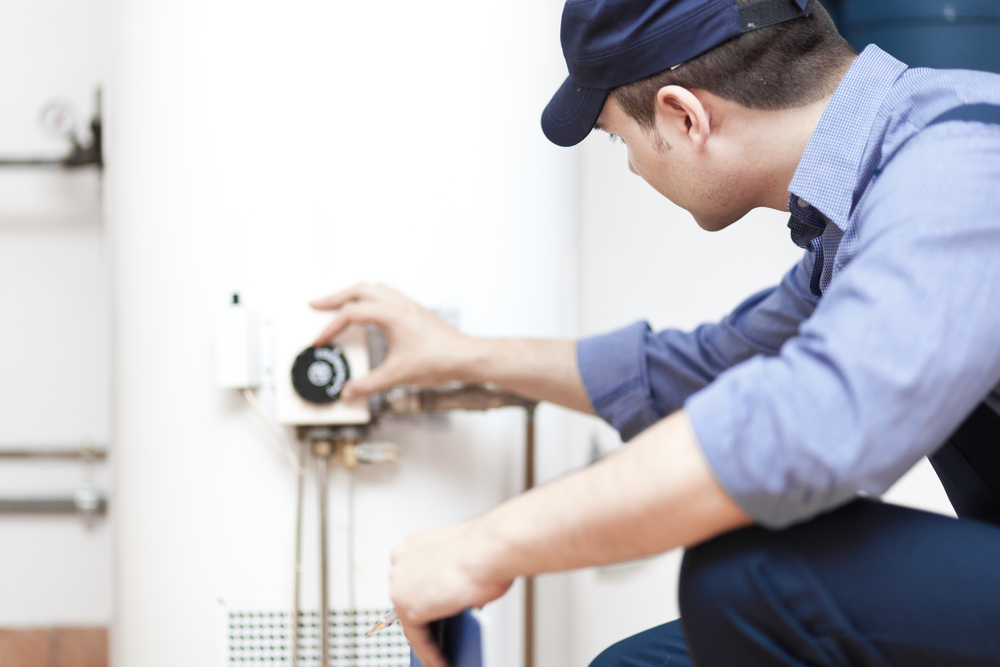
A water heater is one of those systems that often goes unnoticed until something feels off. Whether it is a sudden drop in water temperature or a subtle change in performance, these early signs are easy to ignore. Over time, however, small issues can lead to more noticeable disruptions in daily routines.
From a professional standpoint, water heaters rarely fail without warning. Most problems develop gradually, giving clear signals that something within the system needs attention. Recognizing these signs early allows for timely professional water heater service, helping maintain performance and avoid more serious complications.
 Inconsistent or Fluctuating Water Temperature
Temperature inconsistency is often the first noticeable change homeowners experience. It may start subtly, such as a slightly shorter hot shower or a brief shift in temperature while using a faucet. Over time, these variations become more frequent and harder to ignore, signaling that the system is no longer operating at full efficiency.
This issue is commonly linked to internal factors such as sediment buildup, worn heating elements, or thermostat irregularities. As sediment accumulates at the bottom of the tank, it can create a barrier that prevents heat from transferring effectively to the water. This forces the system to work harder, which further contributes to uneven performance.
In some cases, the problem may not be isolated to a single component. A combination of aging parts and internal buildup can create inconsistent heating patterns throughout the system. This is why fluctuating temperatures are often one of the earliest indicators that professional water heater service may be needed.
- Water turns cold quickly. This may suggest reduced heating capacity or sediment buildup inside the tank.
- Temperature fluctuates during use. Inconsistent heating can indicate issues with heating elements or thermostats.
- Longer wait times for hot water. Delays in heating may reflect declining system efficiency.
- Uneven temperature across fixtures. This can signal broader system imbalances.
These changes are often gradual, which is why they are sometimes overlooked. Addressing them early helps prevent further decline in performance.
Unusual Noises Coming From the Tank
Water heaters are typically quiet when functioning properly. New or increasing noise levels often point to internal changes that should not be ignored.
- Popping or rumbling sounds. These are commonly caused by sediment hardening at the bottom of the tank.
- Hissing or sizzling noises. This may indicate moisture interacting with heated surfaces.
- Sudden changes in sound patterns. New or irregular noises can signal developing issues.
- Increased noise during heating cycles. This often reflects buildup affecting normal operation.
As sediment accumulates, it can create barriers between the heating element and the water. This reduces efficiency and places additional strain on the system.
Visible Signs of Wear or Leakage
Physical changes around the water heater often provide clear evidence that service may be needed. These signs should be taken seriously, as they can indicate underlying damage.
- Moisture around the base. Even small amounts of water can suggest a developing leak.
- Rust or corrosion. Visible wear on the tank or connections may weaken the system over time.
- Discolored water. Brown or rusty water can indicate internal corrosion.
- Drips from valves or fittings. Leaks at connection points can signal pressure or component issues.
These conditions rarely improve on their own. Instead, they tend to progress, making early evaluation important for preventing more extensive damage.
Reduced Efficiency and Higher Energy Use
A decline in efficiency is another common sign that a water heater may require professional attention. Systems that work harder to produce the same results often experience increased wear.
As explained in our resource on plumbing maintenance timing, regular evaluation helps identify inefficiencies before they affect overall performance.
- Increased energy usage. A struggling system may consume more energy to maintain temperature.
- Frequent cycling. The unit may turn on and off more often than usual.
- Reduced hot water supply. Efficiency loss can limit how much hot water is available.
- Gradual performance decline. Small changes over time often point to internal buildup or aging components.
Monitoring these patterns provides insight into how well the system is functioning and whether adjustments are needed.
When Professional Water Heater Service Becomes Necessary
There are times when water heater issues move beyond minor concerns and require a more detailed approach. Recognizing these moments helps ensure the system is handled safely and effectively.
- Persistent performance problems. Ongoing issues often indicate deeper mechanical concerns.
- Multiple warning signs at once. Combined symptoms suggest that the system is under strain.
- Aging equipment. Older units are more likely to experience wear and reduced efficiency.
- Uncertainty about system condition. Without proper evaluation, it can be difficult to determine the extent of the issue.
For those considering system upgrades, our blog post on tankless system options highlights how newer solutions can offer improved performance and efficiency.
At this stage, professional water heater service provides the expertise needed to assess the system thoroughly and determine the most appropriate course of action.
Keep Your Hot Water Flowing Smoothly
A well-functioning water heater supports daily comfort and convenience. When signs of trouble begin to appear, a careful and informed response helps maintain consistent performance.
If your system is showing signs of wear, connecting with Tweedy Plumbing and Restoration can help you explore solutions designed for reliability and long-term efficiency.