Clean water systems depend on consistent pressure and properly functioning plumbing components to keep contamination from entering the water supply. One important safety device involved in that process is the backflow preventer. This equipment helps stop contaminated water from reversing direction and flowing back into clean water lines during pressure changes or plumbing issues.
Because these systems protect water quality, routine backflow prevention inspections play an important role in long-term plumbing safety. Inspections help confirm the device is operating correctly, identify signs of wear, and detect developing problems before larger plumbing concerns occur. Understanding what happens during the inspection process can help homeowners and property managers feel more prepared when scheduling service.
Why Backflow Prevention Systems Matter
Backflow preventers are designed to stop contaminated water from mixing with potable water supplies. Pressure disruptions can sometimes occur during plumbing failures, water main breaks, heavy water demand, or system malfunctions. Without a properly functioning preventer, pollutants may enter the clean water system.
These devices are commonly connected to irrigation systems, fire sprinklers, commercial plumbing systems, boilers, and other water-connected equipment where contamination risks may exist.
- Irrigation systems may expose water lines to chemicals or debris
- Pressure changes can allow contaminated water to reverse direction
- Aging valves may weaken over time and reduce protection
- Commercial systems often require regular certified testing
- Local regulations may require scheduled inspection compliance
Because many backflow issues develop gradually, homeowners may not notice warning signs immediately. Routine inspections help verify that the device continues functioning properly under normal operating conditions.
Professional evaluations also help identify surrounding plumbing concerns that may place additional strain on the system over time. This broader inspection approach supports safer long-term water quality protection throughout the property.
What Happens During A Backflow Prevention Inspection
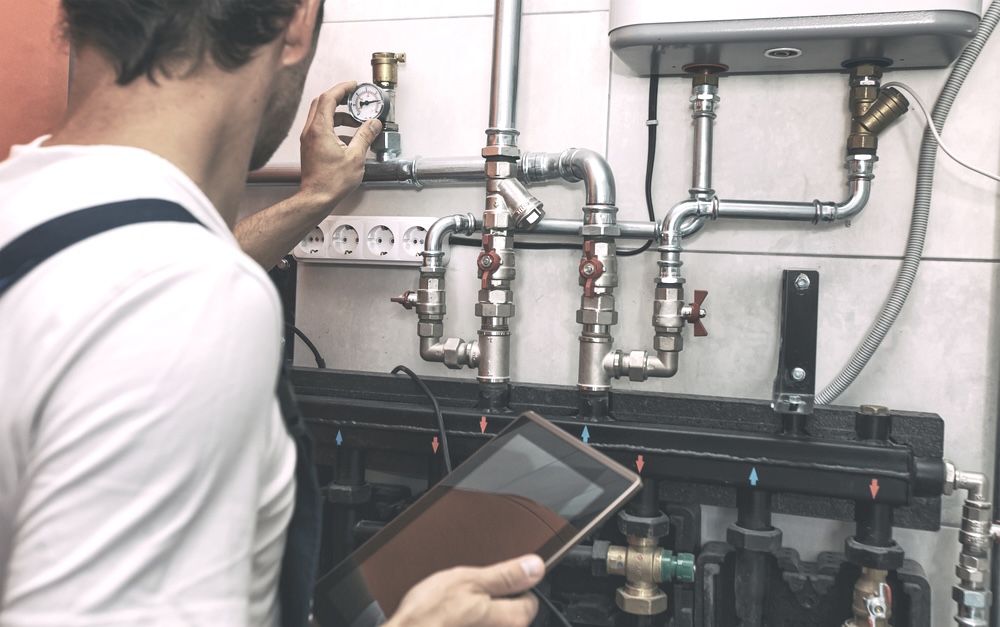
During a professional inspection, technicians evaluate the condition and performance of the backflow preventer using specialized testing equipment. The process generally involves shutting off portions of the water supply temporarily while pressure readings and valve performance are checked carefully.
- Pressure levels are measured to verify proper operation
- Internal valves are tested for leakage or failure
- Shut-off valves are inspected for wear or corrosion
- Device connections are examined for visible damage
- Testing equipment confirms regulatory performance standards
Technicians may also check for signs of rust, mineral buildup, moisture exposure, or aging components that could affect future reliability. If irregular pressure readings appear during testing, additional inspection may be recommended to determine whether repairs or replacement are necessary.
In some situations, unusual sounds from the system can also indicate developing problems. Homeowners experiencing those concerns may benefit from reviewing these backflow noise causes before inspection appointments.
The inspection process itself is usually straightforward, but the evaluation requires proper certification, specialized tools, and technical knowledge to ensure accurate results.
Warning Signs That May Indicate System Problems
While routine inspections remain important even without obvious symptoms, some warning signs may suggest a backflow preventer requires attention sooner rather than later. Ignoring these issues can increase the likelihood of water quality concerns or plumbing complications developing over time.
- Visible leaking around the device may indicate seal failure
- Unusual noises can reflect pressure or valve issues
- Corrosion may weaken internal components gradually
- Water pressure fluctuations sometimes signal a system imbalance
- Discolored water can point toward contamination concerns
Many of these signs appear subtle at first and may not seem urgent initially. However, plumbing systems operate under continuous pressure, which means small performance issues can gradually worsen if left unresolved.
Professional inspections help determine whether the issue involves a repairable component, aging equipment, or broader plumbing conditions affecting system performance. Understanding these warning indicators early supports more effective long-term planning and may reduce the risk of larger plumbing disruptions later.
Property owners interested in recognizing developing concerns can review these system warning signs for additional guidance regarding common backflow preventer problems.
Why Professional Testing Supports Long-Term Plumbing Safety
Backflow prevention systems must function correctly under changing pressure conditions, which makes accurate testing especially important. Licensed professionals understand how to evaluate pressure readings, identify valve failures, and confirm compliance with local plumbing standards.
- Certified testing ensures accurate system evaluation
- Proper documentation supports inspection compliance requirements
- Early detection may reduce future plumbing complications
- Professional equipment improves testing precision
- Long-term monitoring helps track system performance changes
Regular inspections also provide a better understanding of how the plumbing system performs overall. In some cases, technicians may identify related concerns involving shut-off valves, water pressure, corrosion, or aging plumbing components during the appointment.
This preventative approach supports more reliable water system protection while helping homeowners avoid unexpected problems that may become more difficult to manage later. Ongoing inspections also help maintain compliance in areas where local municipalities require certified backflow testing on a scheduled basis.
Protect Your Water System With Routine Inspections
Backflow prevention inspections help verify that plumbing safety devices continue protecting clean water supplies from contamination risks and pressure-related issues. Routine testing supports long-term system reliability by identifying worn components, pressure concerns, and hidden performance problems before they become more serious. Professional evaluations also help ensure compliance with local plumbing requirements while supporting safer overall water quality throughout the property. For professional inspection and testing services, contact Tweedy Plumbing and Restoration