

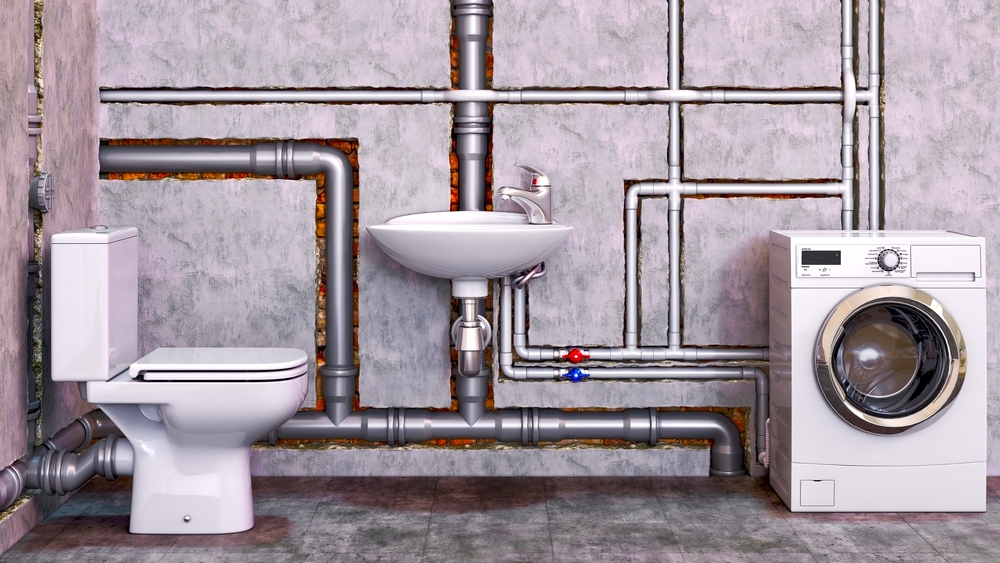
A home’s plumbing network works quietly behind walls, under floors, and beneath foundations, yet it plays a central role in daily comfort and safety. Over time, materials age, usage patterns change, and hidden wear develops. An age and condition report brings clarity to these unseen systems by evaluating how old components are, how they perform today, and what risks may be forming beneath the surface.
From a professional standpoint, this type of report is not about predicting failure with certainty. It is about understanding probability and exposure. When homeowners know the condition of pipes, fixtures, and supply lines, decisions become proactive instead of reactive. A detailed review of a plumbing system helps prevent sudden disruptions and supports long-term planning.

Why Plumbing Age Matters More Than Many Realize
Plumbing materials are not designed to last forever. Each era of construction relied on specific pipe types and connection methods, many of which have known lifespan ranges. As systems age, corrosion, mineral buildup, and joint fatigue gradually increase the likelihood of leaks or restricted flow.
Common age-related concerns include:
- Metal pipes that corrode internally over time
- Older joints that loosen with temperature and pressure changes
- Supply lines that become brittle or weakened
- Valves that lose sealing reliability after years of use
Age alone does not guarantee failure, but it raises risk. Homes with mixed-generation plumbing often face uneven performance, where newer sections mask problems forming in older lines. An age and condition report highlights these imbalances so homeowners can understand where attention is most needed.
What a Plumbing Condition Assessment Evaluates
A condition assessment goes beyond visual checks. It evaluates performance, material integrity, and environmental factors that affect system reliability. This type of review looks at how the plumbing system functions as a whole rather than focusing on isolated fixtures.
Key areas evaluated include:
- Pipe material types and installation periods
- Signs of corrosion, scaling, or internal restriction
- Connection points, valves, and pressure regulation
- Evidence of past repairs or modifications
This process helps identify components that may still function but operate closer to failure thresholds. It also reveals areas where outdated materials interact with newer sections, creating stress points. Understanding these details allows homeowners to prioritize upgrades rather than reacting to emergencies.
How Condition Reports Support Preventive Planning
One of the greatest benefits of an age and condition report is its role in preventive planning. Instead of guessing when a failure might occur, homeowners gain structured insight into current conditions and projected risks. This supports smarter budgeting and reduces the likelihood of unexpected water damage.
Preventive planning advantages include:
- Identifying vulnerable areas before leaks occur
- Scheduling upgrades on a manageable timeline
- Reducing emergency repair costs
- Extending the service life of existing components
Annual evaluation often plays a key role in this approach. In our article on inspection cost savings, the connection between routine assessment and long-term expense reduction is explored in detail. Regular reporting builds a historical record that improves accuracy over time.
Insurance, Documentation, and Risk Awareness
Insurance considerations are an important but often overlooked reason for maintaining an updated plumbing condition report. In the event of water damage, insurers frequently review maintenance history and system condition. Clear documentation shows that reasonable steps were taken to monitor and maintain the plumbing system.
Important documentation benefits include:
- Evidence of system oversight and maintenance
- Clear records of known issues and corrective actions
- Support during claim evaluations
- Reduced disputes over responsibility
Licensed inspections add an additional layer of credibility. Insurers may place greater weight on assessments completed by qualified professionals. The importance of this distinction is explained further in our article on insurance inspection value, which outlines how proper documentation can influence outcomes after an incident.
Why Professional Reporting Delivers Better Insight
While homeowners may notice visible signs like slow drains or discoloration, many plumbing risks remain hidden until failure occurs. Professional reporting combines experience, diagnostic tools, and system-wide evaluation to uncover issues that surface checks miss.
Professional age and condition reports provide:
- Objective assessment based on material standards
- Early identification of hidden vulnerabilities
- Clear prioritization of recommended actions
- Guidance aligned with current building codes
This level of insight helps homeowners move from uncertainty to informed decision-making. Instead of wondering whether replacement or repair is necessary, they receive a structured overview that supports confidence and control. Over time, this approach reduces stress and protects property value by preventing avoidable damage.
Turning Knowledge Into Protection
Understanding the age and condition of a plumbing system empowers homeowners to plan, protect, and maintain their property with greater confidence. Clear insight reduces surprises and supports responsible ownership over the long term.
For homeowners seeking a detailed, professional evaluation of their plumbing system, contact Tweedy Plumbing and Restoration to request an age and condition report tailored to your home’s needs.