
Spring brings much-needed rain, but it also introduces one of the most common and expensive risks homeowners face: water damage. As soil becomes saturated and plumbing systems work harder, even minor vulnerabilities can quickly escalate into major structural concerns.
From an expert perspective, avoiding water damage is less about reacting to visible issues and more about anticipating hidden risks. Plumbing systems, drainage pathways, and water pressure dynamics all shift during rainy months. Without proper attention, these shifts can compromise everything from piping to foundations.
 Why Spring Rainfall Puts Extra Pressure on Plumbing Systems
During rainy seasons, excess groundwater and increased usage create a perfect storm for plumbing strain. Pipes expand and contract with temperature changes, while underground systems face rising pressure from saturated soil.
These conditions can expose weaknesses that remain unnoticed during drier months. For example, older piping materials or aging valves may not withstand the added demand. Even modern systems can experience stress if maintenance has been delayed.
Homeowners are also seeing a shift in insurance requirements. Many providers now require documented plumbing inspections to assess the age and condition of systems before renewing policies. In some cases, installing automatic water shut-off valves is no longer optional but a prerequisite for coverage.
This evolving landscape reinforces a key point: prevention is no longer just a recommendation. It is becoming a necessity tied to both safety and financial protection.
Common Causes of Water Damage During Wet Months
Understanding the root causes of water damage allows for more strategic prevention. While heavy rain is a trigger, the real issues often stem from underlying system vulnerabilities.
- Clogged or overwhelmed drainage systems. Debris buildup can prevent proper water flow, leading to backups and pooling near foundations.
- Aging or corroded pipes. Older materials are more susceptible to leaks when pressure increases during rainy conditions.
- Faulty sump pumps or drainage failures. When these systems fail, water can accumulate rapidly in basements or crawl spaces.
- Loose or degraded pipe connections. Small gaps can worsen under pressure, resulting in hidden leaks behind walls or under floors.
- Improper grading around the home. Water flowing toward the foundation increases the risk of seepage and structural damage.
Each of these factors contributes to water damage in different ways, but they share one common trait: they often go unnoticed until significant damage has already occurred.
Early Warning Signs You Should Never Ignore
Detecting early signs of water damage can prevent costly repairs and long-term complications. These indicators are often subtle but become more pronounced as issues develop.
- Unexplained increases in water bills. A sudden spike may indicate hidden leaks within the system.
- Damp or musty odors. Persistent moisture can signal trapped water behind walls or beneath flooring.
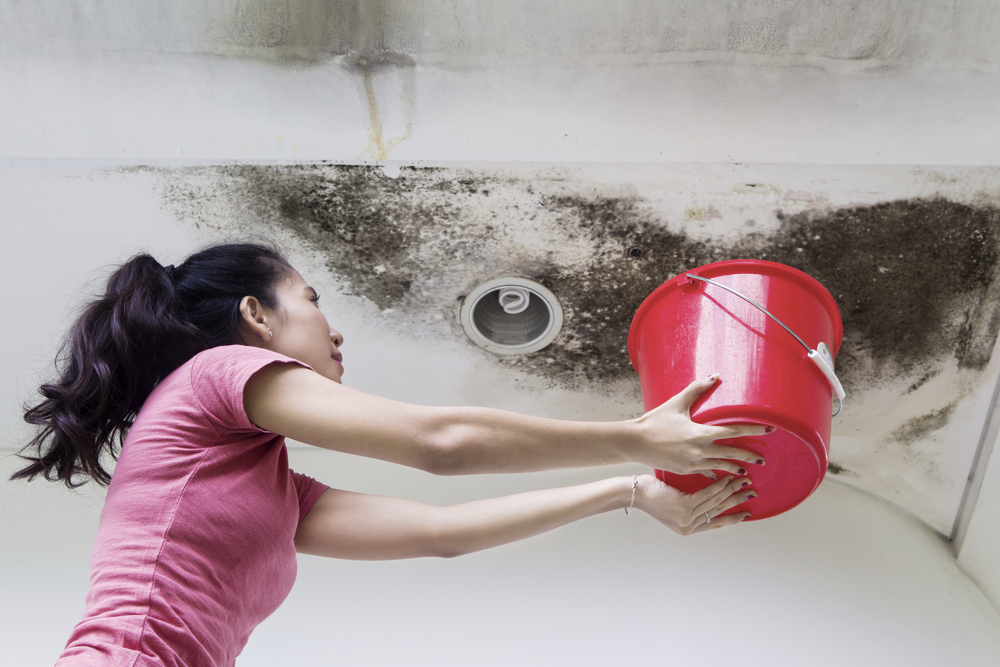
- Discoloration on walls or ceilings. Stains often appear before visible leaks become obvious.
- Reduced water pressure. This can point to leaks or blockages within the plumbing network.
- Pooling water around the home’s exterior. Improper drainage can direct water toward vulnerable areas.
These signs should never be dismissed as minor inconveniences. They are often the first indication that water damage is already in progress.
Proactive Measures That Help Prevent Costly Repairs
Preventing water damage requires a proactive approach that combines inspection, maintenance, and system upgrades. Rather than relying on temporary fixes, a comprehensive strategy ensures long-term protection.
- Schedule routine plumbing inspections. Regular evaluations help identify aging components before they fail and provide documentation often required by insurance providers.
- Install automatic water shut-off valves. These systems detect unusual flow and shut off water before major damage occurs. Many insurance providers now encourage or require this upgrade.
- Upgrade outdated piping systems. Replacing aging materials reduces the likelihood of leaks under increased pressure.
- Maintain clean and efficient drainage systems. As discussed in our resource about clean drain practices, proper upkeep prevents backups and supports consistent water flow.
- Identify hidden leaks early. Learn more in our resource about hidden water leaks to understand how early detection can prevent serious structural damage.
In addition to these steps, some homeowners are also exploring earthquake shut-off valves for gas systems. While not directly related to water damage, these upgrades reflect a broader shift toward proactive safety measures within residential systems.
The key takeaway is clear: prevention is not a single action but a combination of strategic improvements and ongoing attention.
The Value of Professional Oversight in High-Risk Seasons
Spring conditions create variables that are difficult to fully assess without professional expertise. Water pressure fluctuations, underground system behavior, and structural vulnerabilities require a trained eye to evaluate accurately.
Licensed plumbing professionals bring a level of precision that goes beyond surface-level observations. They assess the condition of pipes, valves, and fixtures while identifying risks that may not yet be visible. This level of insight is especially important as insurance requirements continue to evolve, often requiring formal inspection reports.
Attempting to manage these complexities without proper expertise can lead to incomplete solutions. While minor issues may appear manageable, underlying problems often persist and worsen over time.
Professional oversight ensures that prevention strategies are not only implemented but optimized. This approach reduces uncertainty and provides a clear path toward protecting the home from water damage during the most demanding seasons.
When Prevention Becomes Protection
Water damage during rainy spring months is rarely the result of a single event. It is often the culmination of overlooked details, delayed maintenance, and system limitations under pressure.
Taking action before problems escalate is the most effective way to safeguard both property and peace of mind. For a thorough evaluation and dependable solutions, reach out to Tweedy Plumbing and Restoration to ensure your plumbing system is prepared for the season ahead.