

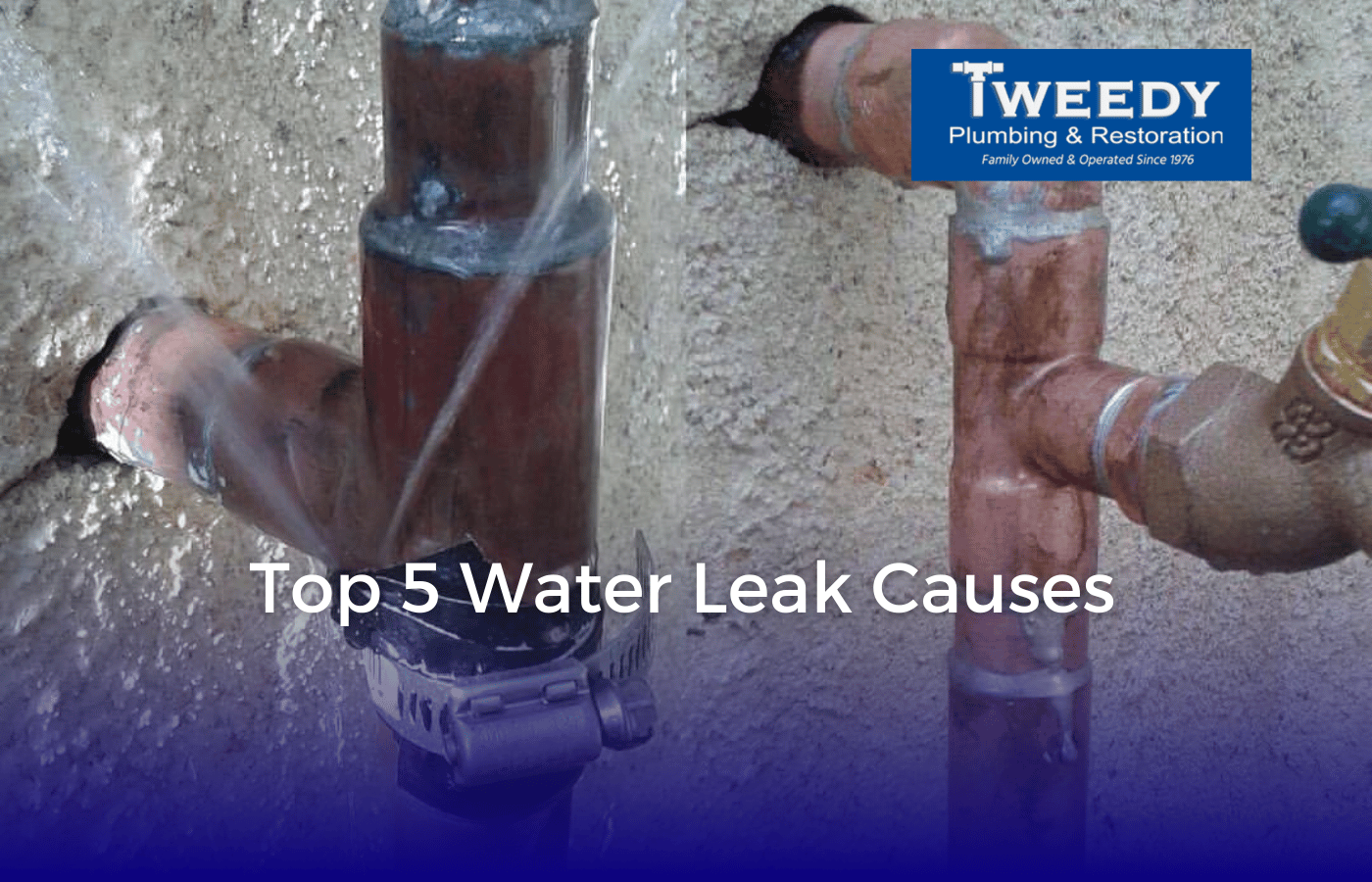
Water leaks are a frequent problem that, if left unattended, can cause significant water damage. They may result in expensive water bills, harm to your house, and, in the event that mold grows, health risks. Understanding the origins of water leaks is crucial to preserving the structural integrity of your house and averting expensive repairs. The top five reasons for water leaks will be covered in this piece, along with advice on how to fix them. You can prevent water damage to your house and make sure your plumbing system is in good working order by being aware of these typical problems.
1. Corroded Pipes
Pipe corrosion is one of the main reasons for water leaks. Chemical reactions with water or the materials they carry can cause pipes to deteriorate over time. This is particularly valid for older homes that have metal plumbing. Leaks occur when the structure of the pipe is weakened by corrosion. By identifying corrosion early on through routine inspections, you can repair impacted pipes before they fully fail.Signs of Corrosion
Keep an eye out for peeling, discoloration, or variations in water pressure. It might be time to have a professional inspect your pipes if any of these symptoms are evident.2. High Water Pressure
Strong water pressure could be enjoyable in the shower, but it can also overstress your plumbing system. Leaks can occur when the pressure inside pipes is higher than what is intended for them to withstand. By installing a pressure regulator, you can help keep your pipes safe by maintaining a steady water pressure level.Checking Your Water Pressure
You can check water pressure using a gauge. If it's above the recommended levels, it might be time to adjust the pressure or consult a plumber.3. Tree Root Intrusion
Although they are lovely, trees can cause issues for pipelines that are buried. Because roots are drawn to moisture, they may enter your pipes through cracks and result in leaks. Frequent upkeep and inspections can aid in the early detection of possible intrusions.Prevention Tips
Consider planting trees away from your plumbing system or using root barriers to protect pipes from potential damage.4. Loose Water Connections
Loose connections in appliances or fixtures can result in leaks. This often happens when hoses or connectors are not secured tightly. Regularly check for any looseness in the connections to prevent leaks.Securing Connections
To keep your system leak-free, make sure that all connections are securely secured and replace any worn-out fixtures or hoses.5. Aging Infrastructure
Plumbing systems also deteriorate with age in homes. Over time, deterioration of old fixtures, fittings, and pipes can result in leaks. As your home ages, it is imperative that you maintain routine maintenance and think about replacing your plumbing system.Modernizing Your Plumbing
Speak with a plumber about potential modifications to more resilient materials and how to evaluate the state of your plumbing.Proactive Measures for Preventing Water Damage in Your Home
Addressing water leaks promptly is key to maintaining a healthy home environment and avoiding costly repairs. Regular maintenance and inspections can help catch issues early. If you suspect a leak, don't hesitate to contact a plumber for water leak detection. By staying vigilant and proactive, you can protect your home from the damaging effects of water leaks and ensure a reliable plumbing system for years to come. Ready to safeguard your home against water damage? Contact Tweedy Plumbing today for expert leak detection, emergency plumbing, and plumbing upgrades. Stay proactive, protect your investment, and ensure peace of mind with our professional services. Call now and secure a reliable plumbing system for the future!
Clogged drains are a common problem in many homes. They can cause water to back up, create unpleasant odors, and lead to expensive repairs if not addressed. Understanding the reasons behind these clogs can help you prevent them from happening in the first place. Whether it's your kitchen sink or shower drain, each has its own set of culprits. Let’s look at the top reasons your drains get clogged and what you can do to keep them clear.
Kitchen Drain
Your kitchen drain is one of the most frequently used drains in the house. Here are some reasons it might get clogged:- Food Particles: Small bits of food often make their way into the drain. Over time, they can accumulate and cause blockages. To avoid this, scrape plates before washing and consider using a drain strainer.
- Grease and Fat: Pouring grease down the drain is a common mistake. As it cools, grease hardens and sticks to the pipes. This gradually reduces water flow and can lead to a complete blockage.
- Coffee Grounds: Many people think it’s okay to wash coffee grounds down the sink. However, they can clump together and contribute to clogs. Dispose of them in the trash or compost instead.
- Soap and Detergent Scum: Although it seems harmless, soap residue can build up over time, especially if you have hard water. This can constrict pipes and lead to blockages.
- Eggshells and Nutshells: These items are not as biodegradable as they seem. They can settle in the pipes and mix with other debris to form clogs.
Shower Drain
Shower drains face their own unique challenges. Here are the main reasons they clog:- Hair: Hair is one of the biggest culprits in shower drain clogs. It combines with soap and other substances to form tough clogs. Using a drain cover can help catch hair before it goes down the drain.
- Soap Residue: Just like in the kitchen, soap can accumulate in the shower. It mixes with minerals in the water to form a hard residue called soap scum, which can block pipes.
- Mineral Buildup: Hard water contains minerals that can deposit in your pipes over time. This buildup can narrow pipes and restrict water flow.
- Small Objects: Sometimes, small objects like jewelry or bottle caps accidentally drop into the drain, leading to blockages.
- Shower Products: Oils, creams, and other shower products can leave behind residue that clogs drains. Rinsing thoroughly and using less product can help prevent this.
Maintaining Clear Drains: Essential Practices for a Healthy Plumbing System
Keeping your drains clear is essential for a smoothly running household. Regular maintenance and awareness of what goes down your drains can prevent clogs. If you do encounter a stubborn blockage, consider professional drain cleaning to address the issue without harming your plumbing. By understanding the common causes of clogs, you can take proactive steps to ensure your drains function efficiently and effectively. Call Tweedy Plumbing today for superior drain cleaning and unclogging services! Our experts swiftly handle clogs from common culprits like hair, grease, and small objects. Ensure your drains are functioning flawlessly with our professional assistance. Don't wait for a blockage to disrupt your home—contact us now and keep your plumbing pristine!
Having a new home or commercial property is an exciting endeavor, but it also entails making numerous decisions. One crucial decision is choosing the right plumbers for your plumbing needs. The plumbing system is an integral part of any building, and a poorly installed or maintained system can lead to costly repairs and headaches down the road.
In this blog post, we will discuss the importance of selecting experienced and licensed plumbers for any plumbing project and provide valuable tips on how to make the best choice.
Inquire About Their Experience in Handling Projects
When it comes to choosing a plumbing company, experience and expertise are key. Hiring plumbers who specialize in residential and commercial projects ensures that they are familiar with the unique challenges and requirements involved. They have a deep understanding of collaborating with other teams to seamlessly integrate the plumbing system. Inquire about the plumber's track record in handling similar projects. Ask for examples of their previous work and request references from clients they have worked with. This will give you an idea of their capabilities, attention to detail, and ability to meet deadlines. Experienced plumbers will have a proven track record of successfully completing plumbing projects. They will also know to recommend the best piping system and plumbing fixtures for your project.
Check for Proper Licensing and Insurance
Before engaging any plumber for your project, it is vital to verify their licensing and insurance status. A reputable plumber will have the necessary licenses and permits required by your local jurisdiction. This ensures that they have met the minimum standards for competency and professionalism in the plumbing industry. Insurance coverage is just as crucial because it keeps you protected from any liability in case of accidents or damages that may occur during the project. Stay covered and worry-free!Ensure Clear Communication and Responsiveness
Clear communication is vital throughout the project, and this includes your interactions with the plumber. Look for a plumber who is responsive and communicates effectively. They should be readily available to answer your questions, provide updates on progress, and address any concerns you may have. Good communication ensures that everyone involved is on the same page and helps prevent misunderstandings or delays.
Don't Ignore Your Instincts
In the end, rely on your instincts when it comes to decision-making. If something seems amiss or if you have doubts about a specific plumber, it might be wise to consider alternative choices. Take the time to thoroughly research and compare different plumbers before making your final choice. Consider factors such as reputation, professionalism, and pricing. By trusting your instincts and making an informed decision, you can ensure that you choose the right plumbers for your plumbing needs.Hire the Best Plumbers in Newport Beach and Costa Mesa, CA
Selecting the right plumbers is crucial for the successful completion of your project. At Tweedy Plumbing, we value experience, quality workmanship, and excellent customer service. Since 1976, we have been the trusted choice for plumbing services in Costa Mesa, Newport Beach, Laguna Beach, Irvine, Huntington Beach, Corona Del Mar, Seal Beach, Aliso Viejo, and more! Contact us today for all your plumbing needs, and let us help you achieve a reliable and efficient plumbing system. Our team of experienced plumbers is committed to providing high-quality services that meet the unique needs of each project. Trust Tweedy Plumbing for all your plumbing needs!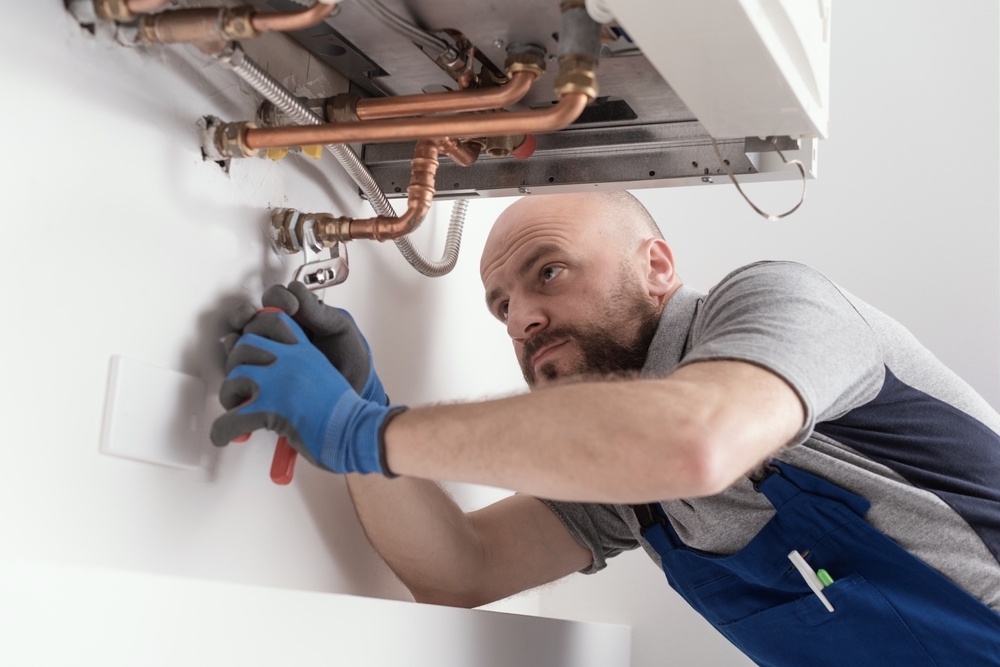
If you suspect a natural gas leak on your property or need some work on a gas line or valve, this article is for you. We'll be discussing five important signs that indicate the need for a plumber well experienced in gas work. Given the liability issues associated with natural gas, please make sure the plumber you choose is licensed and insured.
Here are some common situations where you might require a gas plumber.
1. Suspected Gas Leak
The unmistakable smell of natural gas is a clear sign of a potential gas leak. This is a serious issue that demands immediate attention, as it can lead to harmful health effects and even explosions. If you notice this smell or hear a hissing sound near your gas piping, call a licensed plumbing contractor who specializes in gas leak detection and repair, like Tweedy Plumbing.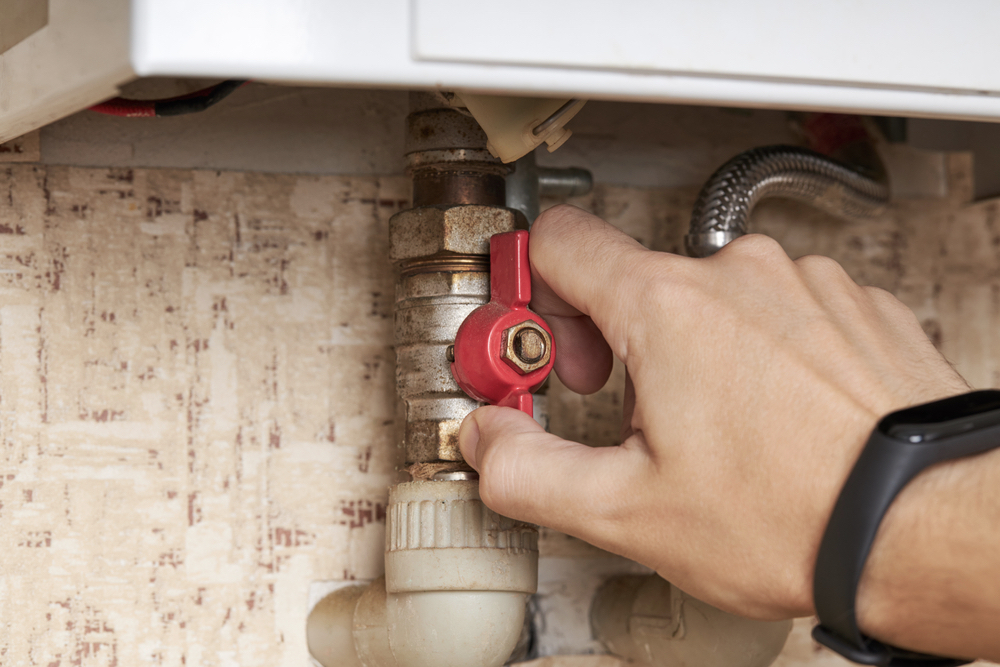
2. Installing a Gas Line
Whether you're remodeling a home or upgrading an existing gas system, installing a gas line is a task best left to professionals. This process involves intricate knowledge of gas appliances, local regulations, and safety standards. An experienced gas plumber can ensure the job is done correctly and safely, preventing potential leaks and other problems down the line.3. Water Heater Problems
Your water heater plays a vital role in your day-to-day life, providing hot water for showers, dishes, and laundry. If you're experiencing issues like a lack of hot water, strange noises, or leaks around your water heater, it may be time to call a gas plumber. They can diagnose the problem and recommend repairs or replacement, depending on the severity of the issue.4. Upgrading Gas Appliances
Maybe you're thinking about switching from an electric stove to a gas one, or perhaps you want to add a gas fireplace to your living room. Upgrading to gas appliances requires careful planning and installation. A gas plumber will not only install these appliances but also ensure that your home's gas piping system can handle the additional load.5. Expanding Service Areas
If you're planning to expand your home or add new rooms, you might need to extend your gas line to service these areas. This is not a DIY project as it requires the knowledge and skills of a professional gas plumber. They'll ensure that the new gas lines are installed correctly and safely, meeting all local codes and regulations.
Best Gas Plumber in Newport Beach, CA
While some minor plumbing issues can be a DIY job, anything related to natural gas should be handled by a professional gas plumber. Remember, safety should always be your top priority when dealing with gas appliances and gas piping. If you notice any of these signs, don't hesitate to seek professional help. When it comes to gas plumbing services, there's only one name you need to remember - Tweedy Plumbing. We are specialists in all aspects of gas plumbing, including gas line installation, repair, and maintenance. With decades of industry experience under our belts, we have developed a reputation for delivering top-notch services that are both efficient and safe. Dealing with natural gas is no small feat as it requires extensive knowledge, precision, and a keen eye for detail. And that's exactly what our team at Tweedy Plumbing brings to the table. Our expert gas plumbers are highly trained and licensed, ensuring they're equipped with the latest knowledge of safety standards and regulations. Whether you're installing a new gas line, suspect a gas leak, or need help with your gas appliances, our team will be there to provide a swift and effective solution. But what truly sets us apart is our commitment to customer satisfaction. We understand that every home is unique, which is why we offer personalized solutions tailored to your specific needs. Our service areas are vast, covering a wide range of residential and commercial properties. At Tweedy Plumbing, we believe in transparency. That's why we provide upfront pricing without any hidden charges. We also offer emergency services because we know that problems can arise at any time. Choosing Tweedy Plumbing means choosing peace of mind. With us, you can rest assured knowing that your gas plumbing system is in the safest and most capable hands. So why wait? Experience the best in gas plumbing services with Tweedy Plumbing today.
You've just bought a fixer-upper with dreams of turning it into your dream home. You're excited and ready to dive in, but there's one problem - the plumbing is a mess. From water heaters to the septic system, everything needs an upgrade. Where do you begin and how do you ensure that you're choosing the right plumbing contractor for your project?
The importance of finding a plumbing contractor that offers high-quality work cannot be overstated. Whether it involves a simple system install or a complex task involving common plumbing fixtures, you need a professional who can handle the job.
In this blog post, we'll provide you with five tips on how to recommend a plumbing contractor, and what you should know before you hire a plumber.

1. Check Credentials
When searching for a reliable plumbing contractor, it is crucial to begin by thoroughly examining their credentials. Keep in mind that each state has its own unique set of prerequisites for licensing and certifications in the plumbing field. Therefore, it is essential to confirm that the contractor you choose meets the specific regulations outlined by your local, state, and federal authorities. By doing so, you can ensure that they possess a comprehensive understanding of building codes and regulations, enabling them to execute plumbing tasks with utmost safety and efficiency. This attention to detail will provide you with peace of mind, knowing that your plumbing work is being handled by a knowledgeable and competent professional.2. Ask About Experience
Experience matters a great deal when it comes to plumbing systems. You need experts when it comes to water fixture installations, gas control valves, back flow prevention, water heater repair, and more. It is crucial to ask potential contractors about their experience specifically in these areas. A seasoned contractor, with a wide range of experience, will not only possess the necessary skills but will also be well-equipped to handle any unexpected challenges that may arise during the project. Their expertise and knowledge will ensure a smooth and successful outcome.3. Get a Written Estimate
Before you hire a plumber for your plumbing needs, it's always a good idea to ask for a written estimate. This estimate should include a breakdown of the costs involved, such as the cost of materials, labor charges, and any additional expenses that may arise during the job. By having a clear understanding of the expected costs upfront, you can prevent any potential unpleasant surprises or misunderstandings down the line. It's important to keep in mind that plumbers expect payment for their services, so being well-informed about the estimated costs can help you make an informed decision and ensure a smooth and satisfactory experience.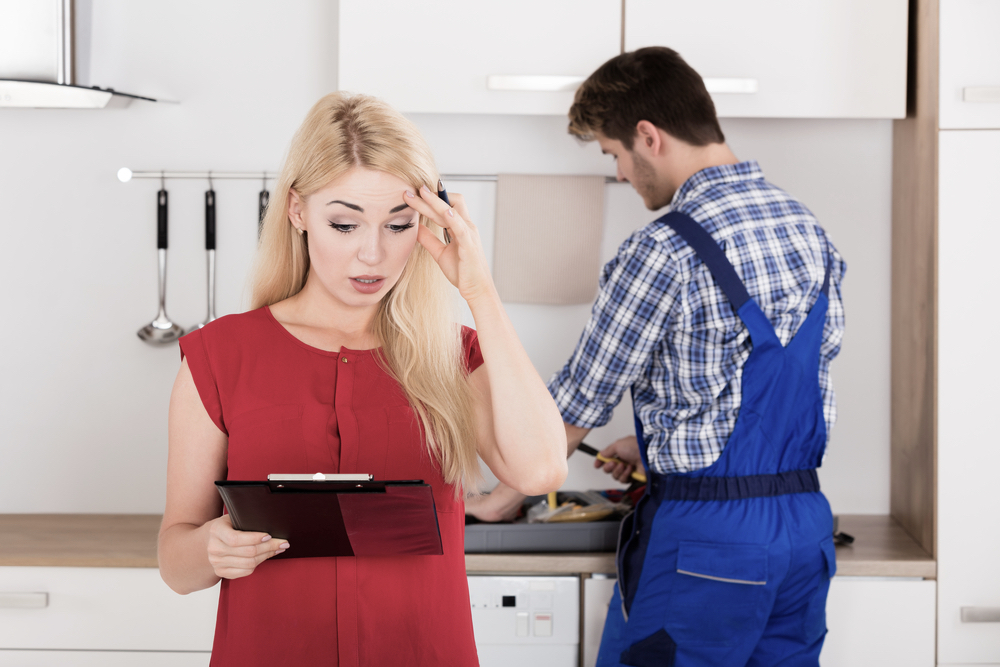
4. Check References and Reviews
Don't hesitate to request references from the contractor and take the time to diligently check them. It's worth the effort to ensure that you choose a plumbing contractor who will meet your expectations and deliver exceptional results.5. Consider Their Range of Services
When selecting a plumbing contractor, it is crucial to carefully evaluate the range of services they provide. Take into account whether they have expertise in installing gas connections, as well as their capabilities in handling the installation and maintenance of a waste disposal system. Furthermore, it is beneficial to assess whether they possess a comprehensive understanding of general contractor duties. Remember, the broader their range of services, the higher the likelihood that they will be able to meet all your specific plumbing needs with utmost professionalism and efficiency.Choose the Best Plumbing Contractor in Newport Beach, CA
Choosing the right plumbing contractor for your project doesn't have to be a daunting task. By keeping these tips in mind, you'll be sure to find a plumbing professional who will meet your specific needs with the utmost professionalism and efficiency. If you're in Newport Beach, CA and need an experienced plumber, look no further than Tweedy Plumbing. Our family-run and operated business offers a wide range of plumbing services, from water heater installations and repairs to drain cleaning and gas line work. With over 45 years of experience in the industry, our team has the expertise and knowledge to provide you with exceptional quality service that meets or exceeds your expectations. Call us today for more information!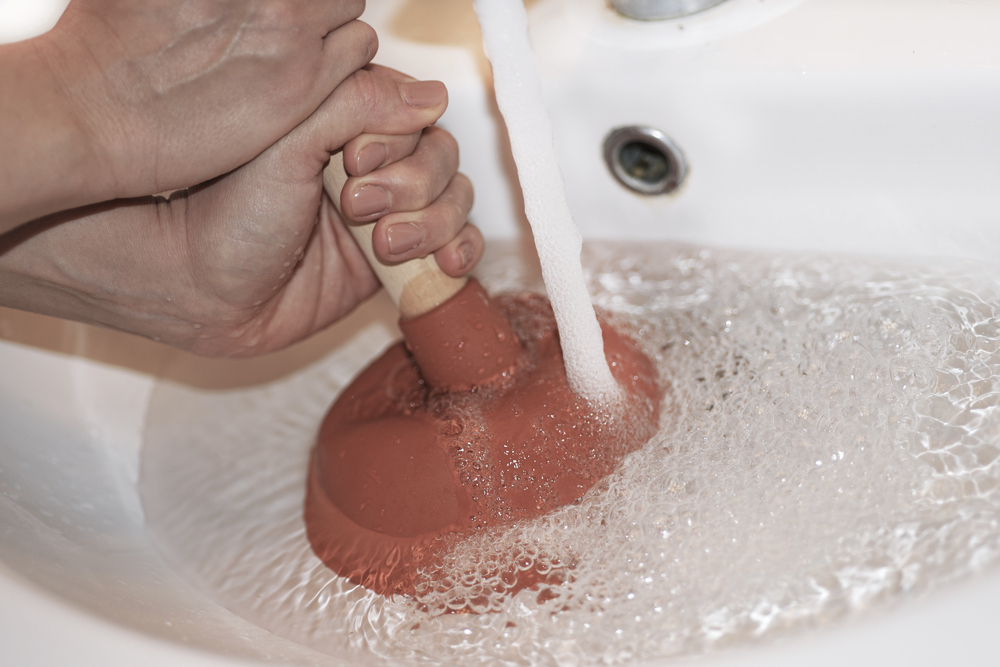
Whether it's a slow kitchen sink drain or a shower that refuses to let water flow freely, dealing with clogs can be a real headache. Don't worry! We've put together some of the most commonly asked questions and answers about clogged drains.
In this blog, we will look into the answers you've been looking for regarding clogged drains. With our expert insights and advice, you'll be equipped with the knowledge to keep your drains flowing smoothly and prevent future clogs. So, let's dive in and get your top FAQs about clogged drains finally answered once and for all!
Why Is My Shower Drain Clogged?
There are several reasons why your shower drain may be clogged. Here are some common culprits:- Hair: One of the most common causes of shower drain clogs is hair. As you wash your hair, loose strands can easily accumulate and get caught in the drain, forming a tangled mess that hinders water flow.
- Soap Scum: Over time, soap scum can build up in your pipes, especially if you use bar soap. This residue combines with hair, dead skin cells, and other debris to create stubborn clogs.
- Mineral Buildup: Hard water contains minerals like calcium and magnesium that can accumulate inside your pipes. This mineral buildup can narrow the diameter of the pipes, leading to reduced water flow and increased risk of clogs.
- Foreign Objects: Occasionally, foreign objects such as shampoo bottle caps, small toys, or even jewelry can accidentally find their way into the drain, causing blockages.
- Incorrect Installation: If your shower drain was not installed properly, it may not have the necessary slope to effectively drain water. This can result in slow drainage or recurrent clogs.

Does Bar Soap Clog Drains?
Yes, bar soap can potentially clog drains. When bar soap comes into contact with water, it can create a sticky residue known as soap scum. Over time, this soap scum can accumulate in your pipes and drains, leading to clogs and reduced water flow. The soap scum can solidify and clump together, forming a large mass that obstructs the drain. To prevent soap build-up in your drains and avoid clogs, there are a few steps you can take. First, consider switching to liquid soap, as it is less likely to leave behind residue. If you prefer using bar soap, pour boiling water down the drain regularly to help dissolve any soap scum that may be forming. Running hot tap water after each use of the bathroom sink can also help flush away any soap residue and keep the drain clear. Regular drain cleaning and maintenance are essential for preventing clogs caused by soap and other debris. If you're experiencing persistent clogs or slow drainage, it's recommended to seek professional drain cleaning services to ensure thorough cleaning and prevent further damage to your plumbing system.Do Coffee Grounds Clog Drains?
Yes, coffee grounds can indeed clog drains. Contrary to popular belief, coffee grounds do not break down easily in water and can clump together, leading to blockages in sink drains. The accumulation of coffee grounds over time can create stubborn clogs that hinder water flow. It is recommended to avoid dumping coffee grounds down the sink and instead dispose of them in alternative ways, such as composting or using them as a natural fertilizer. Proper disposal of coffee grounds can help prevent drain clogs and maintain the smooth operation of your plumbing system.Will Hydrogen Peroxide and Baking Soda Clear a Clogged Drain?
Are you wondering whether you can unclog a drain with baking soda? Yes, you can. Hydrogen peroxide and baking soda can be used as a homemade drain cleaner to temporarily clear a clogged drain. Pouring a cup of baking soda with hydrogen peroxide down the drain, along with baking soda, can help break down and dissolve clogs. Some people also use baking soda and vinegar or lemon juice to unclog a drain. However, it is important to note that while these methods may provide a temporary solution, it may not always be effective for more severe or persistent clogs. It is advisable to consult a professional plumber for a thorough assessment and appropriate solutions.Can a Clogged Drain Cause a Leak?
Yes, a clogged drain can cause a leak. When there is a blockage or clog in the drain pipe, water backs up behind the obstruction, putting pressure on the pipes. This increased pressure can lead to pipe bursts or slow leaks, resulting in potential water damage.Why Do I Need a Professional to Fix My Clogged Drains?
When dealing with clogged drains, it is often recommended to hire a professional plumber rather than relying on DIY methods or store-bought chemicals. Here are several reasons why hiring a professional is beneficial:Stubborn Clogs
Certain clogs may be more challenging to remove using home remedies. Professional plumbers have the expertise and specialized tools to tackle stubborn clogs effectively.Avoid Further Damage
Attempting to fix a clogged drain yourself can sometimes lead to additional problems. If not handled correctly, DIY methods or improper use of drain cleaners, clog remover, drain snake, or other chemicals from the hardware store can cause pipe damage or corrosion. Professionals know how to prevent further damage and ensure safe unclogging.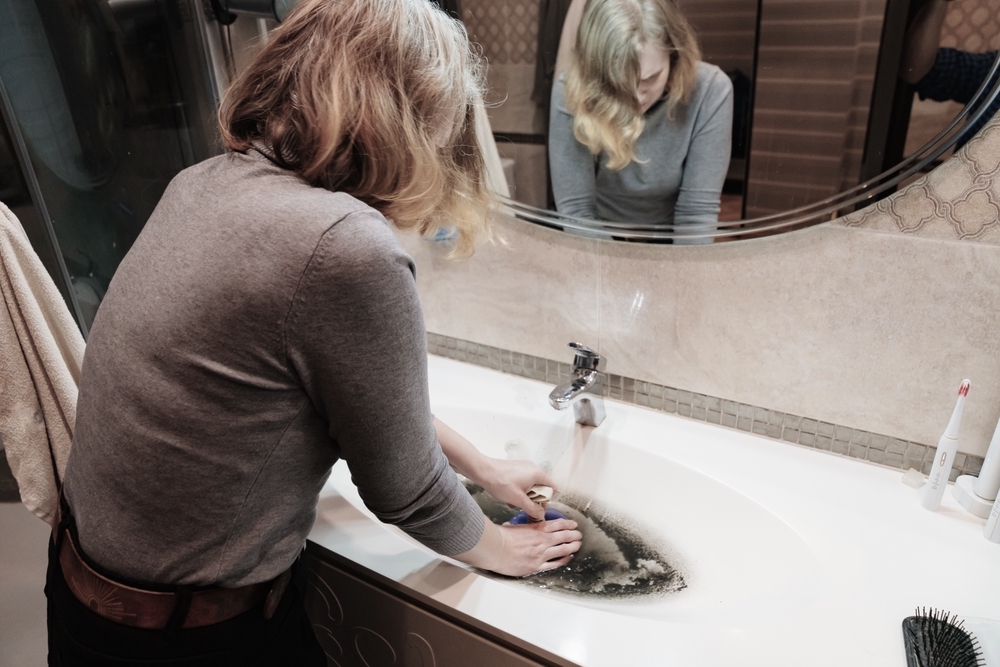
Correct Solutions
Professional plumbers can accurately diagnose the cause of the clog and apply the appropriate solution. They have the knowledge to identify underlying issues that may be contributing to slow drains or recurring clogs.Advanced Equipment
Plumbers have access to advanced tools like hydro-jetting machines, and video inspection equipment. These tools enable them to thoroughly clean and clear the drain, ensuring optimal functionality.Prevent Future Problems
By hiring a professional, you can address the root cause of the clog and prevent future issues. They can offer advice on maintenance practices and recommend preventive measures to keep your drains flowing smoothly. For reliable and professional drain cleaning services, consider contacting Tweedy Plumbing. We have a team of experienced plumbers who can effectively address clogged drains and offer expert solutions.
Plumbing issues are among the most dreaded problems homeowners face. Whether it's a leaking tap, a clogged drain, or a malfunctioning water heater, these issues can cause significant discomfort and inconvenience. However, the thought of hiring a professional plumber often brings another concern to mind: cost. Many people believe that high-quality plumbing services come with a hefty price tag, making them hesitant to seek professional help until the problem becomes too big to ignore.
The consequences of delaying professional plumbing services can be severe. A small leak can lead to water damage, mold growth, and even structural damage to your home if left unattended. Similarly, a clogged drain can escalate into a full-blown plumbing emergency, resulting in expensive repairs. Yet, the fear of exorbitant costs keeps many homeowners from addressing these issues promptly. This dilemma leaves many in a perpetual state of stress, constantly worrying about their plumbing problems worsening and the potential financial burden they might face.
But what if you don't have to choose between affordable and high-quality plumbing services? In this blog post, we will debunk the myth that top-tier plumbing services always come at a premium. We'll guide you through the process of finding affordable plumbing services without compromising on quality.

Tip #1 The Lowest Price Is Not Always the Best Option
When getting estimates or quotations for a plumbing job, the obvious choice would seem to be going with the lowest price. However, this might not always be the best option. The old adage "you get what you pay for" definitely applies here. Cheaper services may often mean inexperienced plumbers or substandard materials, either of which can lead to a more expensive repair bill further down the line. So if you're looking for a reliable one, it's important to research the companies and compare their offerings. Check for online reviews, ask around your local area, or even get references from friends and family who have engaged in plumbing services before.Tip #2 Don't Be Shy to Ask Questions
When you don't understand an item in the quotation or if the plumber is using industry jargon, don't hesitate to ask questions. You need to understand exactly what is being offered so you can make an informed decision. It's also important to ask about the materials that will be used for the job and ensure they are of good quality. Poor-quality parts may lead to expensive repairs down the line, so it's essential to also learn and compare why some companies offer a lower price.Tip #3 DIY Will Not Always Save You Money
You're trying to save money so you might be tempted to attempt some plumbing repairs yourself. This might not always be a wise move, since trying to fix something without the right knowledge or tools can lead to more damage and an even bigger repair bill. Professional plumbers are highly skilled and experienced, so it's best to leave the job to them. Finding quality plumbing services doesn't have to be expensive. By being informed and doing your research, you can find a reliable and affordable plumber who will get the job done right.Tip #4 Fix Small Repairs Promptly
Small plumbing issues can quickly become bigger ones if left unattended. If you spot a leaky tap or a slow-draining sink, it's best to hire a professional plumber right away to fix the problem before it escalates into a 24-hour emergency. Plus, small issues often cost less compared to major plumbing problems. So don't wait until it's too late- dealing with the problem now can save you a lot of money and hassle in the future.Tip #5 Conduct Regular Maintenance
One of the best ways to avoid plumbing disasters is to conduct regular maintenance on your plumbing system. This will help you spot any minor issues before they become major ones, allowing you to address them promptly and prevent costly repairs. Professional plumbers can inspect your system annually for any potential problems and recommend maintenance or repairs as needed.Quality and Affordable Plumbing in Newport Beach, CA
We hope these tips have given you some insight into finding affordable, quality plumbing services. Don't be discouraged by the potential costs of plumbing repairs. If you're looking for affordable plumbing in Newport Beach, Tweedy Plumbing can help. We provide high-quality plumbing services at competitive rates, and our team of licensed professionals is committed to delivering excellent customer service. Contact us today for a free estimate!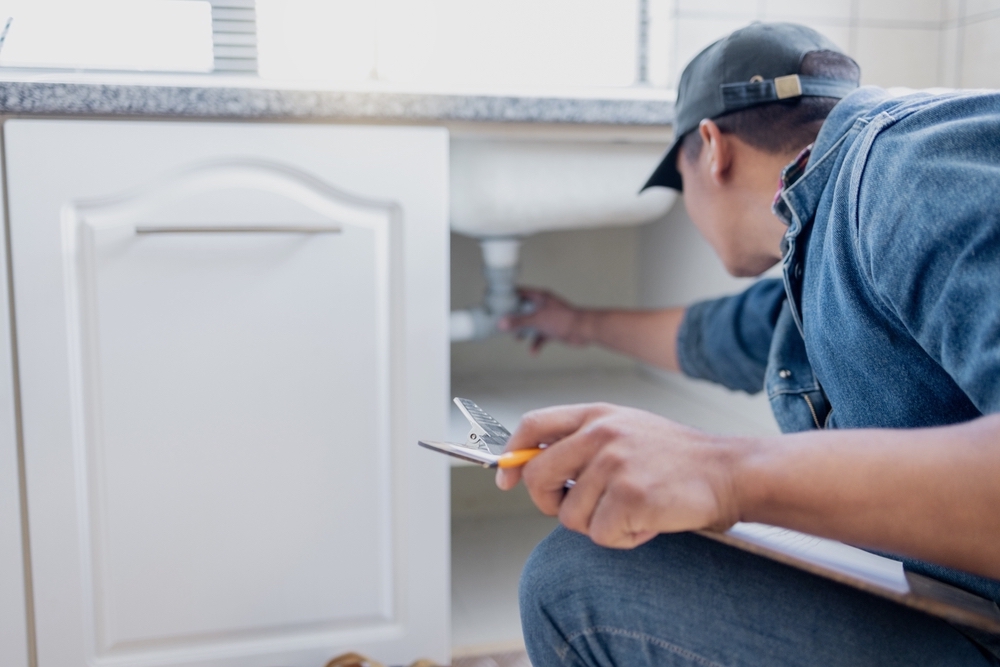
There's nothing quite as alarming as discovering a gas leak or a sudden burst pipe in the middle of the night, leaving you scrambling for emergency plumbing services. In these high-stress situations, it's easy to get overwhelmed and make costly mistakes that can lead to extensive water damage, or even worse, put your safety at risk.
That's why it's essential to be prepared and well-informed about tackling urgent plumbing issues, whether it's a malfunctioning water heater or a failing sump pump. With this comprehensive guide, we aim to provide you with the knowledge and resources to effectively handle any plumbing emergency that comes your way.
One of the most frequently asked questions homeowners have when faced with a plumbing issue is whether to attempt a DIY plumbing repair or call an emergency plumber repair service. Knowing when to take matters into your own hands and when to seek professional help can save you time, money, and prevent further damage to your property.
In this guide, we will cover the necessary steps to turn off the water supply, identify common plumbing problems, and provide tips on how to address them during regular business hours or after-hours when a 24-hour plumber might be needed.
From dealing with a burst water line to addressing sewer line issues, we've got you covered with practical advice for all aspects of your plumbing systems. We'll also discuss the importance of regular maintenance, such as checking your water heater and sump pump, to prevent future emergencies.
Additionally, we'll provide guidance on how to call your gas company in the event of a gas leak and share crucial information on minimizing water damage from unexpected plumbing disasters. With this guide, you'll be well-equipped to confidently tackle any emergency service and keep your home safe and dry.
A plumbing emergency is any situation that poses an immediate threat to your property, health, or safety due to issues related to your plumbing system. These often require urgent emergency plumbing from a professional plumber to prevent extensive damage, costly repairs, or even hazardous conditions.
Some examples of plumbing emergencies include burst pipes, severe clogs causing sewage backups, gas leaks, and significant water leaks that can lead to flooding or structural damage. In these situations, it's crucial to act quickly and seek professional help to assess the situation, mitigate the potential risks, and protect your property.
Some of the most common emergency plumbing issues include:
Deciding when to attempt DIY fixes and when to call a professional plumber, such as Tweedy Plumbing, depends on the complexity and severity of the issue at hand.
For minor problems like a clogged drain, a leaky faucet, or a running toilet, you may be able to fix the issue yourself using basic tools and online resources. But if you have no experience, it's best to call a professional plumber who can assess the situation and safely perform any necessary repairs.
However, for more complex or hazardous situations, such as a gas leak, sewer line backup, or a burst pipe, it's essential to call a professional plumber like Tweedy Plumbing. These experts have the necessary skills, experience, and equipment to handle the problem safely and efficiently.
Remember that attempting to fix more severe issues without proper knowledge can lead to further damage, costly repairs, and potential risks to your safety.
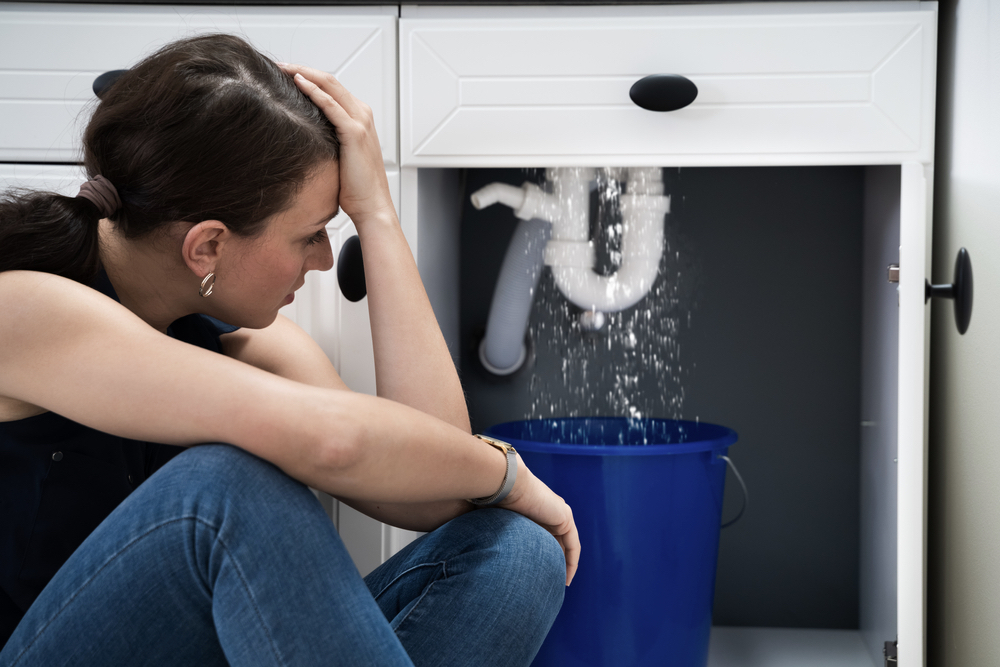 What Is Considered a Plumbing Emergency?
A plumbing emergency is any situation that poses an immediate threat to your property, health, or safety due to issues related to your plumbing system. These often require urgent emergency plumbing from a professional plumber to prevent extensive damage, costly repairs, or even hazardous conditions.
Some examples of plumbing emergencies include burst pipes, severe clogs causing sewage backups, gas leaks, and significant water leaks that can lead to flooding or structural damage. In these situations, it's crucial to act quickly and seek professional help to assess the situation, mitigate the potential risks, and protect your property.
Some of the most common emergency plumbing issues include:
- Burst pipes: Often caused by freezing temperatures or excessive pressure, burst pipes can lead to severe water damage and flooding.
- Clogged drains: Severe clogs in sinks, toilets, or main sewer lines can cause wastewater to back up and overflow, creating unsanitary conditions and potential damage.
- Gas leaks: A gas leak within your plumbing system can pose serious health risks and even lead to explosions if not addressed immediately.
- Water heater failures: A malfunctioning water heater can cause scalding hot water, leaks, or even burst, leading to water damage and potential injury.
- Sump pump failure: If your sump pump stops working during heavy rainfall or flooding, it can result in water damage to your basement or foundation.
When Should I Attempt DIY Fixes, and When Should I Call a Professional Plumber?
Deciding when to attempt DIY fixes and when to call a professional plumber, such as Tweedy Plumbing, depends on the complexity and severity of the issue at hand.
For minor problems like a clogged drain, a leaky faucet, or a running toilet, you may be able to fix the issue yourself using basic tools and online resources. But if you have no experience, it's best to call a professional plumber who can assess the situation and safely perform any necessary repairs.
However, for more complex or hazardous situations, such as a gas leak, sewer line backup, or a burst pipe, it's essential to call a professional plumber like Tweedy Plumbing. These experts have the necessary skills, experience, and equipment to handle the problem safely and efficiently.
Remember that attempting to fix more severe issues without proper knowledge can lead to further damage, costly repairs, and potential risks to your safety.
How Much Does an Emergency Plumber Cost?
The cost of hiring an emergency plumber can vary significantly depending on the nature and severity of the plumbing issue, as well as your location and the time of day or night you require their services. Simple problems like a clogged drain or a toilet issue may be less expensive to fix, whereas more complex or extensive problems, such as a burst pipe, may require a higher cost due to the labor and materials involved. Emergency plumbing services typically charge a higher rate than regular business hours services, as they need to accommodate the urgency of the situation and the potential inconvenience of working outside standard hours. It's not uncommon for emergency plumbers to charge a flat fee for the initial call-out, followed by an hourly rate for the work performed. To get a better understanding of the potential costs involved in your specific situation, it's essential to contact a reliable and trustworthy local plumbing company like Tweedy Plumbing. We can provide you with an accurate estimate based on the details of your plumbing emergency and ensure that the job is done professionally and efficiently. Keep in mind that while the cost of an emergency plumber may seem high, addressing the problem quickly can save you money in the long run by preventing further damage to your property and avoiding costly repairs down the line.Best Emergency Plumbing in Newport Beach, CA
When faced with urgent plumbing issues, trust the experienced professionals at Tweedy Plumbing to provide prompt, reliable, and high-quality service. Our team is dedicated to resolving your plumbing problems efficiently and effectively, ensuring that your home remains safe and functional. Don't hesitate – when you need an expert emergency plumber, choose Tweedy Plumbing for unparalleled service and expertise. Contact us now, and let our skilled technicians put your worries to rest and restore your plumbing system to its optimal condition.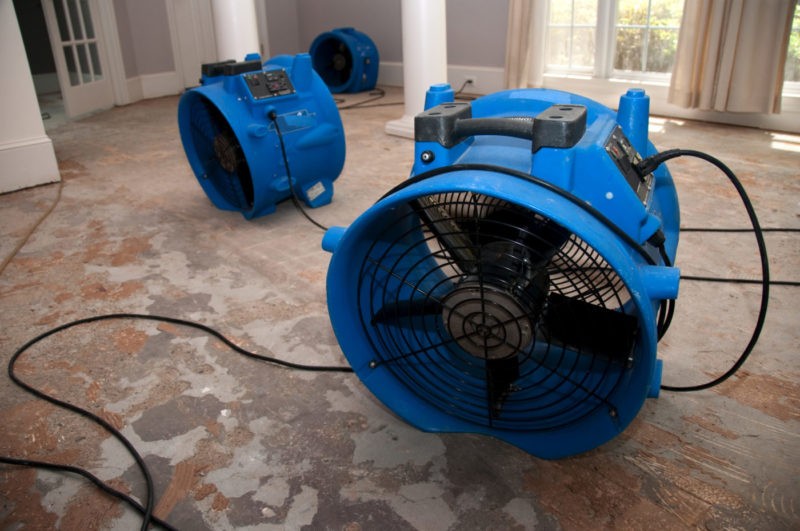
Facts About Water Damage Restoration In Costa Mesa
Regardless of where you live, a leak, plumbing system backup or a significant storm can create a flow of water in the most inconvenient places requires prompt action to offset many types of damage to your home or business, as well as its contents. Are you looking for water damage restoration in Costa Mesa? If you are searching for a firm to take care of your moisture or flood damage, we have solutions. Tweedy Plumbing & Restoration has the top professional team to restore your property and possessions following damage due to water.