

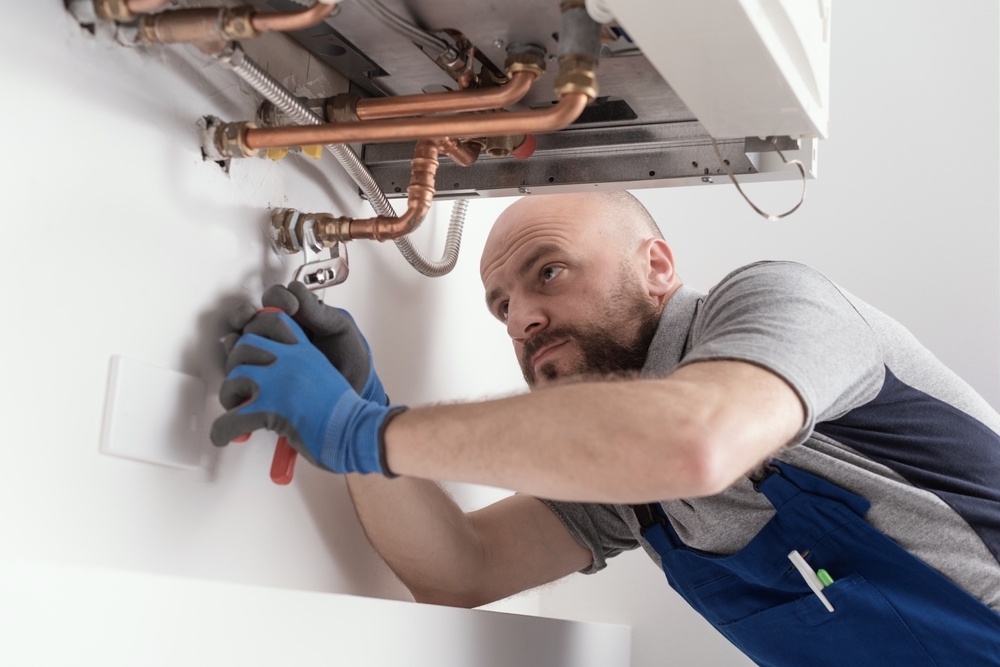
Gas lines are an essential part of modern plumbing systems, providing fuel for water heaters, stoves, dryers, and home heating systems. Because they operate quietly in the background, most homeowners rarely think about them until something goes wrong. Unfortunately, a gas line leak can pose serious safety risks if ignored, leading to health hazards, property damage, or even explosions.
Recognizing early warning signs and knowing when to act can make all the difference in preventing accidents and protecting your home. Below are the key indicators of a gas line leak and why professional assistance is always necessary.
 Unusual Odors and Sounds
Natural gas is naturally odorless, but utility companies add a chemical called mercaptan to help detect leaks easily. This compound gives gas its distinct rotten-egg smell. When that odor appears suddenly, especially near appliances or gas lines, it is often the first and most obvious warning sign.
Alongside odors, you may also notice unfamiliar sounds coming from pipes or walls. Subtle noises often suggest a leak is escaping under pressure.
Common sensory warnings include:
- Sulfur or rotten-egg smell. Indicates escaping gas through cracks or loose fittings.
- Hissing or whistling noises. Suggests pressurized gas escaping from small holes or loose connections.
- Air movement near pipes. Gas escaping under high pressure can feel like a breeze.
These signs warrant immediate attention. Avoid turning on lights or electrical devices, and leave the area while contacting professionals who specialize in gas lines.
Dying Vegetation and Outdoor Indicators
Gas leaks are not always confined indoors. In many cases, they begin underground or outside the home and spread toward interior lines. Since gas displaces oxygen, it suffocates plant roots and creates visible damage to surrounding vegetation.
Outdoor warning signs often include:
- Dead or discolored grass patches. Healthy lawns may show circular areas of dead or yellowing grass above buried lines.
- Wilting plants near gas meters. Indoor plants can wilt if leaks occur nearby due to reduced air quality.
- Bubbling water puddles. If a gas line passes under wet soil, escaping gas may create bubbles on the surface.
These indicators are easy to overlook but are strong evidence of leaks beneath the surface. Because these conditions can worsen over time, outdoor inspections are just as important as indoor checks when maintaining gas safety.
Physical Symptoms and Health Effects
Exposure to natural gas can cause noticeable health effects long before structural issues appear. Even small leaks can release enough gas to affect indoor air quality, leading to discomfort or illness.
Common symptoms of gas exposure include:
- Frequent headaches or dizziness. Often caused by oxygen deprivation or low-level gas buildup.
- Nausea or fatigue. Continuous exposure may cause weakness or confusion.
- Irritation of the eyes or throat. Gas exposure can dry out and irritate the respiratory passages.
- Sudden drowsiness. Indicates higher gas concentrations, reducing available oxygen indoors.
These symptoms often improve when you step outside, which is a strong sign that gas exposure may be occurring indoors. If several household members experience similar symptoms at the same time, the risk is high. Leave the premises immediately and contact emergency services or a qualified professional to assess the gas lines safely.
Appliance Malfunctions and Irregular Operation
Gas-powered appliances rely on a steady fuel flow for proper combustion. When a gas line leak interferes with that flow, appliances often behave erratically or fail to perform efficiently.
Watch for these warning signs:
- Flickering pilot lights. A fluctuating flame indicates air intrusion or inconsistent gas flow.
- Orange or yellow flames. Gas appliances should produce steady blue flames; discoloration signals incomplete combustion.
- Slow heating or weak performance. Water heaters and stoves may take longer to reach normal temperatures.
- Unexpected gas smell during use. Indicates internal leakage or loose fittings within the appliance connection.
Improper installation is another contributing factor to gas leaks. A poorly fitted gas line or an unsealed appliance connection can cause pressure irregularities. To learn more about avoiding installation-related hazards, check out this detailed guide on appliance connection issues.
Professional Inspection and Preventive Measures
Routine inspection of gas lines is the best way to prevent leaks from developing in the first place. Over time, lines can corrode, loosen, or weaken from environmental conditions, especially in coastal areas or older homes. Professional plumbers use specialized detection tools to identify leaks early without disrupting your property.
Preventive steps include:
- Scheduling regular inspections. A licensed plumbing inspection ensures fittings and joints are secure and compliant with safety codes.
- Replacing aging lines. Old galvanized or corroded pipes should be updated with modern materials like flexible stainless steel.
- Monitoring gas appliances. Regular servicing ensures burners, regulators, and seals operate correctly.
- Installing gas detectors. These devices alert homeowners to leaks long before symptoms appear.
Periodic professional checks not only prevent hazards but also keep your home insurance valid. For more information on why certified inspections are essential, see this resource explaining the importance of plumbing inspections.
Stay Alert, Stay Protected
Gas leaks are among the most dangerous household issues because they can develop silently and escalate quickly. Early detection and preventive maintenance protect both your property and the health of everyone inside. If you notice any of the warning signs mentioned above, immediate professional evaluation is crucial to prevent further damage or risk.
For expert inspection, testing, and repair of your home’s gas lines, contact Tweedy Plumbing and Restoration to ensure your system remains safe, efficient, and fully compliant with modern safety standards.