

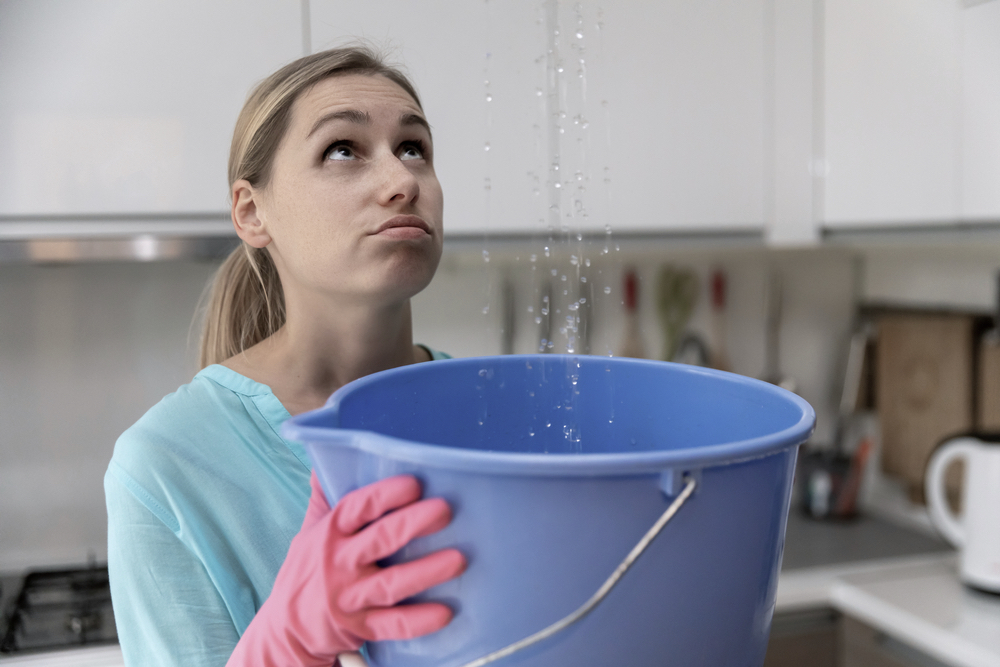
Water damage rarely begins with a dramatic burst pipe. More often, it starts quietly. A small crack in a supply line. A loose fitting behind a wall. A slow-draining connection seeps into a crawl space. Over time, these subtle issues can compromise drywall, flooring, framing, and even indoor air quality.
From a professional plumbing perspective, early detection is the key to limiting structural impact and avoiding extensive restoration. Knowing what to look for allows homeowners to intervene before moisture spreads and major water leak repair becomes necessary.
 Unusual Water Bills and Meter Behavior
A hidden leak often reveals itself first through usage patterns rather than visible damage. Monitoring water consumption is one of the most effective early detection tools available.
Watch for these warning signs:
- A noticeable increase in monthly water bills without lifestyle changes
- A water meter that continues to move when all fixtures are off
- The sound of running water behind walls when no taps are open
- Frequent cycling of a pressure system or well pump
If the meter registers activity after shutting off all appliances and faucets, a concealed supply leak is likely present. These leaks commonly occur behind drywall or beneath slabs, making visual confirmation difficult.
Professional leak detection equipment, such as acoustic listening tools and pressure testing systems, allows for precise identification before invasive removal begins. Accurate diagnostics are essential for efficient water leak repair and minimal disruption.
Interior Surface Changes That Signal Moisture
Hidden leaks rarely stay completely invisible. Subtle changes inside the home often appear before major structural failure.
Be alert for:
- Discolored ceiling patches or wall staining
- Bubbling or peeling paint
- Warped hardwood or laminate flooring
- Soft drywall sections
- Persistent musty odors
Moisture trapped behind surfaces creates an environment where mold can develop. Even small leaks can compromise insulation and framing over time. Surface patching without identifying the origin of moisture only delays larger problems.
When discoloration or odor appears without an obvious source, a comprehensive plumbing inspection becomes necessary. Thorough investigation ensures water leak repair addresses the actual failure point rather than temporary symptoms.
Foundation and Slab Leak Indicators
Leaks beneath concrete slabs are among the most serious because they can remain undetected for extended periods. Over time, underground supply line failures may weaken soil support and affect structural stability.
Watch for:
- Warm or damp areas on flooring
- Cracks forming in tile or slab surfaces
- A sudden drop in water pressure
- The sound of water moving beneath floors
- Mold growth along baseboards
Slab leaks often result from pipe corrosion, shifting foundations, or long-term material fatigue. Because these lines are embedded in concrete, locating the exact point of failure requires specialized detection tools.
Targeted identification allows precise water leak repair rather than widespread demolition. Early intervention significantly reduces restoration complexity.
Drain System Warning Signs That Should Not Be Ignored
Drain lines can leak as well, particularly at aging joints or deteriorating pipe sections. Unlike pressurized supply leaks, drain leaks often show symptoms only when fixtures are used.
You may notice:
- Recurring slow drains throughout multiple fixtures
- Foul odors near sinks or floor drains
- Dampness in crawl spaces or basement areas
- Gurgling sounds during draining
- Unexplained moisture around plumbing stacks
Chronic drainage issues often require more than surface cleaning. For a deeper explanation of why persistent drainage problems demand expert attention, review this resource on slow drains that need pros.
Professional camera inspections allow plumbers to identify cracked sections, joint separation, or internal buildup contributing to leaks. Accurate evaluation ensures that water leak repair resolves the full extent of the issue rather than offering temporary relief.
Outdoor and Underground Leak Clues
Not all hidden leaks occur indoors. Underground service lines and irrigation systems can fail without visible flooding.
Be aware of:
- Soggy areas in the yard during dry weather
- Unusually green patches of grass in isolated areas
- Soil erosion near the foundation
- Exterior wall cracks developing unexpectedly
- Pressure drops when using outdoor spigots
Underground pipe failures may result from corrosion, shifting soil, or root intrusion. If left unresolved, these leaks can destabilize soil beneath slabs and compromise foundation support.
Routine inspections play an essential role in early detection. For guidance on maintaining plumbing systems proactively, explore insights on scheduled plumbing maintenance. Consistent evaluations reduce the likelihood of unexpected underground failures.
The Importance of Professional Leak Detection
Modern plumbing systems are intricate networks of supply and drain lines that extend through walls, ceilings, crawl spaces, and underground pathways. Hidden leaks require systematic diagnostics rather than guesswork.
Professional leak detection methods may include:
- Pressure testing supply systems
- Acoustic leak detection equipment
- Drain camera inspections
- Moisture mapping tools
- Targeted isolation testing
These techniques allow plumbers to pinpoint failures without unnecessary structural removal. Efficient water leak repair depends on identifying the exact origin of moisture.
Prolonged damp conditions can also create environments that attract pests such as rodents, insects, and termites that thrive in moisture-rich areas. Preventing water intrusion reduces the risk of structural damage and secondary infestations.
Addressing leaks early protects both the building envelope and indoor air quality. Waiting for visible damage often increases restoration costs and repair timelines.
Take Control Before Water Takes Over
If you suspect hidden moisture in your home, a professional inspection is the most reliable next step. Contact Tweedy Plumbing and Restoration to schedule a detailed assessment and protect your property from unseen water damage.