

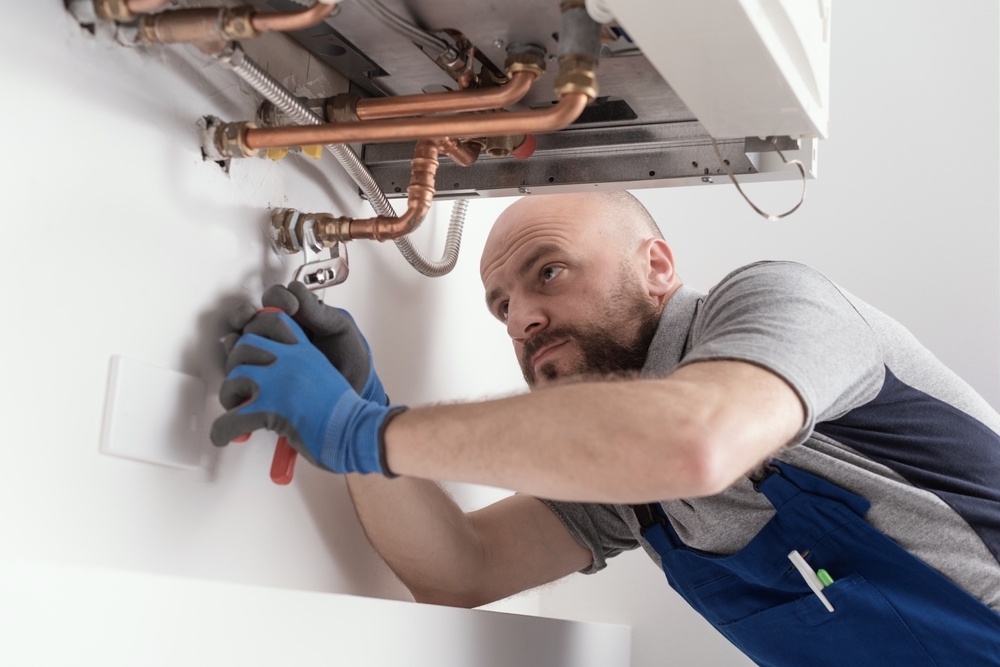
Gas-powered appliances make daily life easier, from cooking to hot water to heating. When a gas system is operating correctly, it is designed to be safe and efficient. The problem is that leaks can develop quietly at connectors, valves, flexible lines, or underground sections, and the consequences grow more serious the longer gas leak detection is delayed.
From an expert perspective, delayed detection is not only a comfort issue or an inconvenience. It is a safety issue that can affect health, property integrity, and long term repair scope. Understanding what happens over time helps clarify why prompt professional assessment is the safest, most efficient path.
The Immediate Safety Risks That Grow With Time
Gas is combustible, and its risk profile changes fast when it is allowed to accumulate. Even small leaks can become dangerous when ventilation is poor, when ignition sources are nearby, or when a leak continues unnoticed for hours or days.
Delaying gas leak detection can lead to:
- Increased fire and explosion risk as gas concentration rises in enclosed areas
- Higher likelihood of ignition from pilot lights, switches, appliances, or static electricity
- Respiratory irritation, headaches, dizziness, or nausea from prolonged exposure
- Greater danger for children, older adults, and anyone with underlying respiratory conditions
- Increased chance of secondary hazards if combustion becomes incomplete and carbon monoxide forms
Because gas is invisible, relying on smell alone is not enough. Odorant levels can vary, and people can become desensitized to the smell over time. Professional detection tools measure gas levels accurately and help locate leak points safely, without trial and error.
How Delays Increase Structural and Mechanical Damage
While safety is the top concern, delayed gas leak detection can also stress the system itself. Leaks often indicate a problem at a fitting, a weakened connection, corrosion on a pipe segment, or shifting conditions around a line.
Over time, a persistent leak may contribute to:
- Accelerated corrosion at joints and connectors
- Degradation of seals, gaskets, and valve components
- Appliance performance problems due to inconsistent gas pressure
- Higher strain on equipment as it attempts to operate outside ideal pressure ranges
- Greater likelihood that one weak point becomes multiple points of failure
Underground leaks can be especially problematic because the location is hidden, and soil movement can worsen the condition. The longer the line leaks, the greater the chance the affected section expands, which increases repair complexity later.
Repair Scope Expands When Detection Is Postponed
A leak identified early may be limited to a small repair zone. A leak found late often requires broader testing, additional access points, and more extensive system verification to ensure safety.
When gas leak detection is delayed, repair escalation often includes:
- More damaged line length requiring replacement instead of a single connector repair
- Increased labor due to more difficult access and longer diagnostic time
- Additional restoration work if walls, floors, or exterior areas must be opened
- Greater risk of appliance connection issues that require recalibration
- Longer downtime while the system is made safe and brought back to code
Early detection supports targeted repair, which is both safer and less disruptive. For a clear, practical overview of early indicators that suggest a gas leak may be present, see gas leak warning signs. Recognizing these cues early helps reduce the chance that a small issue becomes a major repair project.
Secondary Impacts on Indoor Conditions and Property Vulnerability
Gas leaks do not always remain an isolated plumbing issue. They can affect indoor conditions and expose other vulnerabilities, especially if the leak is associated with shifting connections, wall penetrations, or mechanical strain on nearby systems.
Delayed gas leak detection may contribute to:
- Reduced indoor air quality due to lingering gas presence
- Increased humidity or ventilation issues if appliances malfunction or shut down
- Soil disruption outdoors when underground lines are involved
- Gaps around penetrations that can create entry points for pests like rodents and insects
- Higher overall risk of compounding damage when multiple systems are impacted
While gas itself does not attract pests, structural gaps and utility entry points often do. Rodents and insects can exploit small openings around lines, especially when seals deteriorate. Keeping gas lines properly sealed and maintained helps reduce property access points and protects the building envelope.
In addition, prolonged system inefficiency can raise operating costs. A leak is not only a safety issue, it can be an ongoing fuel loss that adds up over time.
Why Professional Testing Is the Most Efficient and Safe Approach
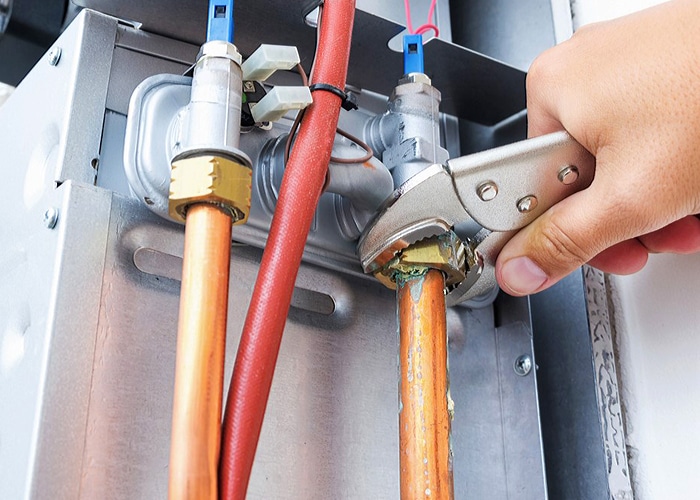
Gas line work requires training, specialized equipment, and strict safety procedures. Professional gas leak detection is designed to locate leaks precisely and confirm that the entire system is operating within safe parameters.
A professional evaluation typically includes:
- Pressure testing to identify drops that indicate leakage
- Electronic sensing tools to pinpoint leak locations
- Inspection of fittings, shutoff valves, and appliance connectors
- Verification that repairs meet safety and code requirements
- Post-repair confirmation testing to ensure system integrity
This approach prevents guesswork and reduces the risk of overlooking secondary leak points. It also ensures that the system is restored safely, not just temporarily quieted.
If you want a deeper look at how professional detection services are handled in a local context and what a proper evaluation includes, review information on gas leak repairs here. Understanding the process makes it easier to respond quickly when warning signs appear.
Catch the Risk Before It Spreads
If a gas system seems off, delays can raise the risk and increase repair scope. Contact Tweedy Plumbing and Restoration to request a professional gas system inspection and restore safety with accurate detection.