


Choosing a new water heater is not only about replacing an old unit with a newer model. The right choice depends on how much hot water a household uses, how much installation space is available, the condition of existing plumbing, and whether long-term operating efficiency matters.
Tankless heaters can be a strong option for many Orange County homes, but they are not automatically the best fit for every property. A professional assessment helps determine whether the system can meet peak demand, whether gas or electrical capacity is adequate, and what installation changes may be required.
 Choose Tankless When Hot-Water Demand Is Consistent
Tankless systems heat water as it is needed instead of storing a large volume in a tank. This can work especially well for households that want a steady supply of hot water without dedicating space to a conventional storage unit.
Tankless heaters may be worth considering when:
- Multiple bathrooms create frequent hot-water use
- Family members often shower at different times
- The existing water heater occupies valuable storage space
- Homeowners want to reduce standby heat loss
- A remodel creates an opportunity to update the water-heating system
- The current unit is nearing replacement age
Sizing still matters. A tankless unit must be able to handle the flow rate required when several fixtures run at the same time. A system that is too small may struggle during peak use, while an oversized unit can add unnecessary installation cost.
Consider Space, Venting, And Utility Requirements
One advantage of tankless heaters is their compact size. Wall-mounted units can free floor space in garages, utility rooms, or other tight areas, which can be useful in Orange County homes where storage and mechanical space are limited.
Installation, however, involves more than mounting a smaller appliance. Gas-fired models may require proper venting and enough gas-line capacity. Electric units may require sufficient electrical service. Existing water lines, shutoff valves, drainage, and mounting locations also need to be evaluated.
Professional installation is important because these systems must be matched to the home, not simply connected where the old tank was located. A technician can assess utility capacity, venting routes, fixture demand, and code-related requirements before recommending a specific unit.
Factor In Maintenance And Local Water Conditions
Tankless systems still require maintenance, particularly in areas where mineral buildup can affect heat exchangers and internal passages. Orange County properties may experience hard-water conditions that make routine flushing and descaling especially important.
Helpful maintenance priorities include:
- Flushing mineral buildup from the system as recommended
- Checking filters and strainers for debris
- Inspecting valves and connections for leakage
- Reviewing temperature settings for efficient operation
- Checking venting on gas-fired units
- Scheduling periodic professional evaluation
Regular water-heater maintenance can help preserve efficiency and identify developing problems before they lead to larger repairs.
A tankless system may offer long-term advantages, but those benefits depend on maintenance being treated as part of ownership rather than an optional extra.
Use Professional Evaluation Before Replacing A Tank
Not every aging water heater should automatically be replaced with a tankless system. In some homes, a conventional tank remains the more practical choice based on budget, existing infrastructure, or hot-water demand.
A professional evaluation can compare the condition of the existing unit with the cost and requirements of conversion. This is especially important when a home would need gas-line upgrades, new venting, electrical changes, or additional plumbing work to support tankless equipment.
The value of professional plumbing service becomes clearer when several systems interact. Water heaters depend on supply lines, shutoff valves, venting, gas or electrical service, and drainage. An installation decision should account for all of them.
That broader assessment helps homeowners avoid choosing equipment based only on advertised efficiency or compact size while overlooking the practical requirements of the property.
Think Long-Term About Cost, Comfort, And Performance
Tankless heaters can make sense when homeowners plan to stay in the property long enough to benefit from their space-saving design, on-demand operation, and potentially lower standby energy use. The decision should still balance installation cost with household needs.
Before choosing a system, consider:
- Expected hot-water demand during the busiest part of the day
- Available gas or electrical capacity
- Installation and possible upgrade costs
- Space saved compared with a storage tank
- Maintenance requirements under local water conditions
- Long-term plans for the home
A carefully sized and professionally installed system is more likely to deliver the comfort homeowners expect. Poor sizing, overlooked utility limitations, or skipped maintenance can reduce those benefits.
Tankless heaters are most useful when the property and household are good matches for the technology. For some Orange County homes, they provide an efficient and space-conscious solution. For others, a high-quality storage water heater may remain the better fit. The goal is to choose the system based on real household demand, existing infrastructure, and long-term value rather than assuming one option is best for everyone.
Find The Right Hot-Water Fit
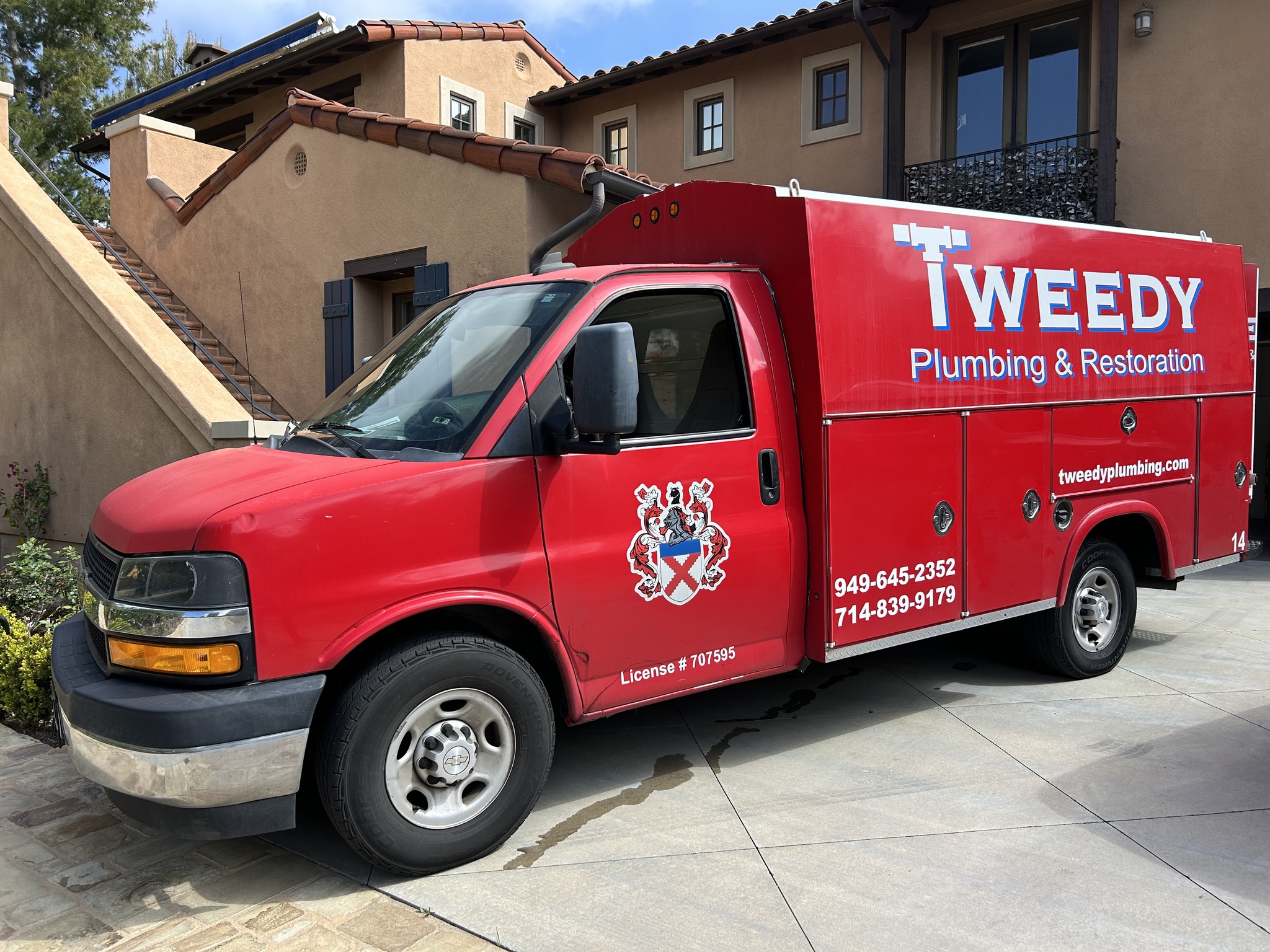
If you are considering tankless heaters for your Orange County home, contact Tweedy Plumbing and Restoration for professional water-heater evaluation, installation, replacement, and maintenance guidance tailored to your property.