
Hot water is essential for bathing, cleaning, laundry, and everyday comfort, but excessive temperature can turn a normal fixture into a burn hazard. Scald injuries can happen quickly, especially when water temperature is too high or a plumbing component fails to regulate hot and cold water correctly.
Preventing water heater injuries requires attention to temperature, fixtures, system condition, and the people using the home. Children, older adults, and people with reduced mobility or sensation may be more vulnerable because they may react more slowly to dangerously hot water. Professional water-heater service helps homeowners identify risks before they lead to an emergency.
 Keep Hot-Water Temperatures Within A Safer Range
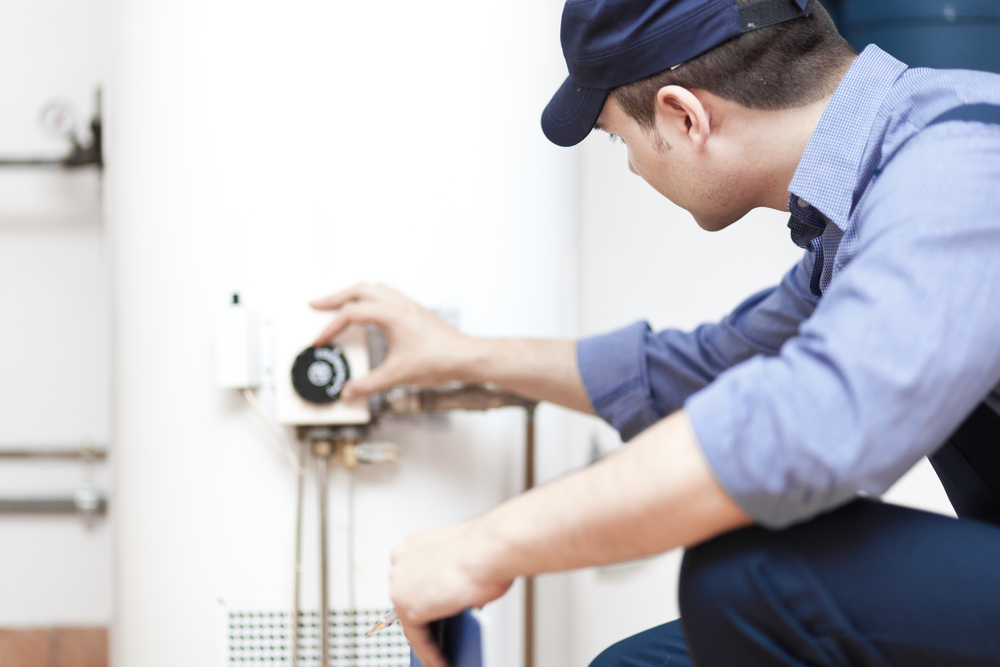
The U.S. Consumer Product Safety Commission recommends setting residential water heaters to no more than 120 degrees Fahrenheit to help reduce the risk of scald burns. Actual faucet temperature can vary with system condition, so unexpected heat deserves evaluation.
Important safety considerations include:
- Keeping water-heater temperature near the recommended household range
- Checking for sudden temperature swings at showers and faucets
- Using anti-scald or temperature-limiting devices where appropriate
- Paying extra attention to fixtures used by children or older adults
- Reporting water that becomes unusually hot without adjustment
- Scheduling service when temperature control becomes inconsistent
A qualified plumber can confirm whether the heater, thermostat, mixing valve, or fixture is contributing to unsafe temperatures rather than relying on guesswork.
Understand How Water-Heater Type Affects Temperature Control
Traditional tank and tankless systems heat water differently, but both depend on correct installation, proper settings, and functioning controls. Tank-style units store heated water, while tankless systems heat water as it flows through the equipment.
Homeowners considering tankless heater options should look beyond convenience alone. Flow demand, incoming water temperature, gas or electrical capacity, venting, and system sizing can all influence performance. Correct sizing supports more consistent hot-water delivery.
If a heater produces water that is much hotter than expected, shuts down unpredictably, or cannot maintain stable temperatures, professional diagnosis is important. Adjusting symptoms without identifying the cause can overlook worn controls, mineral buildup, flow problems, or installation issues that affect safe operation.
Maintain Fixtures And Safety Components
The water heater is only one part of the hot-water system. Shower valves, faucet cartridges, mixing valves, pressure-balancing components, and shutoff valves also influence how hot water reaches the user.
Routine attention should include:
- Checking shower controls for delayed or sudden temperature changes
- Replacing worn fixtures that no longer mix water consistently
- Inspecting temperature-limiting or anti-scald devices for proper operation
- Monitoring water pressure that may affect fixture performance
- Servicing water heaters according to system and manufacturer needs
- Addressing leaks or corrosion before nearby components deteriorate
Maintenance is particularly important in areas with mineral-heavy water because scale can affect water heaters, valves, and tankless heat exchangers. Professional service can identify buildup and worn components before they contribute to unreliable hot-water delivery.
Maintenance also helps assess whether an older heater still suits household demand.
Do Not Ignore Broader Plumbing Problems
Inconsistent hot-water temperatures are not always caused by the water heater itself. Aging pipes, corrosion, pressure changes, failing valves, and restricted flow can affect how hot and cold water mix at fixtures.
When a home experiences recurring leaks, discolored water, reduced pressure, or repeated pipe repairs, broader plumbing evaluation may be necessary. Understanding when repiping makes sense can help homeowners recognize when isolated repairs are no longer addressing the condition of the overall system.
This matters for scald prevention because safe hot-water delivery depends on predictable flow as well as heater temperature. A professional plumber can evaluate the heater and distribution piping together, identify pressure or flow concerns, and determine whether a fixture problem is localized or part of a larger plumbing issue.
Build Scald Prevention Into Everyday Home Safety
Preventing water heater injuries works best when the entire household understands that unexpectedly hot water deserves attention. Small warning signs should not be dismissed simply because the heater still produces hot water.
A practical safety plan may include:
- Testing water carefully before bathing a child or vulnerable adult
- Teaching family members to report sudden temperature changes
- Keeping young children from adjusting hot-water controls unsupervised
- Having temperature-control problems evaluated promptly
- Scheduling professional maintenance for aging water-heating equipment
- Rechecking system performance after plumbing or fixture changes
A reliable hot-water system should provide comfort without unpredictable extremes. When temperatures fluctuate, fixtures respond poorly, or the heater shows signs of wear, an inspection can identify the source before someone is hurt.
Professional maintenance also helps homeowners make informed decisions about repairs, replacement, tankless upgrades, or plumbing improvements. The goal is not simply to keep hot water available. It is to keep the system operating predictably, efficiently, and with appropriate safeguards for everyone who uses it.
Make Safer Hot Water Part Of Home Maintenance
If your water heater produces excessive heat, inconsistent temperatures, or other warning signs, contact Tweedy Plumbing and Restoration for professional water heater inspection, repair, maintenance, and replacement guidance.