

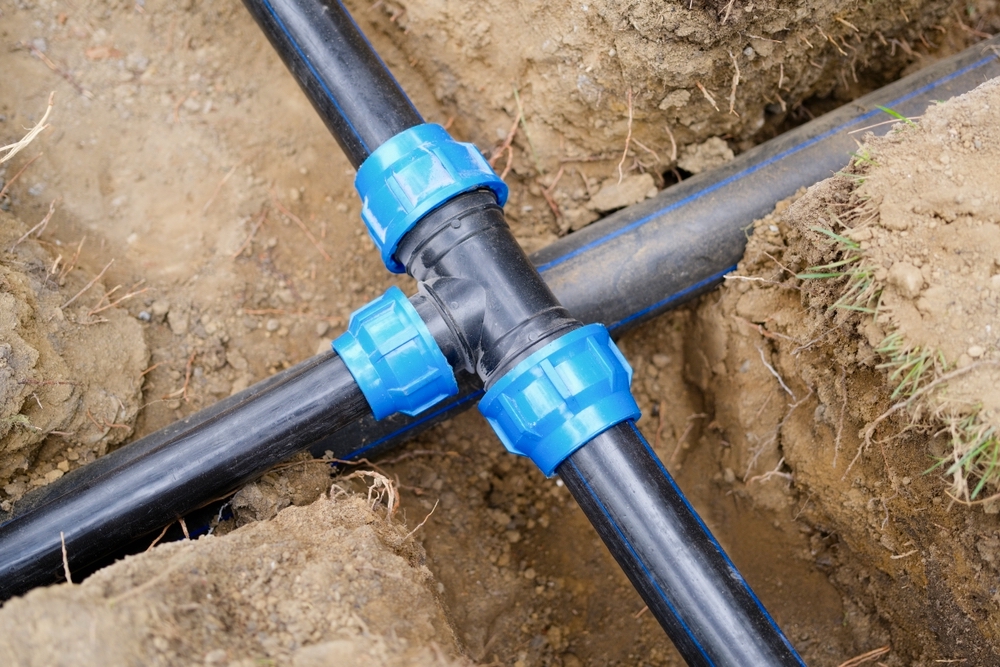
A plumbing repair can be the right response when one fitting fails, a single pipe section cracks, or damage is clearly isolated. The decision becomes more complicated when leaks keep returning in different rooms, water pressure continues to decline, or aging materials show widespread corrosion. In those situations, repeated patching may restore service temporarily without correcting the condition of the larger piping system.
Repiping replaces part or all of the water-supply network with durable modern materials. Professional diagnosis helps determine whether that broader investment is justified. The decision should reflect pipe age, material, leak history, water quality, pressure, access, and continued repair costs.

Repeated Leaks Can Reveal System-Wide Deterioration
One leak does not automatically mean a property needs repiping. However, several leaks appearing over a short period can indicate that the piping has reached a stage where new failures are likely. Corrosion, thinning pipe walls, deteriorated fittings, and age-related wear often affect more than the first visible location.
Warning signs may include:
- Leaks developing in different rooms or pipe sections
- Water stains returning after earlier repairs
- Corroded fittings, pinhole leaks, or weakened joints
- Repeated emergency shutoffs and restoration work
- Rising repair costs without lasting improvement
A professional assessment separates an isolated defect from widespread deterioration. Leak detection, pressure testing, and visual evaluation help plumbers determine whether another targeted repair is reasonable or whether continued patching is likely to become inefficient.
Maintenance Records Show When Patches Stop Making Sense
Repair history provides valuable evidence. Occasional fixture work may coexist with dependable piping, while frequent supply-line failures may show that the system is steadily declining.
The value of restroom maintenance planning extends beyond high-use fixtures. Records of leaks, low-pressure complaints, corroded connections, and repeated shutdowns can reveal patterns that isolated service calls may miss. This is especially useful where several restrooms or tenant areas share supply lines.
Plumbers compare the location, frequency, and cause of earlier repairs. When failures are scattered across the system rather than concentrated in one damaged area, partial or complete repiping may offer a more dependable long-term solution.
Water Quality And Pressure Can Point To Aging Pipes
Old or deteriorating pipes do not always announce themselves with an active leak. Internal corrosion and mineral buildup can restrict flow, affect water appearance, and create inconsistent pressure. Galvanized steel, aging copper, and certain older plastic materials may require closer evaluation depending on their condition and installation history.
Signs that deserve professional review include:
- Rust-colored, cloudy, or metallic-tasting water
- Weak pressure at several fixtures
- Pressure changes when multiple fixtures operate
- Slow hot-water delivery despite functioning equipment
- Visible corrosion around exposed supply piping
These symptoms can also have other causes, including valve trouble, fixture buildup, or water-heater conditions. Accurate diagnosis is essential before recommending repiping. A plumber evaluates the entire system so that replacement is based on evidence rather than age alone.
Professional Diagnosis Prevents Unnecessary Replacement
Repiping is a significant project, so it should follow a careful inspection rather than assumptions. The goal is to determine whether existing lines remain repairable or whether their overall condition makes replacement more practical.
The reasons professional plumbing diagnosis matters are especially clear when piping is hidden behind walls, beneath slabs, or above finished ceilings. A visible drip may originate from another location, and pressure loss may involve valves, buildup, or multiple weak sections.
A complete evaluation may include:
- Reviewing pipe materials, age, and prior modifications
- Locating active and concealed leaks
- Checking pressure, flow, and fixture performance
- Assessing access through walls, ceilings, or slab areas
- Comparing targeted repair with partial or full repiping
This process helps property owners understand the likely service life, disruption, and long-term value of each option.
Repiping Can Reduce Future Disruption And Damage
Patch repairs are useful when damage is limited, and the surrounding pipe remains sound. Repiping becomes more attractive when failures are recurring, materials are obsolete, or future leaks could cause repeated water damage. Replacing vulnerable sections at once may reduce emergency calls, wall openings, mold-related concerns, and restoration work over time.
A repiping plan should account for the property’s layout, occupied areas, water-use demands, local code requirements, and access. Professionals can limit downtime, protect finishes, test the new system, and restore water service systematically. Partial repiping may be appropriate when deterioration is limited to one branch, while whole-property replacement may make sense when the same material is failing throughout.
Cost should be viewed beyond the initial project. Several plumbing repair visits, drywall openings, damaged flooring, water loss, and business interruption can eventually exceed the value of planned replacement. Repiping may also improve flow and reliability when old lines have become restricted.
The best decision is based on confirmed pipe condition, not frustration after one leak. Professional inspection provides the evidence needed to compare a durable repair with a broader system upgrade.
Choose The Repair That Fits The Whole System
Contact Tweedy Plumbing and Restoration for professional leak detection, plumbing repair, repiping evaluation, and clear guidance based on your property’s condition.