

Commercial restrooms handle constant traffic, repeated flushing, frequent handwashing, and daily wear that can expose plumbing problems quickly. A slow drain, running toilet, leaking faucet, or hidden pipe issue may seem minor, but even a small defect can disrupt operations and affect comfort.
Smart maintenance keeps commercial restrooms dependable through routine inspections, timely repairs, preventive drain care, and attention to high-use fixtures. The goal is to catch warning signs early, reduce downtime, and keep plumbing systems working under daily demand.
 Inspect High-Use Fixtures Before Small Problems Grow
Toilets, urinals, sinks, faucets, flush valves, and supply lines experience more wear in commercial restrooms than in most residential settings. Frequent use can loosen components, wear out seals, and allow leaks to develop gradually.
A practical inspection routine should look for:
- Running toilets or urinals that waste water continuously.
- Dripping faucets and loose handles around sink areas.
- Slow drains that may signal developing buildup.
- Moisture beneath sinks, around fixtures, or near wall connections.
- Unusual noises, weak flushing, or repeated fixture malfunctions.
These signs deserve prompt attention because restroom problems can spread quickly. A slow leak may damage flooring, while an unreliable toilet can create sanitation concerns.
Professional plumbing inspections help separate fixture wear from larger system problems, allowing repairs to address the actual cause.
Plan for High-Traffic Plumbing Emergencies
Commercial buildings can face plumbing failures at inconvenient times, especially when multiple fixtures share drain, vent, or supply systems. A blocked line, overflowing fixture, failed shutoff valve, or active leak can affect more than one restroom or floor.
This is particularly important in multi-story properties, where water can travel downward and damage ceilings, walls, flooring, or equipment. This overview of high-rise plumbing emergencies explains why quick isolation, professional diagnosis, and coordinated repair matter when plumbing failures affect complex buildings.
A maintenance plan should identify main shutoff valves, reporting responsibilities, and how quickly qualified plumbing support can be reached.
Clear procedures reduce confusion and may help limit secondary water damage.
Keep Drains Moving Before Backups Disrupt Operations
Commercial restroom drains collect soap residue, hair, paper, debris, mineral buildup, and other materials over time. Even when water still drains, gradual accumulation can narrow the pipe and increase the risk of a sudden blockage.
Preventive drain maintenance may include:
- Watch for recurring slow drainage or standing water.
- Investigating gurgling sounds or unpleasant drain odors.
- Scheduling drain cleaning when the buildup keeps returning.
- Checking floor drains and rarely used fixtures for proper flow.
- Addressing repeated clogs before they become larger backups.
A one-time clearing may restore flow temporarily, but repeated problems can indicate deeper buildup, damaged piping, or an obstruction farther inside the system.
For high-use commercial restrooms, professional drain cleaning can help determine whether the issue is localized or part of a larger drainage problem.
Do Not Ignore Repeated Clogs and Drain Odors
Repeated clogs often point to more than ordinary daily use. Hair, soap residue, mineral scale, foreign objects, and pipe conditions can all contribute to recurring drainage problems.
Although shower drains are more common in gyms, hotels, healthcare facilities, and other properties with bathing areas, the same principle applies throughout commercial plumbing systems. This guide to recurring drain clogs shows how buildup can develop gradually and why repeated blockage deserves closer investigation.
A complete assessment looks at where the blockage is located, whether several fixtures are draining slowly at once, and whether mineral buildup or debris is narrowing the pipe. It also considers whether odors point to trapped waste, dry drains, venting trouble, or another drainage issue.
Persistent odors need proper diagnosis rather than temporary masking. When clogs or smells return, professional cleaning or further pipe inspection may be appropriate.
Build a Long-Term Maintenance Plan Around Actual Usage
Commercial restrooms do not all experience the same workload. A small office restroom may have different needs from facilities in restaurants, retail stores, apartment buildings, schools, hotels, or high-traffic commercial centers.
A stronger maintenance plan may include:
- Scheduling routine checks based on daily traffic and fixture use.
- Replace worn components before complete failure.
- Monitoring water use for unexplained increases.
- Cleaning drains before recurring buildup causes backups.
- Keeping records of repairs, leaks, clogs, and repeated trouble areas.
Records can reveal patterns that isolated service calls may miss. Repeated trouble with the same toilet, sink, or drain can help guide a more lasting solution.
Smart maintenance also supports long-term cost control. Addressing a worn valve, leaking connection, or slow drain early can be less disruptive than dealing with an overflow or fixture shutdown during business hours.
The best approach considers building conditions, usage patterns, fixture age, and recurring concerns. Professional plumbing support helps managers prioritize repairs, plan preventive service, and reduce unnecessary disruption.
Keep Every Restroom Ready for Daily Use
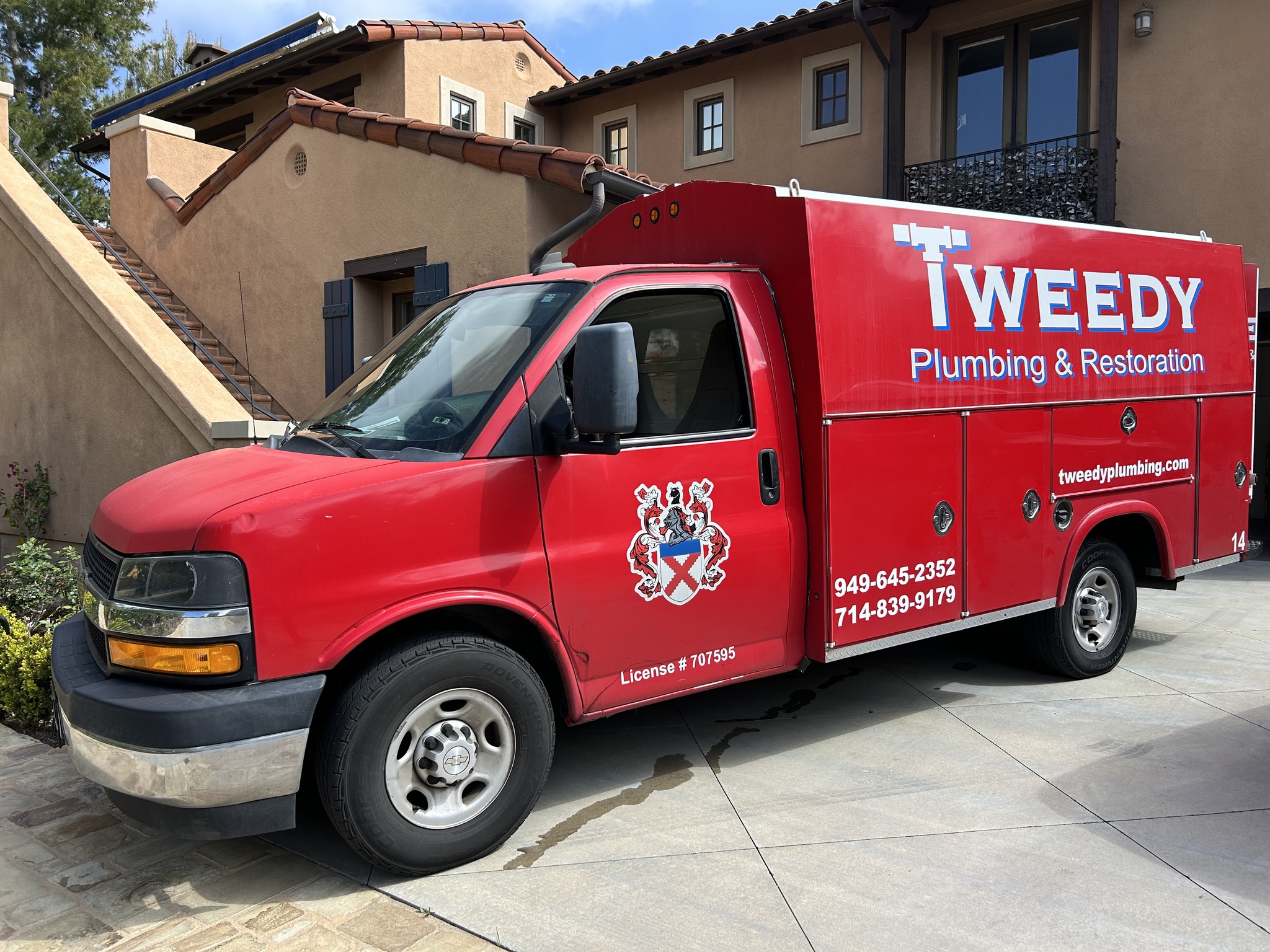
Reliable commercial restrooms support smoother operations, cleaner facilities, and a better experience for everyone who uses the property. Contact Tweedy Plumbing and Restoration for professional commercial plumbing service focused on inspections, repairs, drain care, and long-term reliability.