

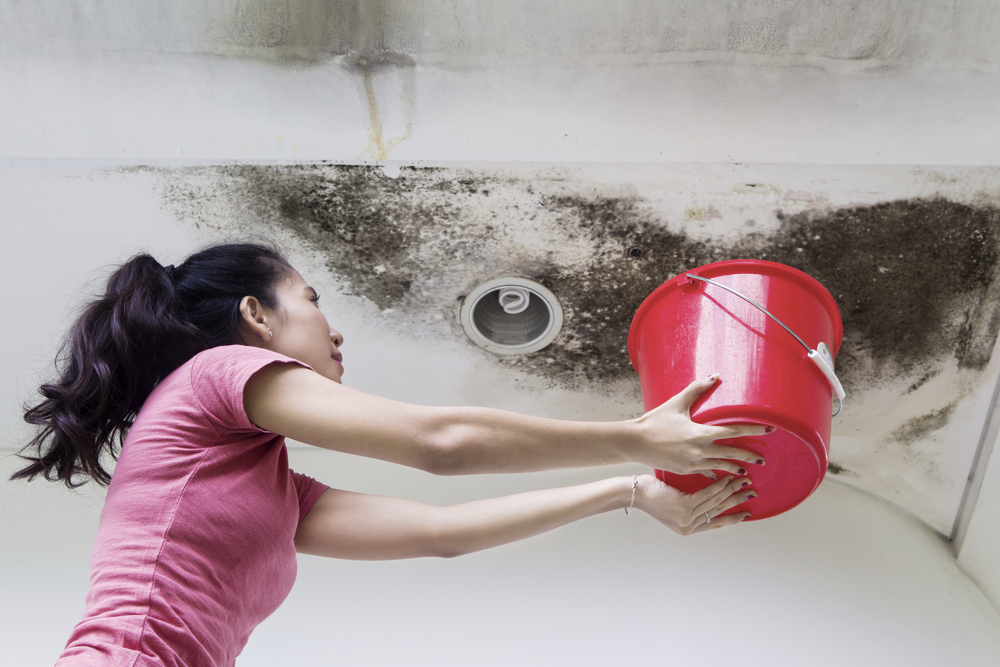
Hidden water leaks can begin quietly behind a wall, under a slab, below a sink, near a water heater, inside a ceiling, or around a fixture. The first sign may not be a puddle. It may be a higher water bill, a musty smell, a soft floor, peeling paint, or a faint stain that slowly expands. Because the source is not always visible, early detection matters.
Water leaks can affect plumbing, drywall, flooring, cabinets, insulation, and nearby structural materials. They can also lead to water damage restoration needs when moisture is left long enough to spread. A professional inspection helps identify the source, repair the plumbing properly, and reduce the chance that a small hidden leak becomes a larger home repair project.
 Watch For Subtle Changes Indoors
The earliest signs of a hidden leak are often easy to dismiss. A room may smell damp after the air conditioner runs. A cabinet may feel slightly warped. A ceiling mark may look like an old stain. These details deserve attention when they appear near plumbing lines, fixtures, appliances, or rooms with water use.
Homeowners should watch for:
- Stains on ceilings, walls, baseboards, cabinets, or flooring
- Musty odors near bathrooms, kitchens, laundry rooms, or closets
- Bubbling paint, peeling wallpaper, swollen trim, or soft drywall
- Loose flooring, warped planks, cracked tile, or damp carpet edges
- Mold-like spots, humidity, or condensation that does not match the room
A helpful guide on hidden leak signs explains why small clues should be checked before damage spreads. Hidden leaks rarely improve with waiting.
Check Plumbing Fixtures And Appliances
Many hidden leaks start near fixtures or appliances because these areas include connections, valves, supply lines, drains, seals, and shutoffs. A refrigerator line, dishwasher connection, washing machine hose, toilet seal, sink drain, garbage disposal, water heater, or tub valve can leak slowly before the issue becomes obvious.
A review may include sinks, toilets, appliance hookups, access panels, and the water heater area. Visible checks only go so far. A leak can travel along framing, flooring, or pipe routes before appearing in a different area. That is why the wet spot may not sit directly below the source.
Professional plumbers can use experience, tools, and system knowledge to trace the likely origin. Fixing visible damage without correcting the plumbing source leaves the home vulnerable to repeated moisture.
Use Water Bills And Sounds As Clues
Not every hidden leak leaves an immediate stain. Sometimes the plumbing system gives clues through sound, pressure, or usage changes. If the water bill rises without a clear reason, a leak may be wasting water indoors or underground. If water can be heard running when fixtures are off, the system may need attention.
Important clues include:
- Unusual increases in the water bill without changes in household use
- Running, dripping, hissing, or vibration sounds when no fixture is open
- Lower water pressure at faucets, showers, or appliances
- A water meter that appears to move when the home is not using water
- Wet spots outside near service lines, hose bibs, or foundation edges
These signs do not always point to the same leak type. The issue may involve a fixture, pipe repair need, slab leak, water heater connection, drain line, sewer line, or exterior supply concern. A professional evaluation helps narrow the cause before repairs become more disruptive.
Professional Diagnosis Prevents Costly Guesswork
Hidden leaks are difficult because water travels. A stain in one room may begin several feet away. A slab leak may show up as warm flooring, damp baseboards, or unexplained moisture. A drain leak may only appear when a shower, sink, or appliance is used. A supply leak may continue constantly until the source is isolated.
This is where professional plumbing is more efficient. A plumber can inspect fixtures, test suspected areas, evaluate pressure, review water heater connections, check drains, identify pipe-repair needs, and determine whether restoration support is required. A guide on professional plumbing explains why accurate diagnosis and proper repair matter more than temporary patching.
Early professional help may protect:
- Drywall, flooring, cabinetry, insulation, and framing are affected by continued moisture
- Water heaters, fixtures, faucets, toilets, drains, and connected plumbing lines
- Indoor air quality when damp areas begin to support mold concerns
- Sewer, drain, or supply systems that may need targeted repair
- Restoration costs by stopping the leak before more materials are affected
The goal is not only to find water. It is to identify why the water is there, stop it correctly, and decide whether drying, cleanup, or restoration is needed.
Stop Small Leaks Before They Spread
Hidden leaks should be checked early because moisture can move faster than the visible damage suggests. If a home shows stains, odors, unusual sounds, rising water bills, damp flooring, appliance leaks, water heater concerns, drain issues, sewer concerns, pipe damage, or possible slab leaks, professional service can provide a clearer answer. For careful leak detection, plumbing repair, water damage restoration, drain cleaning, sewer line work, water heater service, fixture repairs, gas line work, and related plumbing support, contact Tweedy Plumbing and Restoration.