

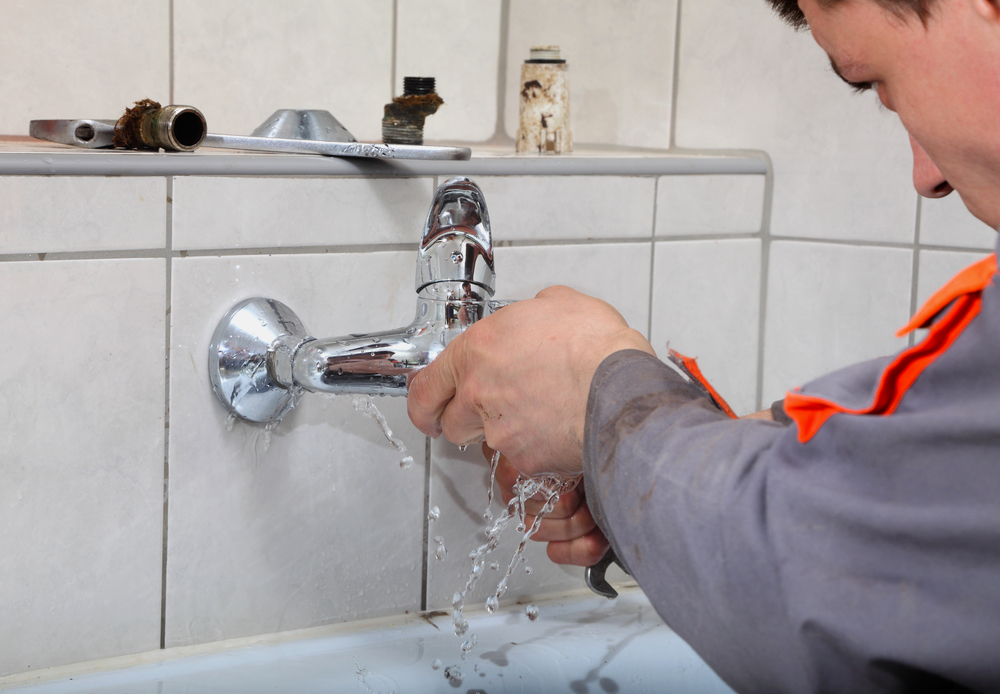
Huntington Beach homes rely on plumbing every day, but valves and fixtures are often overlooked until something leaks, sticks, drips, backs up, or stops working. A fixture evaluation gives homeowners a clearer picture of how sinks, toilets, faucets, shutoff valves, showers, hose bibs, water heaters, and connected lines are performing before small issues create water damage or daily inconvenience.
Coastal Orange County homes can face mineral buildup, aging pipes, slab-foundation concerns, remodel history, and high-use rooms. A loose handle or slow drip may be only one part of a larger plumbing pattern. Careful evaluation supports safer repairs and dependable long-term use.
 Valves Protect The Home During Plumbing Problems
Valves matter because they control water when a fixture fails, a supply line leaks, or a repair is needed. If a shutoff valve is corroded, frozen, poorly placed, or difficult to turn, a simple leak can spread before water is controlled. This is especially important in kitchens, bathrooms, laundry areas, garages, exterior hose connections, and water-heater spaces.
A valve review may include:
- Checking angle stops below sinks, toilets, and appliances for leaks or stiffness
- Confirming main shutoff access and whether the valve operates properly
- Inspecting hose bibs, laundry valves, and water-heater valves for wear
- Looking for corrosion, mineral buildup, moisture, or staining around connections
- Noting older parts that may fail during future fixture or appliance work
A working valve can limit damage when a leak starts. A failing valve can repair harder, especially if water has to be shut off farther from the problem. Professional evaluation helps identify which valves are reliable and which ones may need replacement before an emergency exposes the weakness.
Fixtures Reveal Pressure, Wear, And Hidden Leaks
Fixtures are the visible part of a plumbing system, but their behavior can point to deeper concerns. A faucet that sputters, a toilet that runs, a shower with uneven flow, or a sink that drains slowly may indicate pressure issues, worn parts, buildup, venting concerns, or drain-line problems. A proper fixture evaluation looks at performance, not only appearance.
Important signs include:
- Dripping faucets, running toilets, loose handles, or unstable fixtures
- Low pressure, sudden pressure changes, or uneven hot and cold flow
- Slow drains, gurgling, odors, or recurring clogs near sinks or tubs
- Stains, warped cabinet floors, bubbling paint, or moisture near walls
- Fixtures that were added during remodels without a full system review
Backflow prevention may also be relevant where plumbing safety, irrigation, or commercial systems are involved. Understanding what happens during a backflow inspection shows why plumbing evaluation is not just about convenience. It can also involve safe water flow, code-aware checks, and protection against unwanted reverse flow.
Water Heaters And Connected Fixtures Should Be Reviewed Together
Water heaters affect showers, sinks, tubs, dishwashing, laundry, and daily comfort. When fixtures show inconsistent hot water, delayed heating, rusty water, or pressure changes, the water heater and related valves should be considered. Treating the fixture alone may miss the source if the heater, supply line, pressure, or shutoff valve is part of the problem.
A complete review may consider:
- Hot-water delivery at showers, tubs, sinks, and laundry connections
- Water-heater age, temperature performance, noise, leaks, or visible corrosion
- Pressure-relief valve condition and nearby moisture or staining
- Tankless water-heater performance when multiple fixtures run
- Whether water softeners, filters, or treatment systems affect the flow
Water-heater issues can develop gradually. Homeowners may adjust to longer wait times, inconsistent temperatures, or reduced flow without realizing the system needs service. A guide to water-heater warning signs helps explain why fixture behavior should be reviewed alongside the heater itself.
Professional Evaluation Helps Prevent Bigger Repairs
Valve and fixture concerns can seem minor until water reaches cabinets, flooring, drywall, or rooms below. A small leak under a sink can damage wood. A toilet seal issue can affect the flooring. A failing hose bib can send water into exterior walls. A neglected water line problem can lead to restoration needs if it spreads.
Professional evaluation gives homeowners a structured way to prioritize repairs. A plumber can separate cosmetic issues from active leaks, identify whether drain cleaning or hydro jetting may be needed, and determine when video camera inspection of pipes could clarify recurring drain or sewer concerns. The same visit may also reveal water-line repair needs, slab-leak concerns, gas-line repair issues, water-treatment considerations, or fixture installations that should be handled before they become disruptive.
For Huntington Beach homes, this careful approach is valuable because plumbing systems may include older materials, remodel changes, coastal wear, and high-use fixtures. Guessing from the visible symptom can lead to repeated repairs. A professional review connects valves, fixtures, drains, water heaters, and supply lines, so the next step is based on evidence.
Keep Everyday Plumbing Ready
Valve and fixture problems are easier to manage when they are evaluated before leaks, pressure issues, or water damage spread. For professional fixture evaluation, residential plumbing, commercial plumbing, drain cleaning, hydro jetting, sewer service, slab leak detection, water heater service, water line repair, gas line repair, water treatment, and water damage restoration, contact Tweedy Plumbing and Restoration.