

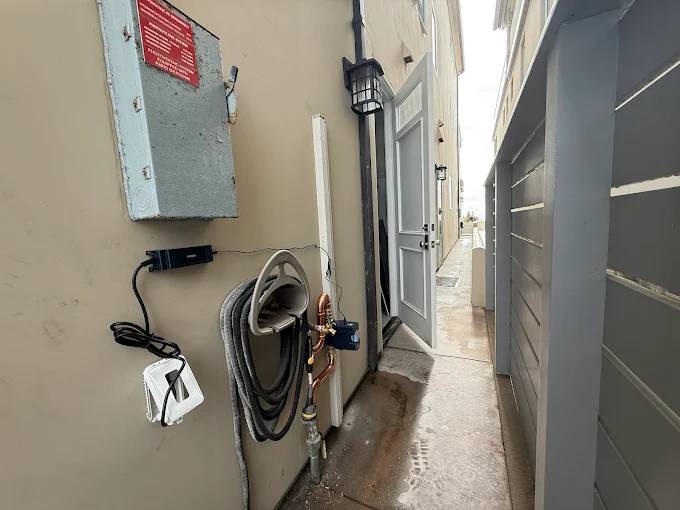
Coastal homes face plumbing conditions that inland properties may not experience as strongly. Salt air, ocean moisture, humid mornings, shifting temperatures, and sandy conditions can affect pipes, fixtures, drains, water heaters, filters, sewer lines, and exposed plumbing parts. These conditions may develop slowly, but the results can show up as corrosion, weak water pressure, frequent clogs, leaks, mineral buildup, or water quality concerns.
Home plumbing in coastal communities needs careful attention because small changes can become expensive when ignored. A faucet with corrosion, a filter that clogs too quickly, a slow drain, or a small leak may point to a larger system issue. Professional evaluation helps separate normal wear from climate-related stress, especially near the beach, older neighborhoods, or properties with repeated plumbing repairs.
 Salt Air Can Accelerate Corrosion
Salt carried by coastal air settles on exposed metal surfaces. Over time, that moisture and salt can speed up corrosion on fixtures, pipe connections, valves, water heater components, outdoor plumbing, and metal fittings. Even when pipes are not directly exposed to ocean spray, humid air can keep surfaces damp longer.
- Outdoor hose bibs can corrode faster when exposed to salty air.
- Water heater parts may show rust when ventilation or moisture is poor.
- Faucet finishes, and fixture bases can develop pitting or staining.
- Pipe fittings in garages, crawl spaces, and utility areas may weaken over time.
Corrosion is not only cosmetic. It can affect function, create leaks, and shorten the life of plumbing components. Inspection helps identify whether a worn part can be repaired or whether replacement is the safer long-term choice.
Coastal Conditions Make DIY Fixes Riskier
A coastal plumbing problem may look simple at first. A leaking valve, clogged drain, or corroded fixture can seem like an isolated issue. However, salt air and moisture can affect nearby parts, hidden connections, and older materials at the same time. Repairing only the visible symptom may not address the underlying system stress.
This is why professional plumbing is especially valuable in coastal homes. A trained plumber can evaluate pressure, pipe condition, material compatibility, hidden leaks, drain performance, and water damage risk before recommending the right repair.
Professional assessment also matters for drain cleaning, pipe repair, gas line work, leak detection, water heater service, restoration, and plumbing inspections. Coastal climate can influence several systems at once.
Moisture Can Hide Leaks And Water Damage
Coastal air can make homes feel damp even when no active plumbing problem is obvious. That can make small leaks harder to notice. A slow drip behind a cabinet, a slab leak, a water heater issue, or a pipe connection under stress may blend into the general moisture of the home until staining, odor, soft materials, or mold concerns appear.
- Cabinet bases may show swelling before the leak becomes obvious.
- Wall stains can point to hidden pipe or fixture problems.
- Musty odors may follow moisture trapped behind surfaces.
- Slow leaks can raise utility costs while damaging nearby materials.
Leak detection is important because water damage can spread beyond the original plumbing issue. Early diagnosis helps protect cabinets, flooring, drywall, framing, and indoor air quality. In coastal homes, evaluation can prevent a small leak from becoming a larger restoration concern.
Water Quality Can Affect Filters And Flow
Coastal homes may experience water quality concerns that affect filters, fixtures, and flow. Sediment, minerals, aging pipes, or pressure changes can cause filters to clog faster than expected. When a filter needs frequent replacement, the issue may involve more than the filter itself.
A guide to filter clogs helps explain why water flow, sediment, pressure, and system condition should be reviewed together. Frequent clogging may point to buildup in the line, old pipes, water treatment needs, or a filter that is not matched to the property.
Professional plumbing diagnosis can help determine whether the solution involves water softeners and filters, water line repairs, water treatment systems, repiping, or fixture service. That makes the response more precise than replacing parts without understanding the cause.
Long-Term Care Protects Coastal Plumbing
The best way to manage coastal plumbing stress is to treat it as an ongoing maintenance concern, not a one-time repair. Salt air, humidity, and moisture exposure work gradually. Regular inspection and timely repairs help protect the system before corrosion, clogs, leaks, or water damage become severe.
- Schedule plumbing inspections when corrosion, pressure changes, or stains appear.
- Review water heaters, drains, fixtures, valves, and exposed connections regularly.
- Use professional leak detection when moisture signs repeat or spread.
- Consider water treatment or repiping when filter, pressure, or pipe issues continue.
Coastal homes depend on plumbing that can handle daily use and environmental stress. Drain cleaning, pipe repair, leak detection, water heater service, gas line repair, sewer service, fixture installation, restoration, and plumbing maintenance all benefit from careful diagnosis. When the system is reviewed as a whole, homeowners can make better repair decisions.
Keep Coastal Plumbing Working With Confidence
For home plumbing concerns shaped by salt air, moisture, corrosion, clogs, leaks, filters, and long-term system performance, contact Tweedy Plumbing and Restoration for professional support tailored to coastal homes and Orange County plumbing needs.