

A leak on one floor can affect several units below it. A clogged drain line can disrupt multiple bathrooms, kitchens, or suites at once. A failed water heater, damaged pipe, backed-up sewer line, or gas concern can create urgency because access, shutoff points, and water-damage control become more complicated in a vertical structure.
Emergency plumbing in these buildings requires fast diagnosis and an organized response. The goal is not only to stop the visible problem but also to understand how water, waste, pressure, and building systems move through stacked floors. Professional service matters because high-rise plumbing can involve shared risers, main lines, pressure zones, drain stacks, and hidden wall cavities. A small delay can turn a contained issue into a building-wide disruption.
 Why High-Rise Plumbing Emergencies Spread Quickly
Plumbing problems behave differently in taller buildings because gravity, shared lines, and stacked fixtures can move damage beyond the original unit. A leak behind a wall may drip through ceilings below. A drain blockage may cause backups in lower floors. Pressure changes can affect fixtures far from the first complaint.
High-risk emergency issues include:
- Leaks. Water can travel through walls, ceilings, electrical areas, and finished surfaces before the source is found.
- Backups. Shared drain lines can push wastewater into multiple fixtures if a blockage develops.
- Pressure. Too much or too little pressure can strain pipes, valves, and fixtures across several floors.
- Water heaters. Failed equipment can interrupt hot water for residents, offices, or shared facilities.
- Gas lines. Suspected leaks require immediate professional attention and careful safety procedures.
In a high-rise, time matters because water rarely stays where it starts. Quick professional response helps isolate the problem, protect nearby spaces, and reduce the risk of long-term repairs.
Drain Problems Need Faster Attention In Shared Buildings
Drain systems in high-rise buildings serve many users. Grease, soap residue, hair, wipes, food scraps, scale, and debris can collect inside vertical and horizontal lines over time. When flow slows, the problem may involve a shared branch line, main stack, or deeper restriction.
A resource on clean drains explains why consistent drain care can reduce serious blockages. In high-rise buildings, drain maintenance helps protect neighboring units and common areas.
Warning signs that need attention include:
- Gurgling. Air movement in drains may suggest a developing restriction.
- Odors. Sewer smells can point to drainage or venting concerns.
- Slow flow. Multiple slow fixtures may indicate more than a single local clog.
- Backups. Water returning through tubs, sinks, or floor drains requires urgent service.
- Repetition. Recurring clogs may reveal deeper pipe buildup or line damage.
Professional drain cleaning, hydro jetting, camera inspection, and plumbing diagnosis can help identify whether the problem is isolated or connected to the building’s larger system. This level of evaluation is essential when several occupants rely on the same lines.
Emergency Response Must Include Water-Damage Control
Emergency plumbing in a high-rise is closely tied to water-damage prevention. Once water escapes, it can move through drywall, flooring, utility chases, cabinets, and insulation. The original plumbing repair may be only one part of the response. Drying, cleanup, documentation, and restoration planning may also be necessary.
A strong response usually begins with locating the source, shutting off the affected line when possible, and evaluating nearby spaces. Leak detection is valuable when water appears in one location but originates from another unit or pipe path. Commercial plumbing experience also matters because managers may need clear communication, service notes, and repair documentation.
Common follow-up needs include:
- Detection. The true source must be found before repairs can be trusted.
- Containment. Water should be stopped from spreading into more rooms or floors.
- Drying. Moisture behind walls or under flooring must be addressed early.
- Repair. Pipes, valves, drains, fixtures, or water heaters may need professional correction.
- Documentation. Reports and photos help clarify what happened and what was repaired.
Fast action protects both building systems and resident confidence.
Seasonal Inspections Reduce Emergency Risk
High-rise plumbing risks can increase during seasonal changes. Cold weather can stress pipes, valves, water heaters, and exposed plumbing areas. Heavy use during holidays, tenant turnover, or occupancy changes can also reveal weaknesses. Preventive inspection helps catch wear before it becomes an emergency.
A guide on winter inspections shows why seasonal checks are valuable for identifying leaks, pressure issues, water-heater concerns, and vulnerable plumbing components. In tall buildings, inspections may include mechanical rooms, shutoff valves, drain lines, fixtures, sewer lines, gas lines, and past leak areas.
The best long-term plan combines maintenance with readiness. Property managers should know where shutoffs are, which units or floors connect to shared lines, and who to call when urgent problems appear. Professional plumbers can help create a clearer repair path before water damage, sewage backups, or service interruptions affect more people.
Protect Every Floor With Faster Plumbing Support
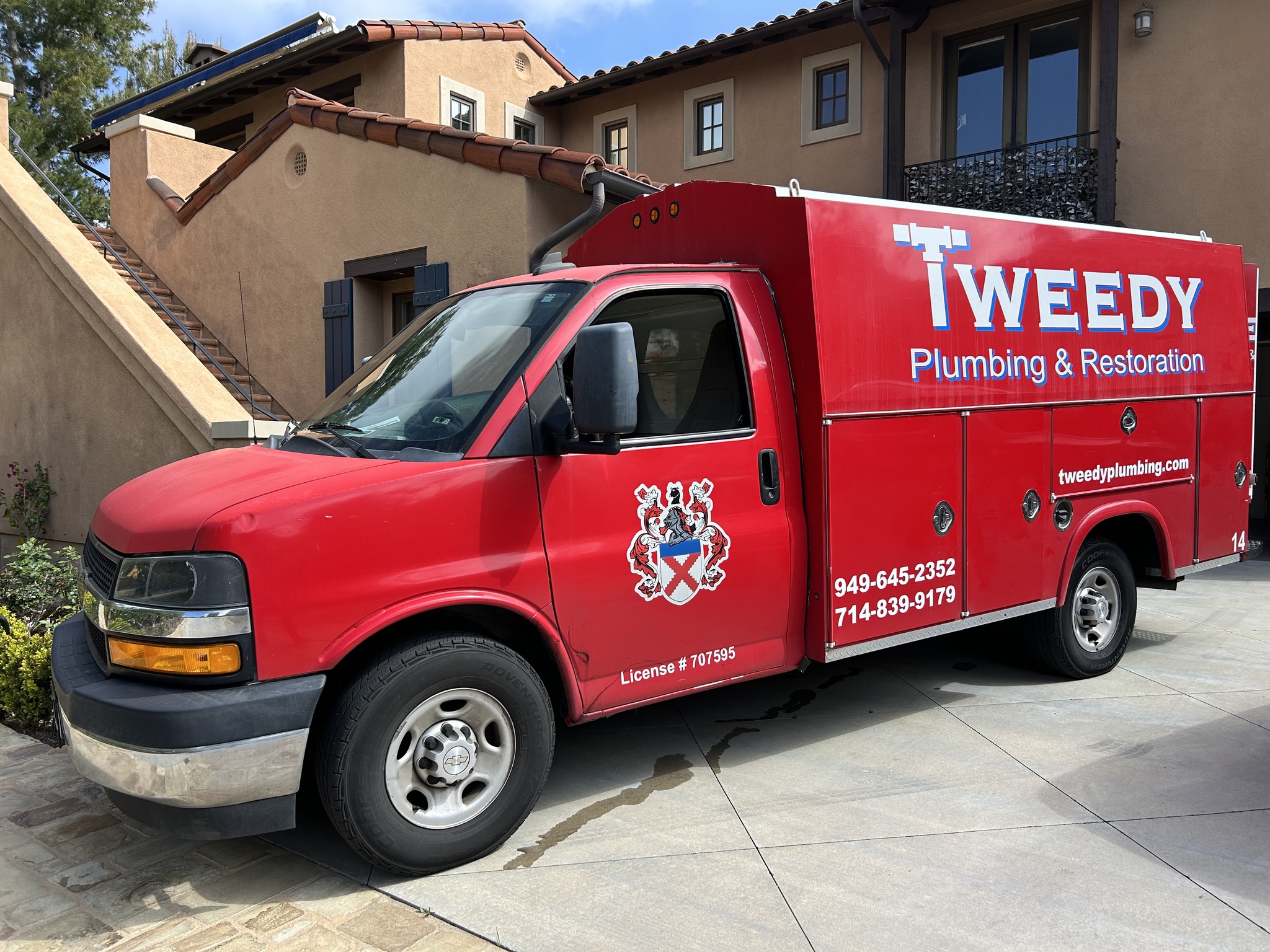
High-rise plumbing emergencies require skilled diagnosis, quick containment, and repair work that considers the entire building, not just one fixture. Professional help can reduce water damage, restore function, and protect tenants from avoidable disruption. For dependable emergency plumbing, leak detection, drain cleaning, and restoration support, contact Tweedy Plumbing and Restoration.